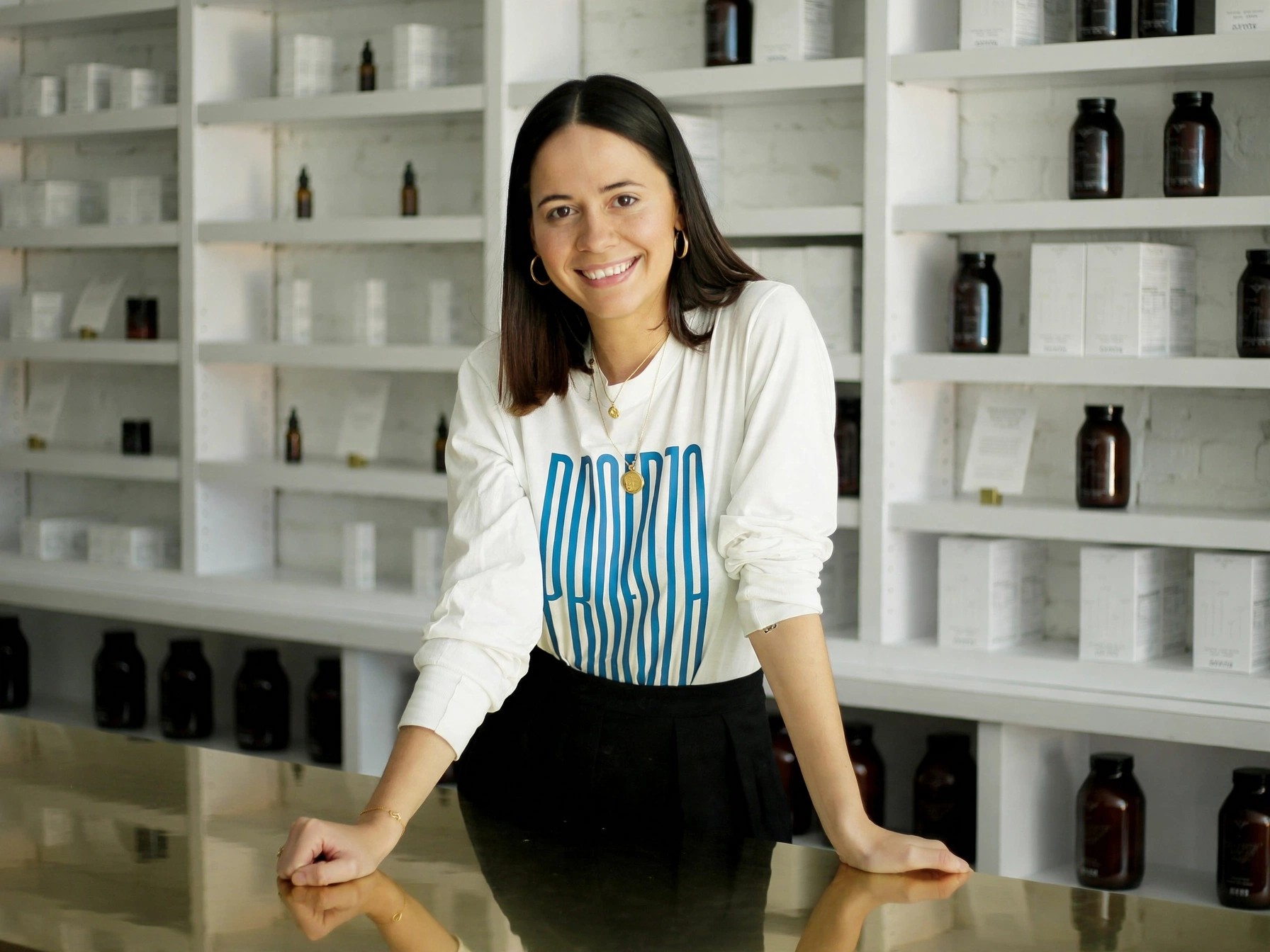
Toronto made Carly Stein a careful patient, Florence made her a curious one, and a small apiary in Canada made her a founder. Her company now traces propolis, honey, pollen and royal jelly from remote hives through testing to the shelf, and she can name each step along the way.
Toronto is where this starts, in a childhood shaped by severe recurring tonsillitis and an allergy to most antibiotics. For Carly Stein, pharmacies and waiting rooms were familiar ground long before business plans or farmers markets. That early history still sits behind the label.
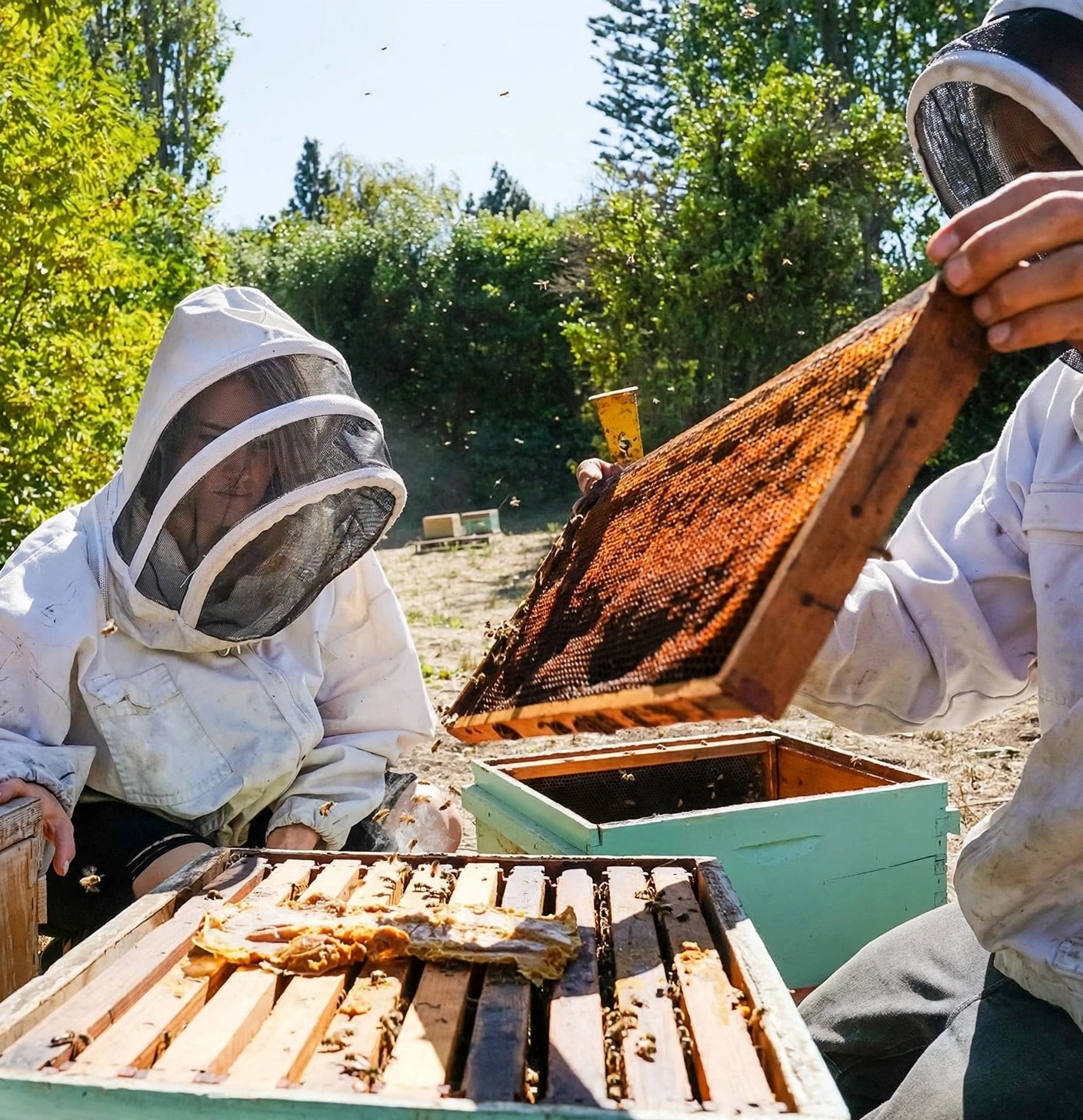
The second place is Florence. While studying abroad there, Stein developed another severe case of tonsillitis and walked into a local pharmacy, where the pharmacist pointed her to propolis. After a few days of taking it, as she tells it, her tonsillitis cleared. She returned to the University of Victoria in Canada, sought an apprenticeship with a local beekeeper, and began formulating early propolis liquids in the chemistry lab in her spare time.
The third place is New York City, where Beekeeper’s Naturals is now headquartered, with products in Whole Foods, CVS and Target and a team that includes doctors, nutritionists and health experts. What we noticed, and what this magazine follows, is the chain between those points. Bee inputs come from remote apiaries, formulas are third party tested for pesticides and heavy metals, and the brand states it never overharvests. That is the claim we trace here.
You grew up in Toronto and spent a lot of your childhood under the weather, with severe recurring tonsillitis and allergy to most antibiotics. How did that early experience shape the way you read labels now?
I grew up in Toronto and spent a lot of my childhood under the weather. When you have severe recurring tonsillitis and you are allergic to most antibiotics, you learn to read everything. You learn the names on the other ingredients line because you have to.
I ended up becoming really disillusioned as a consumer because I would spend all this time and money that I did not have on these fancy celebrity products that made a lot of bold claims and just did not deliver on results. That stayed with me. Right from the start, I was adamant about not using the alcohol, refined sugars, preservatives, or gross fillers found in most remedies.
For me a label is a record. It should show what is in the bottle and what was left out on purpose. Parents shopping for kids feel this too. They want a short panel they can understand, and they want to know why each line is there.
In Florence, while studying abroad, you walked into a pharmacy with tonsillitis and were introduced to propolis, and after a few days of taking propolis your tonsillitis cleared up. What exactly did you take home from that pharmacy encounter?
After a few days of taking propolis, my tonsillitis cleared up. That is the plain fact of it, and it changed the questions I was asking. I became obsessed with hive ingredients. I wanted to know what propolis was, where it came from, and why a pharmacist in Florence kept it on the shelf.
Propolis is the glue like mixture bees make from saliva, beeswax and botanical exudate such as sap. Bees use it to line and seal the hive. I had never heard of it in Toronto. In Italy it was simply part of the pharmacy set.
I brought that curiosity back to the University of Victoria in Canada. I sought an apprenticeship with a local beekeeper. I began formulating my first propolis products in the chemistry lab during my spare time and sharing them with my friends and family. That sharing was the first test. Friends told me what it tasted like, whether the spray burned, whether they reached for it again.
Back in Canada you apprenticed with a beekeeper and formulated in a chemistry lab in spare time while working toward a career that led to the trading floor at Goldman Sachs. What did the hive teach you that finance did not?
The hive taught me pace and restraint. You cannot hurry a colony. You watch the entrance, you learn the season, you take a little and you leave enough. I was trying to identify the points in time where I was the happiest. And I kept coming back to building products and working with the bees.
Finance taught me structure and numbers. Eventually, I quit my job on the trading floor at Goldman Sachs to dedicate myself full-time to Beekeeper’s Naturals. Against the advice of my friends and colleagues, I made the decision to leave my stable job and leap into this crazy bee wellness company idea full-time. It was the best decision I ever made.
In 2017 I traded corporate work for beekeeping and selling at the farmer’s market. The small stand later grew into distribution in Whole Foods, CVS and Target. That step still matters to me because a farmers market is direct. People ask where the honey came from that morning.
Your standard is stated as clean without compromise, with no alcohol, refined sugars, preservatives or fillers in remedies. What does that rule allow in and what does it keep out of the throat spray?
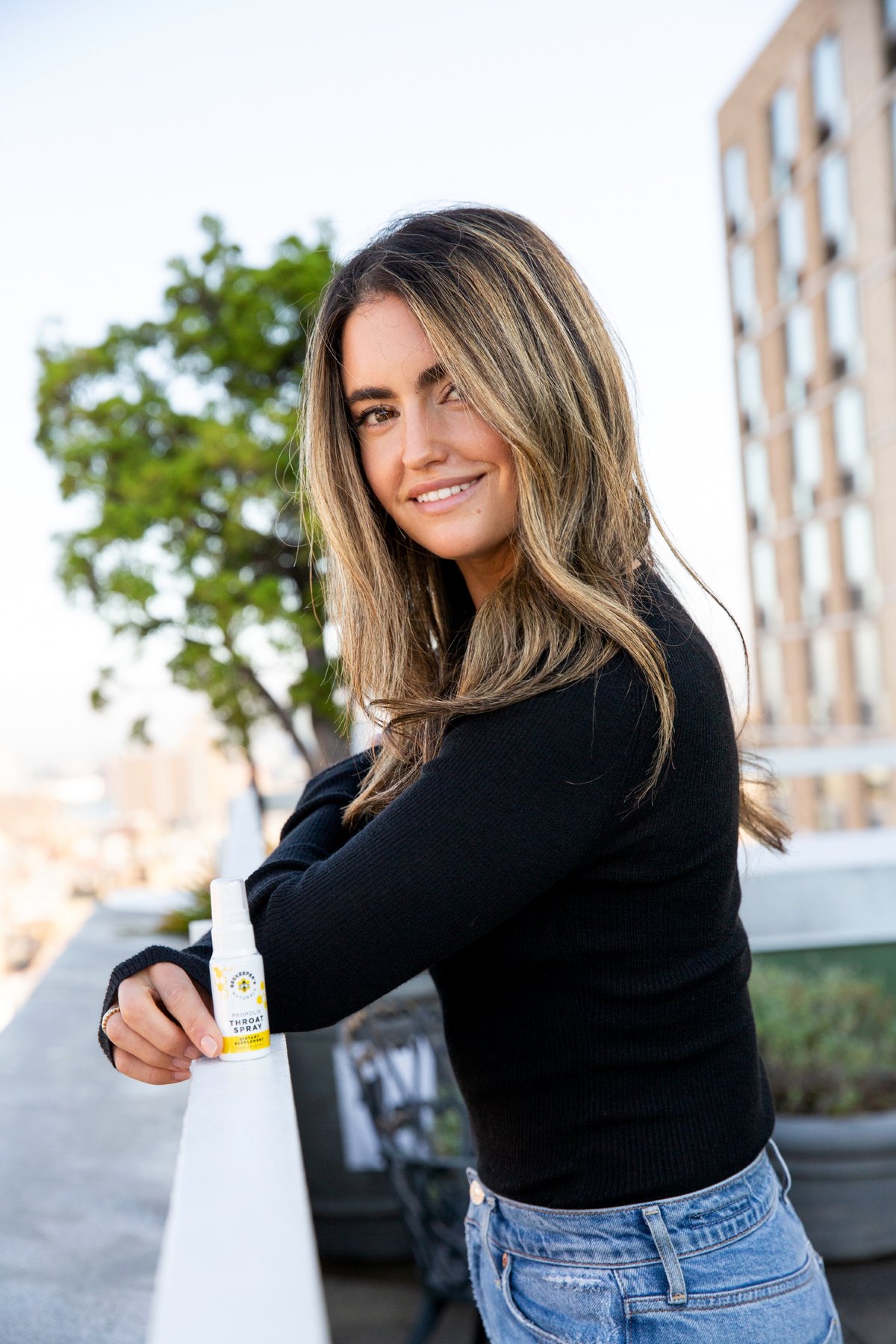
Right from the start, I was adamant about not using the alcohol, refined sugars, preservatives, or gross fillers found in most remedies. That rule shapes the throat spray directly. Our propolis spray uses bee propolis with vegetable glycerin and purified water in the base, rather than alcohol or refined sugar syrup.
I had a really poor immune system growing up, and it was only when I found propolis and started using it on a daily basis that my immune system transformed. That is why I say I do three to five sprays every single day. The habit had to be simple enough to keep, and gentle enough to repeat.
The label shows propolis and its parts, including polyphenols, flavonoids, vitamin C, iron and B vitamins. We develop formulas with doctors, nutritionists and health experts. Our phrases for this are Powered by Propolis and Medicine, made natural. By that we mean modern science applied to hive ingredients, without sugars, dyes and unnecessary chemicals.
You source from remote apiaries in Canada, Europe and South America and state that you never overharvest. How do you choose a yard, and what does never overharvest mean in practice?
Sustainability is a topic that is extremely close to my heart. We choose remote apiaries because distance from conventional fields lowers the chance of pesticide drift. Canada, Europe and South America each bring different forage and seasons, which also spreads risk for the bees.
Never overharvest means we take only the surplus and leave what the colony needs to seal the hive and carry through dearth and winter. Propolis is part of hive defense, so stripping it harms the bees. Our beekeepers collect a portion, then the yard rests. Bee health comes before yield.
I would rather use remote pesticide free apiaries and third party testing than rely on organic certification alone. Organic says something about land practice. Testing says something about the lot in hand. We need both the place story and the paperwork.
I would rather leave it in the hive than take what the bees need.
Carly Stein
Every capsule, traced back to the field is our measure. After harvest, what happens to propolis on its way to the spray bottle, and where is the chain still hard to show?
After harvest, propolis is cleaned, graded and extracted into a liquid that can be sprayed without alcohol. That extract is blended, checked, and filled. Each lot carries its own record, and finished formulas go to a third party lab for pesticides and heavy metals.
What is hard to show is the full middle in one page. Extraction ratio, solvent, fill weight, and lab limits sit in documents most shoppers never see. We can name growers and show paperwork lot by lot, and we are asked to make that easier to find.
I would rather merge modern science with natural medicine than sell products that do not work. For me traceability is part of that. Where exactly does this come from, and how do you know. If a step is still opaque, we say so and we work on the record until it is clear.
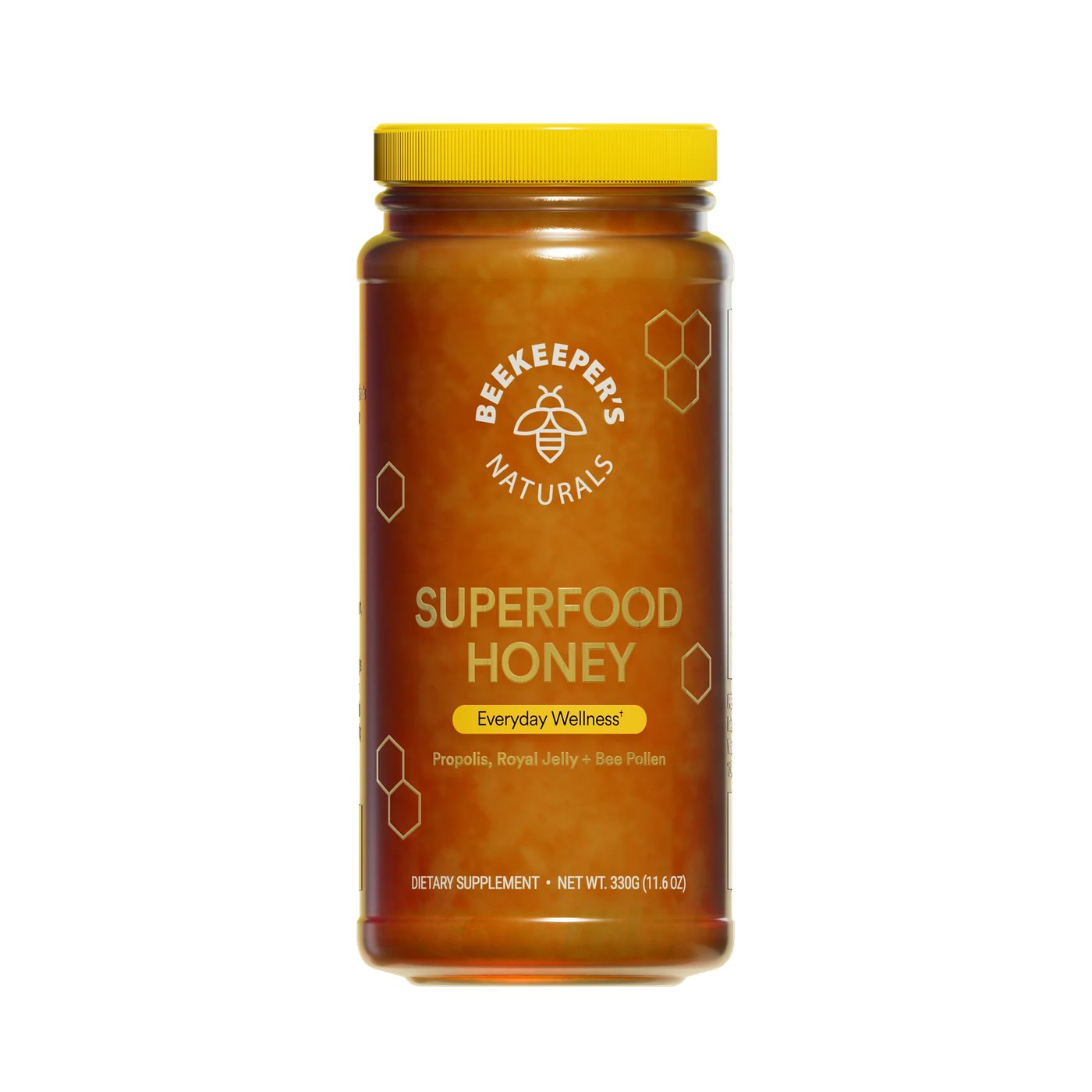
Superfood Honey combines raw honey with propolis, bee pollen and royal jelly in one 330 gram jar. Why put four hive ingredients together, and how should a buyer use it?
Superfood Honey is our signature jar because it shows the hive in one spoon. Raw honey is the base. Propolis, bee pollen and royal jelly are folded in. People ask how to use it, and the answer is simple. Use it like regular honey by the spoonful.
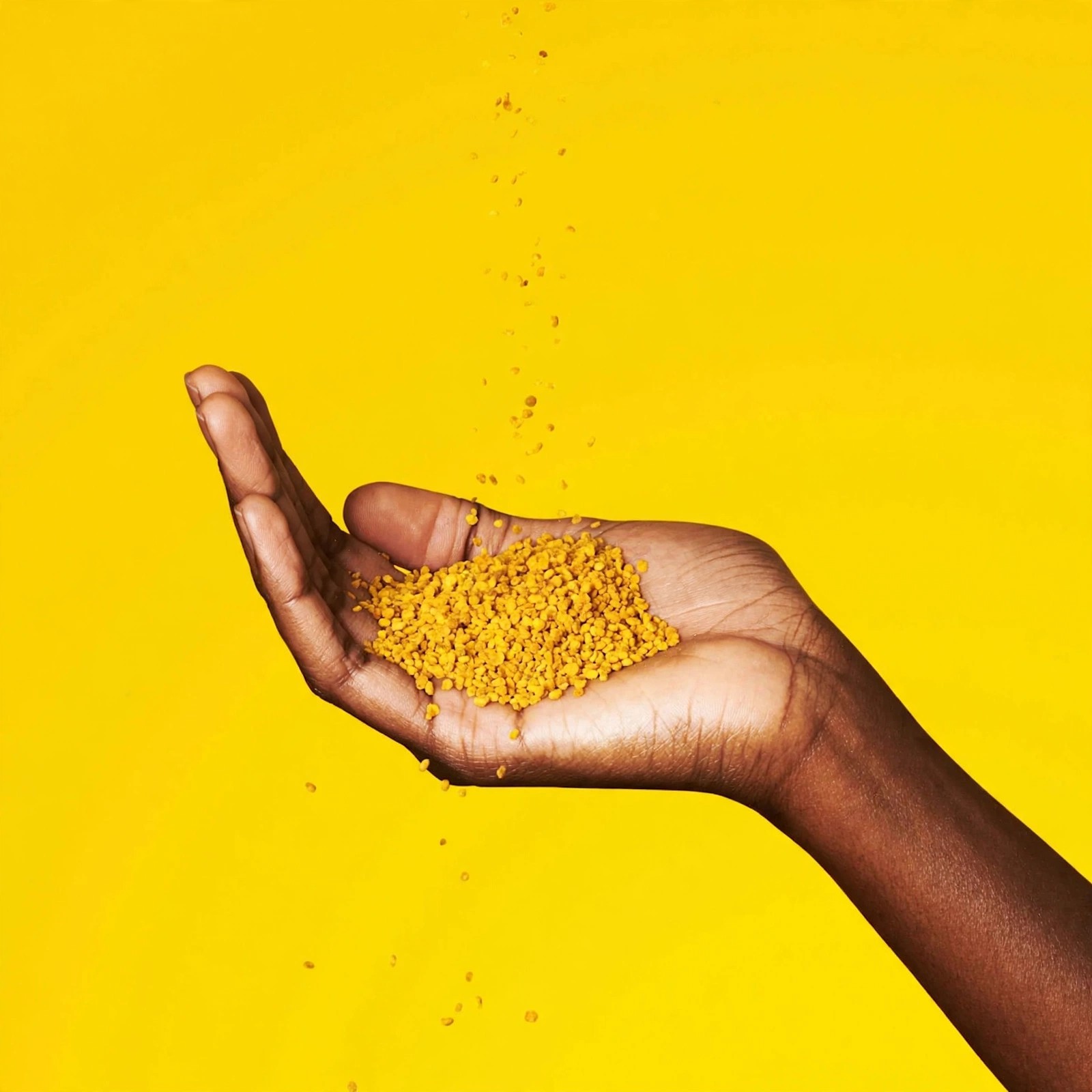
Royal jelly is food all young bees eat for a few days while the queen continues to live on it exclusively. Bee pollen is the pellet bees pack from flower pollen. Each one has its own harvest window and handling. Honey is extracted and jarred with minimal heat. Pollen is dried and cleaned. Royal jelly is collected in small amounts and kept cool.
The jar lists what the brand states and what the label shows. We do not promise outcomes. We show the ingredients, the net weight of 330 grams, and the way to take it. Parents like it because one jar replaces several steps on the shelf.
The nasal line extends the throat routine to the nose, with propolis, oregano oil, eucalyptus and xylitol in a non habit forming formula. What led you from throat to sinus, and how do the two steps fit?
Customers led us. They used the throat spray daily and asked what we had for the nose during seasonal shifts and travel. The answer became Nasal Spray Max, a non habit forming formula with propolis, oregano oil, eucalyptus and xylitol to cleanse nasal passages.
Throat first, then nose, was the order people already followed at home. Spray in mouth daily for immune defense, then spray in nose to cleanse. We kept the same rules. No alcohol, no refined sugars, no dyes, no unnecessary chemicals. The scent comes from the botanical oils, not added fragrance.
Formulas are developed with doctors, nutritionists and health experts who guide innovation, formulation, clinical research and customer education. That review matters for a nasal product because the nose is sensitive. Dose, spray pattern and clear directions carry more weight than marketing words.
In Canada, health claims on supplements can require an NPN Number that legally validates the claims being made. How does that rule shape what you print and what you leave to the customer story?
In Canada that number matters. Health claims on supplements can require an NPN Number that legally validates the claims being made. So we state what is validated and we keep the rest as use and routine.
The label shows identity, quantity and directions. It does not promise what the product will do for the reader. Customer relief stories sit outside the Supplement Facts panel for a reason. They describe one person, not a result.
That is why we repeat Save the Bees and A better way to feel better as aims, not guarantees. The paperwork proves origin and contents. Third party tests check pesticides and heavy metals. The NPN record, where it applies, sets what claim language is allowed. Everything else has to earn trust the slow way, lot by lot.
Closing note from the desk
What stays with us is how specific the chain is when Stein tells it. Toronto, Florence, Victoria, then remote yards in three regions. A dorm room share, a chemistry lab, a farmers market stand in 2017, then Whole Foods, CVS and Target. The places line up with the paperwork.
The brand set out to make hive formulas without alcohol, refined sugars, preservatives or fillers, tested by an outside lab, harvested without harming the colony. That is a plain aim, and it is testable on the label and in the lot record.
Product spotlight
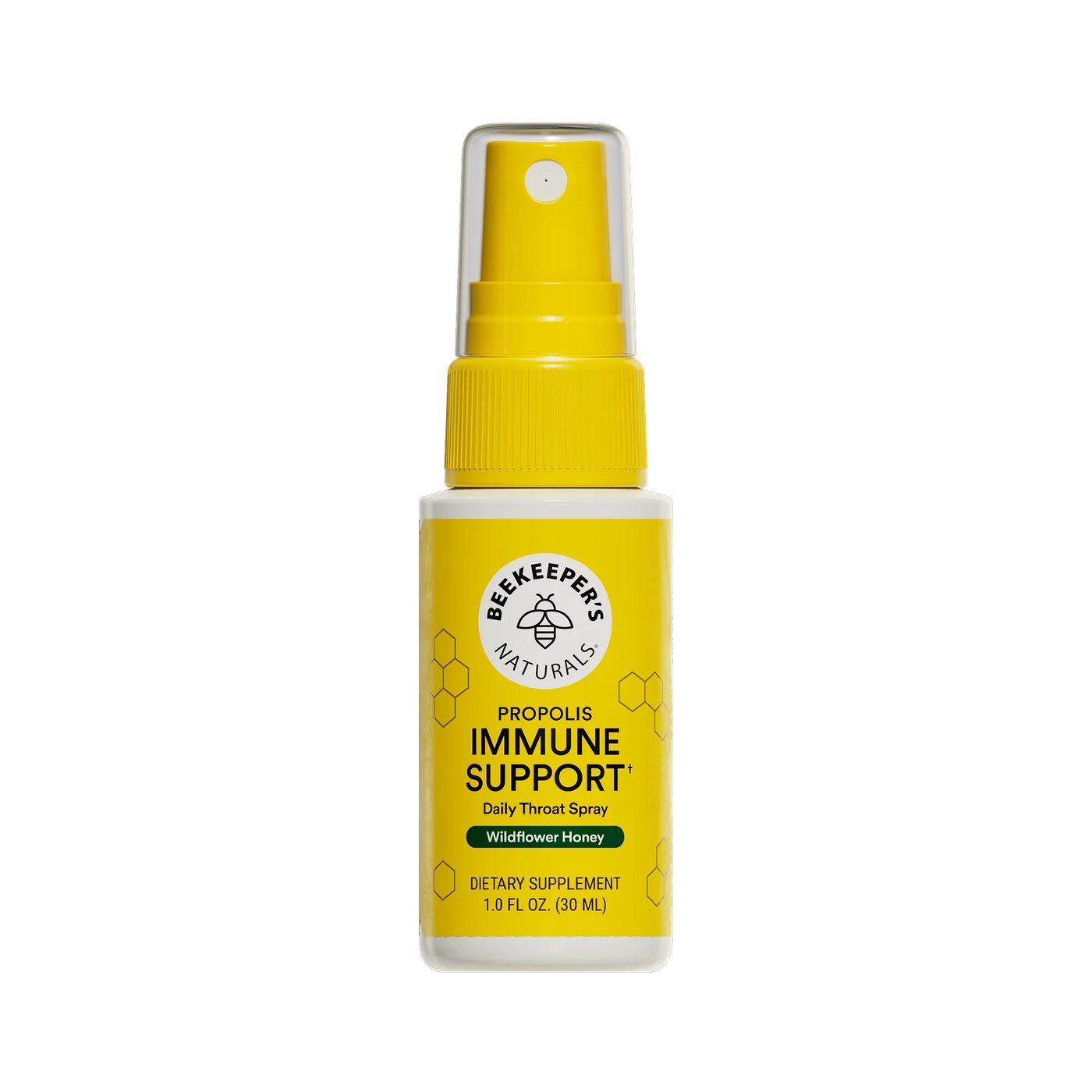
Propolis Immune Support Throat Spray, 13.99 dollars for a single spray. A propolis spray with polyphenols, flavonoids, vitamin C, iron and B vitamins in a glycerin base. Spray in the mouth daily for immune defense, three to five sprays as Stein uses it. Shake gently and keep the routine steady.
Superfood Honey, 39.99 dollars for 330 grams. Raw honey blended with propolis, bee pollen and royal jelly for use by the spoonful like regular honey. Stir before serving and store sealed at room temperature. One jar covers the four hive inputs in a single step.

Kristen Decker
Kristen produces the interviews at Seed to Capsule: the research, the supplier maps, the follow-up calls. She asks for the name of the farm early in every conversation, and writes it down before the founder can change the subject.
More from Kristen Decker →