Beam reports more than 18 million nights of sleep logged around one bedtime cocoa, a number that says as much about routine as it does about formula.
Eighteen million nights is the number Beam attaches to Dream, its bedtime cocoa, and it is where this conversation starts.
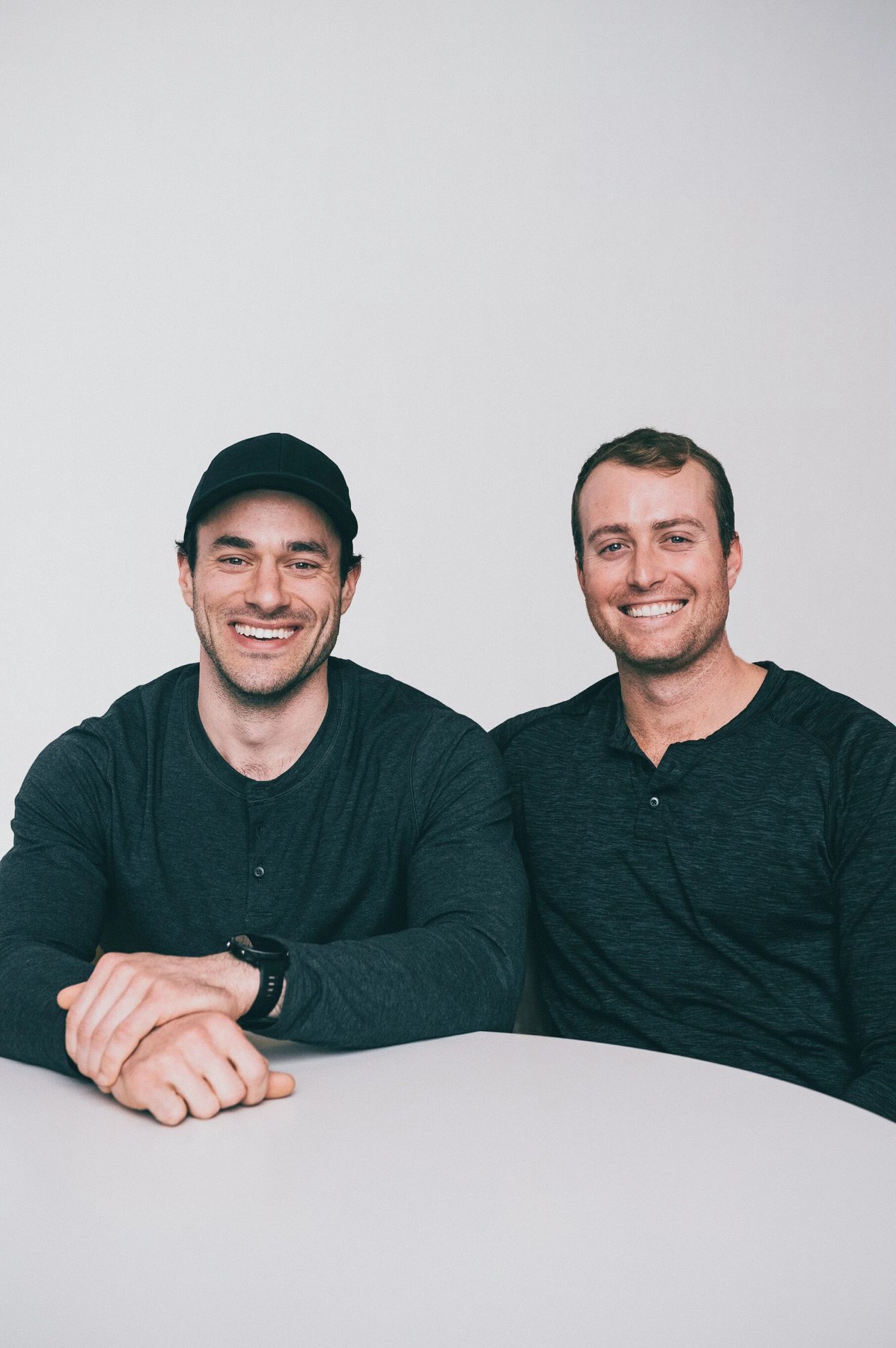
Matt Lombardi and Kevin Moran met at Boston College, where Lombardi played hockey and Moran played baseball. Lombardi later played in the New Jersey Devils and Pittsburgh Penguins organizations before leaving after a concussion, while Moran was drafted by the Chicago White Sox before injuries and surgeries ended his run. After sport they reconnected while training for the Boston Marathon and an IRONMAN, experimenting with CBD for old injuries, pain and anxiety.
What they found in the market frustrated them. Shelves held oils with trace THC and undisclosed additives, and labels that said little about origin or testing. They started Beam in Massachusetts as an answer, first with a tincture and a topical lotion sold from a folding table on Boston streets, in CrossFit gyms and in juice shops. The brief describes organically grown hemp from Colorado, THC free positioning, and a cannabis professional hired early for innovation.
What Beam is now is broader. The store centers on sleep, gut health, hormones and daily performance, with Dream as the best seller and Biotic as the daily gut pillar. What others miss is how deliberately the founders moved away from the CBD label, calling Beam a health and wellness company instead, and how much of the work since has been about powders, flavors, lots and repeat buyers rather than novelty.
You started with a tincture and a lotion sold from a folding table on Boston streets, in CrossFit gyms and juice shops, after training together for an IRONMAN and trying CBD for old injuries. What did those early sales teach you about what people would actually read on a label.
Matt: Kevin and I met at Boston College, where I played hockey and he played baseball. After getting a bad concussion, I left behind professional hockey to pursue a career in tech. Kevin went through his own injuries in baseball. Later we started training together for an IRONMAN and began experimenting with CBD to help manage our preexisting injuries.
We wanted something that met our personal wellness standards, but the road to finding a product that was all natural and transparent about ingredients was frustrating. When we decided to start Beam, we were far from CBD experts, but believed we could offer a product to the market that was better for you than many that were currently available. On those streets and in those gyms, people asked simple questions. Where is this from. What is in it. Does it have THC. Having the right partners from day one has been instrumental for the Beam success, because we needed real answers, not slogans.
Kevin: As an athlete, you learn to approach everything in life by giving it your all, and you learn how to navigate the success or failure that comes as a result. You start taking action and, half the time, it is wrong, but you pay attention to the results you are getting. That table taught us to listen and to write labels people could check.
Your early promise named organically grown hemp in Colorado, processed to be THC free and pharmaceutical grade, at a time you called the market unregulated with trace THC, metals and pesticides. How did you set up sourcing and testing to back those words.
Matt: We both learned that nothing in life worth pursuing comes easy. If you want to be the best or build a great business, you have to be willing to put in the effort daily. For us that meant starting with the grower, not the marketing. Organically grown hemp in Colorado was our starting point because we could name the state, visit the system, and ask for paperwork on cultivation.
We refused THC and dangerous additives from the start, and we refused binders, dyes, excipients and unknown substances. Every incoming lot had to arrive with a certificate of analysis, then go through third party lab checks for identity, potency and contaminants such as heavy metals and pesticides. Fill weight and encapsulation were checked against the label so the milligrams matched the panel.
Kevin: I went to Boston College to play baseball where I met Matt Lombardi, my now business partner on Beam. That trust carried into supplier choice. We would rather be transparent about ingredients than hide behind proprietary blends, and we would rather educate customers than push quick acquisition. If a lot did not meet spec, it did not ship.
By 2022 you were telling interviewers, however, we are really not a CBD company, we consider ourselves a health and wellness company. What changed in the supply chain when Dream and powders became the center instead of oils.
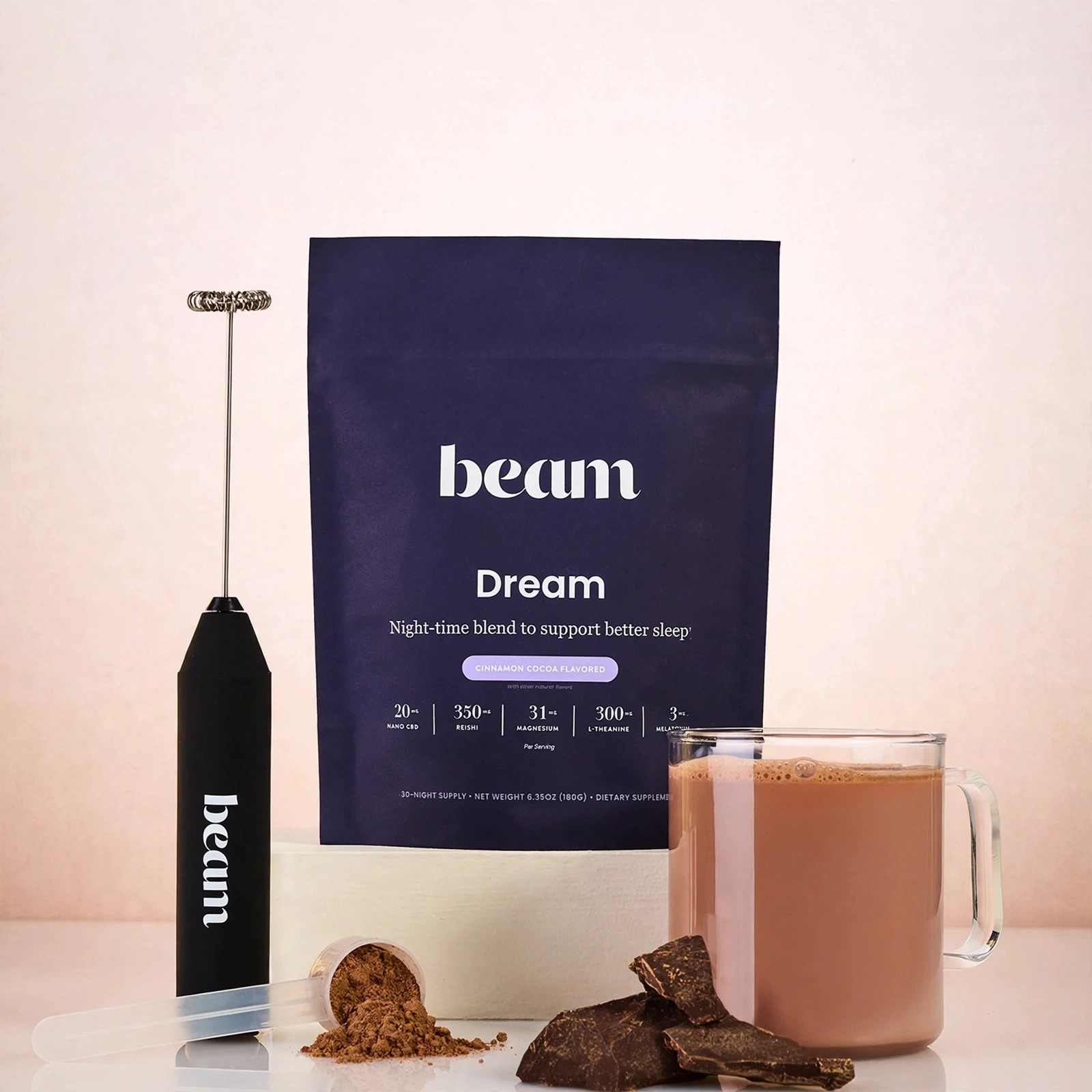
Kevin: Training taught us that sleep and daily routine matter more than any single ingredient. Dream changed our chain completely. Instead of one hemp extract and a carrier oil, we were managing cocoa, five sleep supporting ingredients, flavors like Cinnamon Cocoa and Brownie Batter, sweeteners and powders that behave differently in heat and humidity.
Powders mean blending, particle size, moisture control and serving uniformity. A 20 serving jar has to scoop the same on day one and day twenty. That requires validated blending, in process checks, and finished product testing by lot. The farm still matters, but so does the blending suite and the packing line.
Matt: It is all about perspective in athletics and business. In our experience, the winners are the ones that take a negative and turn it into a positive. The CBD supply taught us documentation. The cocoa supply taught us flavor stability and routine. We want to give people the tools to reach their best possible selves, whether an athlete, student, school bus driver, elderly relative and everyone in between, and that meant building a chain that could make a nightly drink, not only an oil.
Dream is now sold as Original Cinnamon Cocoa in 20 servings for 49.99 dollars and 30 servings for 64.99 dollars, plus Pumpkin Spice and Brownie Batter, and described as made with 5 powerful sleep ingredients. Walk us from field to jar for that cocoa, and say where the paper trail is strongest and where it is still thin.
Matt: Start with cocoa. The pods grow on farms, the beans are fermented, dried and roasted, then ground and pressed. That flavor base arrives to us with origin papers and a specification for moisture and microbiology. The five sleep supporting ingredients arrive separately, each with its own certificate of analysis and identity test. Blending brings them together in a validated mixer, then we check uniformity before the powder goes to the jar line.
Strongest is the finished lot file. Potency for key markers, microbiology, heavy metals and label match are recorded by batch, and the lot code on the jar points back to those sheets. We can name what is inside and show the tests that support the Supplement Facts panel. Thinnest is full farm mapping for every minor flavor component across seasons. Cocoa lots change with harvest, and flavor houses blend to hold taste steady. We hold specs and tests, but we do not yet publish every grower name for every sub ingredient. That is the next step to show it.
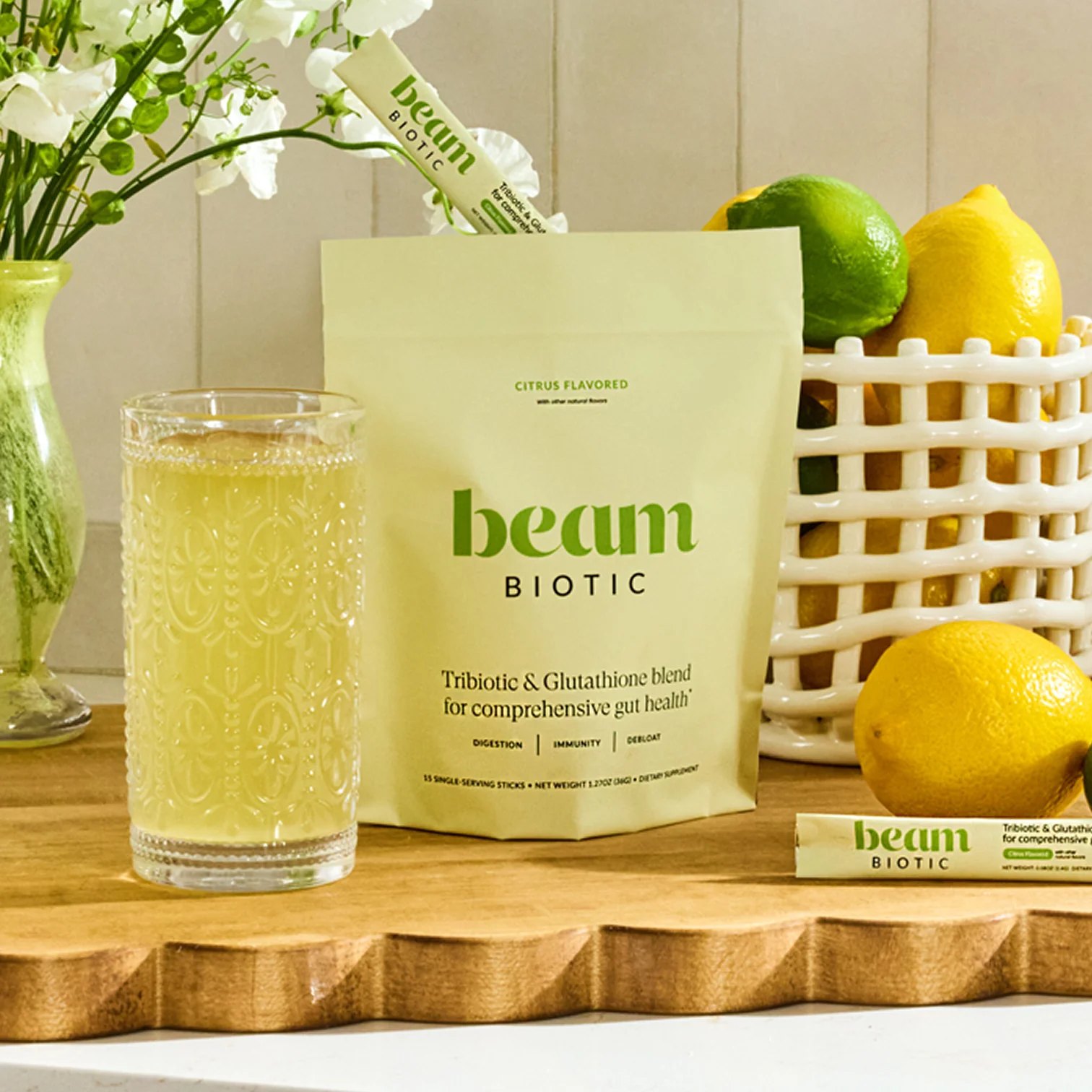
Biotic is listed at 64.99 dollars as a gut health superblend with prebiotics, probiotics, postbiotics and glutathione in flavors like Crisp Apple. Probiotics are living organisms, which makes sourcing and stability exacting. How do you handle strain, count and survival to the end of shelf life.
Kevin: Biotic is the hardest chain we run. Prebiotics are fibers that arrive as dry powders with clear specs. Probiotics are different. Each strain has an identity, a deposit record and a count measured in colony forming units. The label shows counts at time of manufacture or through expiry depending on the panel, and our job is to make sure the count holds through blending, packing and storage.
We require strain level identification from the culture supplier, plus certificates for potency and contaminants. The blend is kept dry, packed to limit moisture, and stored within temperature limits. Postbiotics are inactivated ferments, so they are more stable, and glutathione arrives as a tested raw with its own assay. Finished lots are checked so the Supplement Facts panel reflects what was blended and what stability data support.
Matt: We would rather listen to repeat customers than chase trends. Gut powders get judged on mixing, taste and tolerance over weeks, so batch to batch steadiness matters more than a new flavor. That steadiness comes from the same growers, the same strains and the same tests, lot after lot.
We would rather be transparent about ingredients than hide behind proprietary blends.
Matt Lombardi and Kevin Moran
Your list of refuses is specific, no THC, no binders, no dyes, no excipients, no unknown substances, no opaque ingredient lists. In practice, how do you decide what counts as necessary versus extra in a flavored powder.
Matt: Everything you need, nothing you do not is the filter. If an ingredient does not support taste, stability or the intended use stated on the label, it does not go in. Flavors and sweeteners are the debate. A bedtime cocoa has to taste calm and familiar or no one keeps the routine, so we allow flavor components that are disclosed by name and tested, and we refuse dyes and unknown blends that hide what they are.
Kevin: The Other Ingredients line is where trust is won. We read it the way our buyers do. Each excipient has to earn its place for flow, mixing or moisture control, with a spec and a test. If we can hold fill weight, uniformity and shelf life without it, we leave it out. That is what we mean when we say start your own wellness revolution and operate at your actual best. The revolution is ordinary. A short label you can trace.
Beam now spans sleep, gut health, hormones, performance and kids nutrition, co created in one case with Shawn Johnson, and you speak of better sleep and all day wellness. How do you keep provenance work intact as the catalog grows and harvests shift year to year.
Kevin: Growth adds farms, fermentation tanks and flavor lots, so we anchor on systems. Approved growers, approved culture banks, approved flavor houses. Each has a specification, a change notice duty and a test plan. When a harvest shifts, the lot still has to meet the same identity and contaminant limits or it is rejected.
Matt: We both learned that nothing worth pursuing comes easy, and provenance is daily work. We keep formulas stable, qualify second sources before we need them, and keep the lot file as the source of truth. The customer keeps a small shelf for years. Our job is to make the jar from last year match the jar this year, with papers to show it.
Looking back to Boston College and those first street sales, what would it take for you to publish the full chain for Dream and Biotic, grower names, extract ratios, lab sheets, so a careful household buyer could check it themselves.
Matt: We are close on finished lot sheets and stronger on grower naming for primary ingredients. Full publication needs consistent grower disclosure from every sub supplier and permission to share their audits, plus a place on site where lot codes pull the matching certificate. That is building now.
Kevin: As an athlete, you learn to approach everything by giving it your all. For us that means naming what is traceable today, naming what is not yet, and doing the paperwork to close the gap. If a parent buying for a household types in a lot code and sees the farm, the extract ratio where relevant, the standardisation where claimed, and the third party lab results for that batch, then the label has done its job.
Closing note from the desk
What stays with us is the founders ease with being checked. Lombardi and Moran speak like former athletes who learned to keep logs, accept a bad rep, and repeat the set correctly. They name refuses plainly and describe lots, blends and tests without reaching for poetry.
Beam set out to make products people could use nightly and daily, with labels that state origin, content and limits. On the evidence in the brief, the finished lot file is the strongest link, farm naming for minors the weakest, and the plan to make lot codes pullable is the honest next step.
Product spotlight
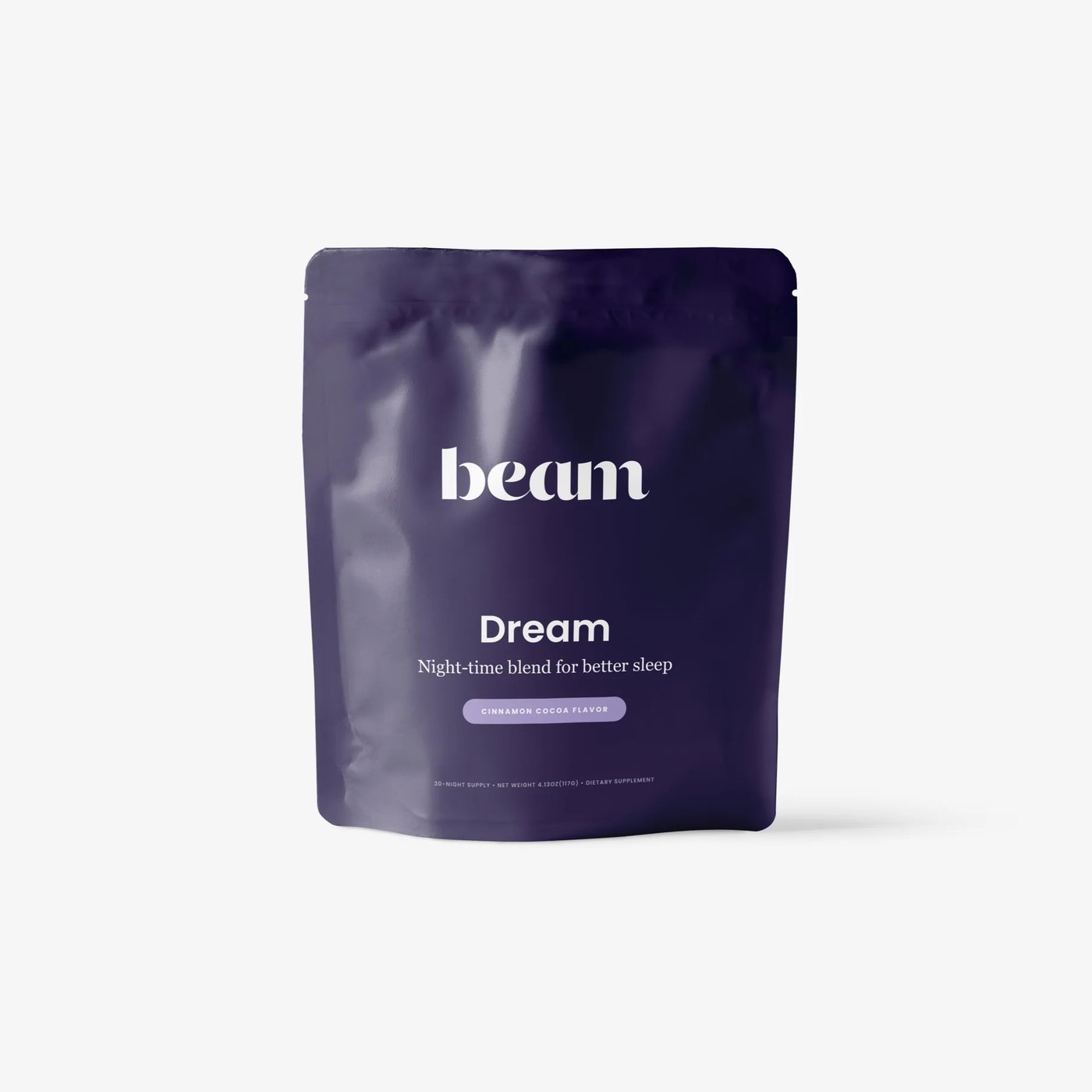
Dream is the bedtime cocoa that anchors the brand. It is listed at 49.99 dollars for Original Cinnamon Cocoa in 20 servings, with a 30 serving jar at 64.99 dollars, plus Pumpkin Spice and Brownie Batter at 20 servings. Mix the powder with hot water or warm milk as a nighttime drink, following the label serving.
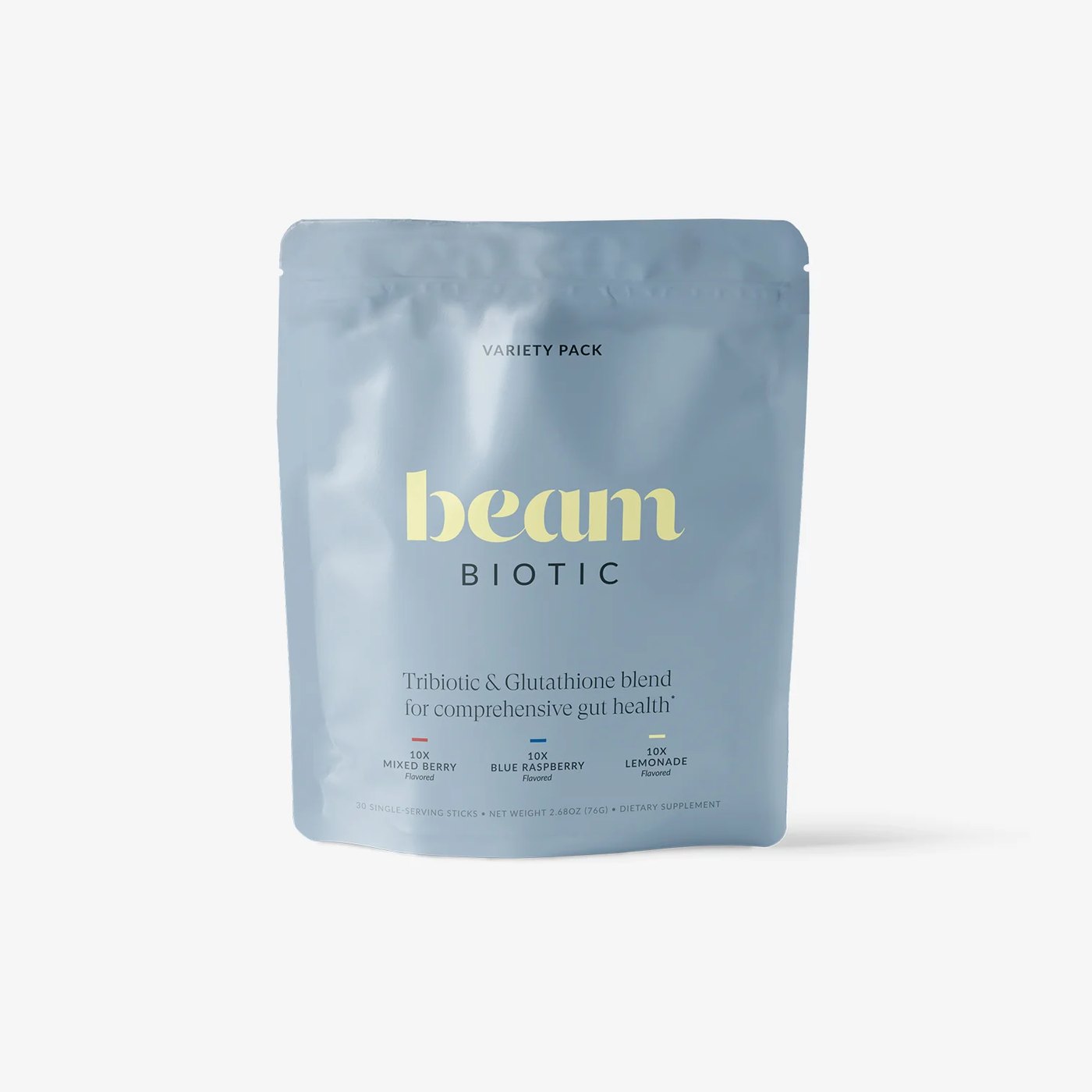
Biotic is the daily gut blend for the morning shelf. It is listed at 64.99 dollars, sold in Crisp Apple and in Duo Packs pairing flavors such as Crisp Apple with Mixed Berry. It combines prebiotics, probiotics, postbiotics and glutathione in a powder to be mixed with water daily, following the label serving.

Dana Kessler
Dana runs the news desk and the sourcing guides at Seed to Capsule. She files every certificate of analysis a brand sends her by lot number, and keeps a second list of the ones that never arrived.
More from Dana Kessler →