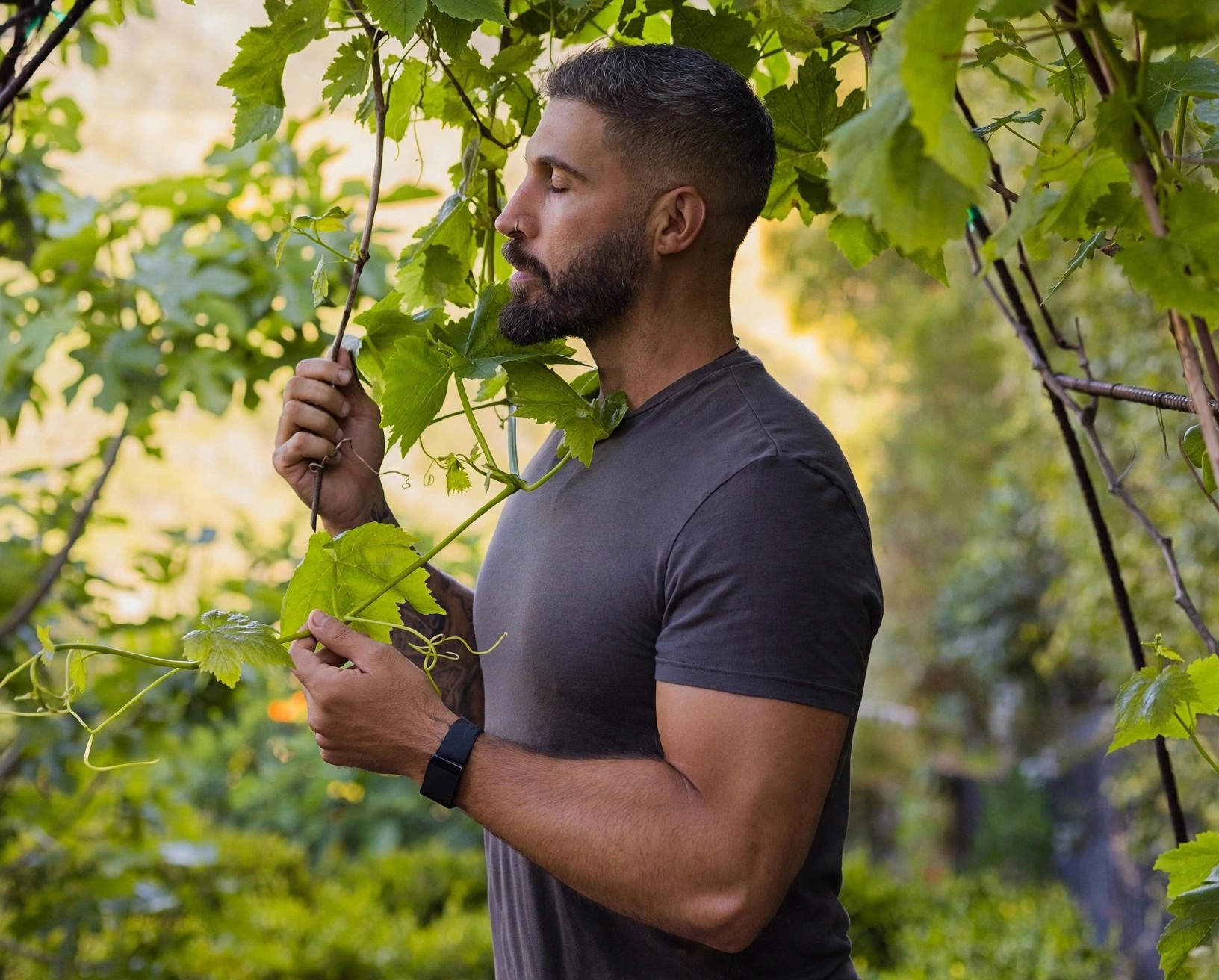
Every capsule, traced back to the field. For Cymbiotika co-founder Chervin Jafarieh, that tracing starts with growers, continues through liposomal processing and lab testing, and ends in a label he says holds no hidden ingredients.
In 2014 to 2015, after about ten years in environmental private equity in the Bay Area and Palo Alto, Chervin Jafarieh decided to focus his energy for the people and address gaps in the supplement industry.
He describes himself as in health since day one. A Waldorf child trained in environmental health and biodynamic farming, mentored by his cousin David Wolf on raw food nutrition, later trained in Ayurveda and traditional Chinese herbal medicine, with time in the jungles of Peru learning from elders. Then four or five years in the trenches with his father through colon cancer. That sequence, school and soil and sickness, sits behind the company he built with childhood friend Shahab.
Cymbiotika is now one of the fastest growing brands in the space, bootstrapped with no outside investors, built around liposomal delivery and a stated promise of clean and effective supplements backed by science. What Seed to Capsule noticed, and what others often skip, is how much of that promise rests on sourcing language. Sourced directly from farmers and suppliers, pharmaceutical grade ingredients, zero fillers. The question is what paperwork and process sit behind those words, from harvest lot to certificate of analysis to fill weight.
Your Waldorf schooling trained you in environmental health and biodynamic farming, and you later trained in Ayurveda and traditional Chinese herbal medicine after time in Peru. How did that early training shape the way you now judge a raw material before it ever becomes a powder or an oil.
I have been in the field of health since day one. I went to Waldorf school, so I was trained in environmental health, and that gave me a way of seeing soil and plants and people as one system. Later I was mentored by my cousin David Wolf on raw food nutrition, then I trained in Ayurveda and traditional Chinese herbal medicine, and I lived in the jungles of Peru and other ecosystems and learned from elders about the body on a physical and metaphysical level.
That history is why I would rather go directly to the source than cut corners on sourcing. I want to know who grew it, where it was harvested, how it was dried, how it was extracted. Wellness starts with trust, and trust starts in the field. If I cannot trace it back, I do not want it in our formulas. I would rather start over from scratch than release a weak formula.
About 2014 to 2015 you left environmental private equity to fill gaps you saw in supplements, after years beside your father through colon cancer. What gap bothered you enough to start a company with Shahab rather than join an existing one.
I spent about ten years in environmental private equity in the Bay Area and Palo Alto. I spent four or five years in the trenches with my father through colon cancer. Those years changed what I was willing to accept. When I looked at the supplement industry, I felt it was not transparent, and I felt it was a race to the bottom.
Labels were confusing. Ingredients were hidden. Margins drove decisions. I decided to focus my energy for the people. I reconnected with my childhood friend Shahab and we birthed the company together. We bootstrap this organization together as a team. We do not have outside investors. That choice lets us stay transparent and refuse the shortcuts that I saw everywhere else.

You say you source directly from farmers and suppliers and use pharmaceutical grade ingredients with zero fillers. For a careful buyer reading the Supplement Facts panel, what does sourced with intention mean in practice, from harvest lot to the ingredient that arrives at your door.
Sourced with intention means we name the grower, we visit the source where we can, and we ask for the lot history. Where was it grown, when was it harvested, how was it dried, what solvent or process turned it into a powder or an oil, what is the extract ratio, is it standardised to a marker compound.
Then that material has to meet a specification before we accept it. Identity, purity, strength. We ask for a certificate of analysis from the supplier, and we use third party lab testing to verify. For me that includes screening where relevant for heavy metals and microbes, and checking that fill weight matches what the label states. If a lot does not meet spec, we do not use it. I would rather delay a batch than pass a weak lot through.
Cymbiotika centers on liposomal delivery to protect nutrients through digestion for absorption. Walk us through that step in plain terms. What is a liposome in your process, and where does that step happen in the chain.
A liposome is a tiny nutrient carrier made from the same material as cell membranes. Think of it as a small protective layer around the nutrient that helps protect it through digestion. That is what we mean when we say trust meets absorption.
In our chain, the farm and the extraction come first. That gives us a powder or an oil with a known identity and test result. Then that ingredient is built into a liposomal system before encapsulation or pouch fill. We state that our products are made in the USA, and we hold the finished batch until testing is complete. The label then has to show what is inside, including the other ingredients line. No hidden ingredients. No confusing labels.
You repeat that you bootstrap with no outside investors to stay transparent. What has that independence cost you on the supply side, in minimums, lead times or saying no to a lot.
We do not have outside investors. We bootstrap this organization together as a team. That means every sourcing decision comes back to us. If a grower sets a high minimum, if an extraction takes longer, if a lab result comes back out of spec, we carry that.
It has cost us time and margin. We have walked away from material that did not meet our paper. We have reworked formulas rather than accept a substitute we could not verify. Five to six years later it became one of the fastest growing brands in the space, but growth did not change the rule. No cutting corners on sourcing. If we cannot show it, we do not claim it.
I would rather start over from scratch than release a weak formula.
Chervin Jafarieh
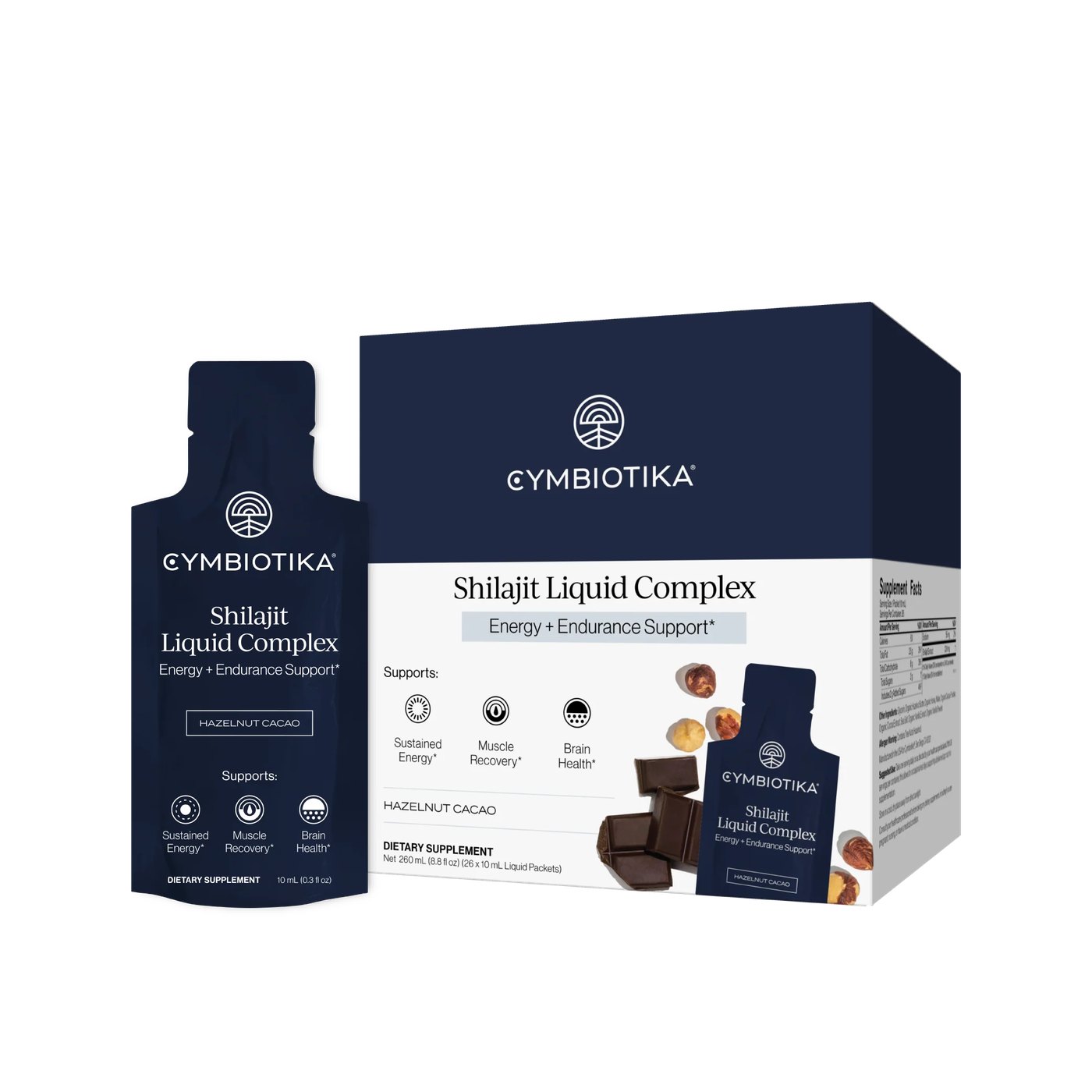
Your site lists Shilajit Liquid Complex at 66 dollars and names memory, mental clarity and focus and sustained energy as benefits, while you describe taking it as shilajit tea in your morning. Trace that one ingredient for us. Where does shilajit begin, and what turns it into the liquid in the bottle.
Shilajit begins as a resinous exudate collected in mountain regions, then it is cleaned, filtered and concentrated into a form that can be tested and dosed. We ask for identity and purity data on the starting resin, including heavy metal screening, because minerals from rock sources need careful checking. Only a tested lot moves forward.
Then it is built into our liquid complex and filled. I take it as shilajit tea in the morning. My risings are not a routine. They are a ritual. I drink it before I go vertical. I stand on the earth and look toward the horizon as the sun comes up. For the buyer, the label states the benefits as the brand states them, and the Supplement Facts panel shows what is in the serving. What matters to me is that the liquid in hand traces back to a tested starting lot.
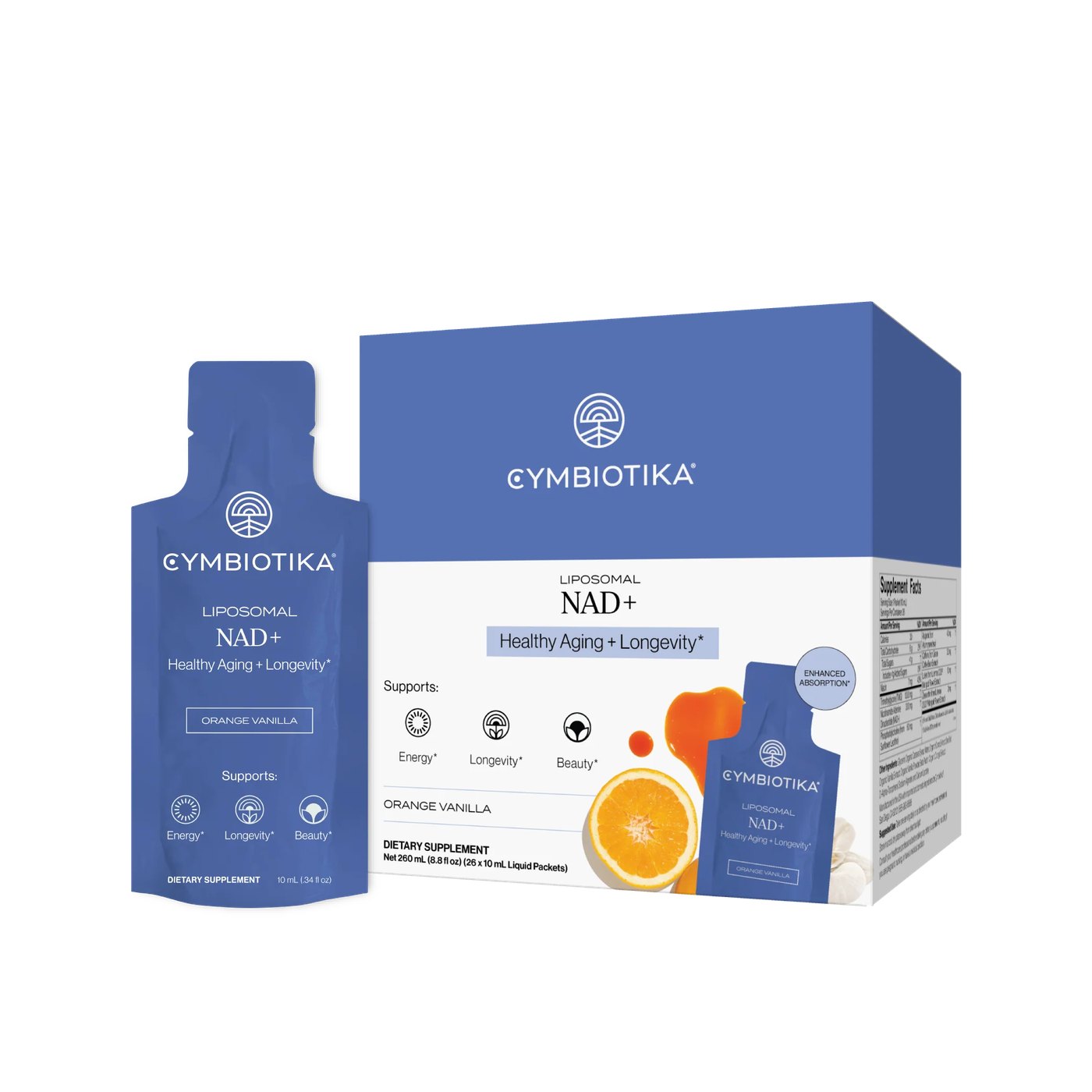
Liposomal Beauty Peptide Complex at 74 dollars is listed as a best seller for skin hydration and elasticity and the appearance of fine lines and wrinkles, and Liposomal NAD plus at 77 dollars is listed for cellular energy production and healthy aging and even skin tone. How do you decide the dose and the delivery form for nutrients like these, and what does the label prove versus what it leaves out.
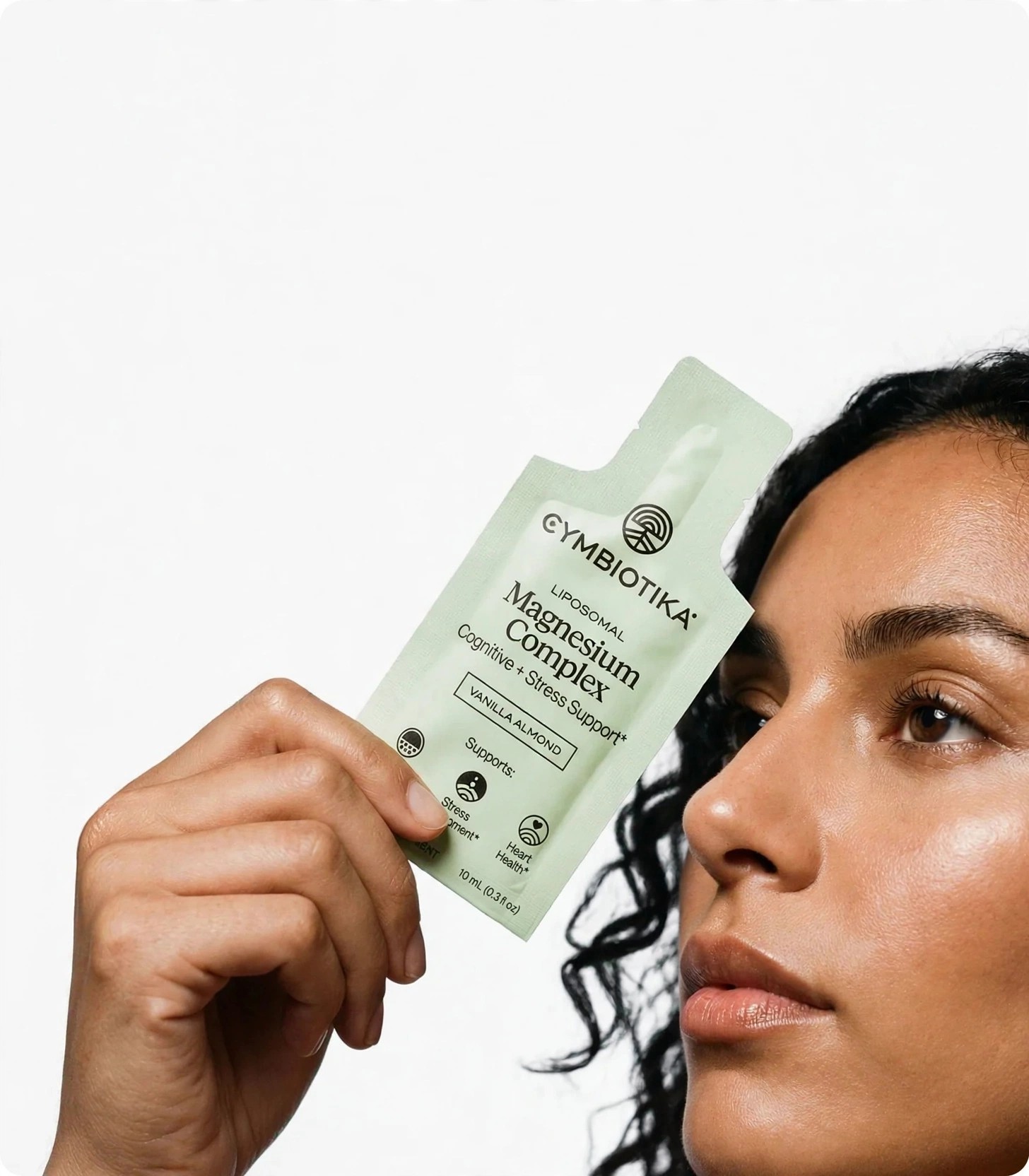
We start with the ingredient and its evidence base, then we decide whether a liposomal form fits. For peptides and for NAD plus, protection through digestion is the reason for the carrier. Dose is set from supplier data, finished testing and stability, not from taste or trend.
The label proves the serving size, the amount per serving, the other ingredients, and the lot and expiry that tie back to our records. What the label leaves out is the rest of the file. The grower name, the harvest lot, the extraction method, the certificate of analysis, the third party lab sheet. That is why we say wellness starts with trust. The front of a pouch can use short words. The back has to carry the facts. A buyer who reads both panels will see exactly what we claim and what we do not.
Your rising ritual is specific. No alarm, natural waking, spring water before standing, sunlight and grounding, movement before thinking your way into clarity. You write, I do not let a device rip me out of sleep, and I want my body to wake when it is ready. How does that ritual connect to the way you run sourcing and testing.
My risings are not a routine. They are a ritual. I do not let a device rip me out of sleep. I want my body to wake when it is ready, not when my phone decides it is time. I drink it before I go vertical. I stand on the earth and look toward the horizon as the sun comes up. A lot of people try to think their way into clarity.
I run the company the same way. Slow enough to check. I believe all disease begins in the mind, which is why clarity matters before decisions. In sourcing that means patience. Wait for the lab. Read the sheet. Ask the grower one more question. Movement gives me clarity in the morning. Paperwork gives me clarity in manufacturing. Both ask for presence before action.
There are steps every brand finds hard to show, a farm that will not share lot photos, a brokered ingredient with thin history, a test that is done in house rather than by a third party lab. Where is your chain still opaque, and what would it take to show it.
We are strong where we buy direct and test by lot. We are less complete where an ingredient passes through a broker or where a grower cannot share harvest photos or field records. Some botanicals change hands twice before extraction, and the first step can be thin on paper.
What it would take is what we already ask for elsewhere. Named grower, harvest date and place, drying record, extraction record, supplier certificate tied to that lot, plus our own third party verification. Until we have it, we say so. We do not use the words pure or natural alone. We say what we tested, where it was made, and what the label shows. Transparency is not a claim. It is a file you can open.
Closing note from the desk
What stays after this conversation is a founder who reads a supplement backwards. Field first, then extraction, then carrier, then capsule, then claim. The biography explains the order. Waldorf schooling, biodynamic farming, Ayurveda and herbal training, years with his father, then a decision in 2014 to 2015 to build with Shahab without outside money.
Cymbiotika set out to make supplements that state plainly what is inside and show the tests behind short words. Some steps are fully traceable by lot. Others still pass through hands that keep thin records. The brand credits the first group and names the second, and asks to be judged on the file, not the front of the pouch.
Product spotlight
Shilajit Liquid Complex, 66 dollars, is a liquid mineral complex built from filtered mountain resin. The label lists support for memory, mental clarity and focus and sustained energy throughout the day as stated benefits. Take as directed on pack, which the founder describes as morning shilajit tea taken before standing.
Liposomal NAD+, 77 dollars, is a liposomal nutrient formula that uses phospholipid carriers to help protect the nutrient through digestion. The label lists support for cellular energy production, healthy aging, and even skin tone and radiance as stated benefits. Take as directed on pack as part of a daily routine.

Kristen Decker
Kristen produces the interviews at Seed to Capsule: the research, the supplier maps, the follow-up calls. She asks for the name of the farm early in every conversation, and writes it down before the founder can change the subject.
More from Kristen Decker →