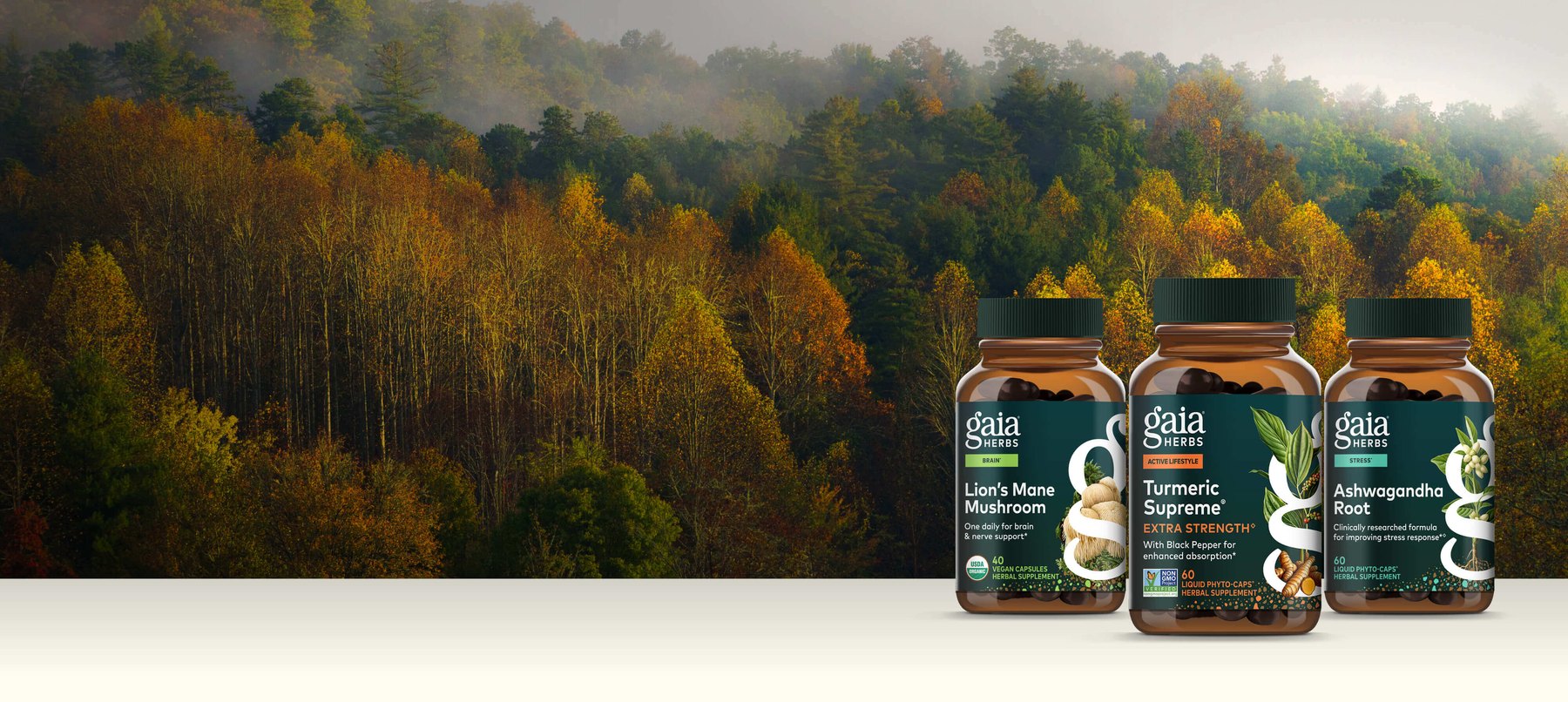
The shelf holds two bottles with near identical labels, and only one carries a seal. That small mark is the premise of the whole category, a promise that someone without a stake in the sale looked at the lot and checked the paperwork.
Morning light finds the stockroom counter covered with bottles pulled for a routine count, and the manager turns each one to read the Supplement Facts panel, the other ingredients line, the lot number printed near the base.
A seal catches attention because the federal rule behind supplements leaves room for it. Under the Dietary Supplement Health and Education Act of 1994, manufacturers and distributors of dietary supplements and dietary ingredients are prohibited from marketing products that are adulterated or misbranded. Firms are responsible for evaluating the safety and labeling of their products before marketing to ensure they meet the Federal Food, Drug, and Cosmetic Act and FDA regulations. The Food and Drug Administration has the authority to take action against any adulterated or misbranded dietary supplement product after it reaches the market. Dietary supplements are not approved by the Food and Drug Administration before they reach the market.
That sequence matters. The maker attests first, the agency acts after sale when a problem appears, and a shopper in the aisle has little way to check the middle. Third party certification means an independent organization with no ties to the manufacturing company has evaluated a dietary supplement and verified its quality and manufacturing process. Understand third party certification as confirmation that product content and label match rather than an evaluation for safety or effectiveness. Reading the seal therefore starts with restraint. It answers whether contents match the label under a stated method, not whether a formula suits every household.
What NSF contents checks cover
The only published standard for third party certification is NSF/ANSI 173-2021. NSF certifies products against NSF/ANSI 173, the only American National Standard that establishes requirements for the ingredients in dietary and nutritional supplements. The program has three main components: label claim review, toxicology review of intentionally added ingredients, and contaminant review. NSF Contents Certified involves testing and evaluation to ensure the product is free from contaminants, meets label claims, and follows good manufacturing practices.
In practice the work moves from paper to bench. NSF conducts product testing in its own accredited laboratories to confirm that actual contents match those printed on the label. Each year NSF conducts audits and periodically retests each dietary supplement to ensure continued compliance. Only laboratory testing can show actual ingredients or amounts, and each certifier has its own approach and list of substances tested. That sentence belongs taped above the shelf. A certificate of analysis from the brand describes one lot tested by one lab by one method. A seal describes a program of review, testing, audit and retest, still bounded by its standard.
The value here is definition. Contaminant review means defined contaminants at defined limits, label review means declared strength and amounts against a method, manufacturing review means practice against a rule. Retailer interest and consumer trust do not prove safety or effectiveness, since certification means product content and label match and not that the product was evaluated for safety or effectiveness. A Contents mark narrows one risk, mismatch between bottle and label and specified contaminants, while other risks remain outside its scope.
A seal describes a program of review, testing, audit and retest, still bounded by its standard.
Where USP verification looks closer
USP Verified means the product contains the ingredients listed on the label in the declared strength and amounts. When a product is USP Verified it does not contain harmful levels of specified contaminants, such as heavy metals and pesticides. In the same program USP Verified means the product has been made according to FDA Good Manufacturing Practices, using sanitary and well controlled processes. Watch a USP Verified product break down and dissolve within a specified amount of time so dietary ingredients can be released and absorbed.
The path to the mark runs through the plant as well as the lab. To obtain the USP Verified Mark, manufacturers must undergo a facility audit for compliance with USP General Chapter <2750> and FDA current Good Manufacturing Practices in 21 CFR Part 111. USP verification includes laboratory testing of samples for conformance to USP-NF standards or appropriate pharmacopeial or manufacturer specifications. USP conducts off the shelf testing of USP Verified dietary supplements to confirm the product continues to meet quality standards. USP verifies supplements containing vitamins B, C, D and E, minerals like calcium, and other supplements like melatonin, CoQ10, botanicals and probiotics.
Scope has edges worth noting. USP certification applies only to products submitted and approved for verification, rather than all products from a manufacturer. A maker with one verified calcium tablet may sell other lots and other formulas without the same review. USP Verified checks label accuracy and specified contaminants but does not include testing for banned substances relevant to anti-doping or drug testing programs. For a household reading heavy metals and label strength, that focus fits. For an athlete subject to testing, another screen is needed.
Why sport screening stands apart
Supplements intended for athletes evaluated to NSF Certified for Sport are screened for 280 substances banned by most major athletic organizations. NSF Certified for Sport screens for undeclared ingredients including stimulants, narcotics, steroids, diuretics, beta-2-agonists and masking agents. The mark is recognized by the NFL, NFL Players Association, MLB, MLB Players Association, PGA, LPGA and Canadian Centre for Ethics in Sports. BSCG Certified Drug Free tests every finished product lot for over 450 banned substances, including more than 400 compounds on the World Anti Doping Agency Prohibited List.
The distinction is the unit tested and the list used. A contents program asks whether the label claim holds and whether specified contaminants sit below limits. A sport program asks whether a finished lot contains compounds that could trigger a failed test, including undeclared ingredients that never appear on the panel. GMP certification audits manufacturing processes and controls but does not confirm absence of drug contamination in finished products or verify per lot label claims. Per lot drug screening therefore answers a narrower and stricter question, at the cost of leaving broader nutrition questions to other standards.
No seal means tested for everything. It is unclear how often any given certified product lot is retested beyond scheduled audits and off the shelf checks. Whether a seal changes the chance of an adverse event for a specific person or condition remains unknown. Therefore no clear guidance exists on which seal, if any, a shopper should trust for other products and ingredients. The honest reading is comparative, not absolute. Match the seal to the risk that matters for the bottle in hand, whether that risk is fill weight and label strength, heavy metals and pesticides, or sport eligibility under a named prohibited list.
The position is plain. Ask who tested which lot by which standard, read whether the mark covers contents, contaminants, manufacturing or banned substances, and keep the receipt with the lot number. Where paperwork names the grower, the extract ratio, the lab and the limits, credit it. Where the chain stays opaque, say so and wait for documents before paying more.

Dana Kessler
Dana runs the news desk and the sourcing guides at Seed to Capsule. She files every certificate of analysis a brand sends her by lot number, and keeps a second list of the ones that never arrived.
More from Dana Kessler →