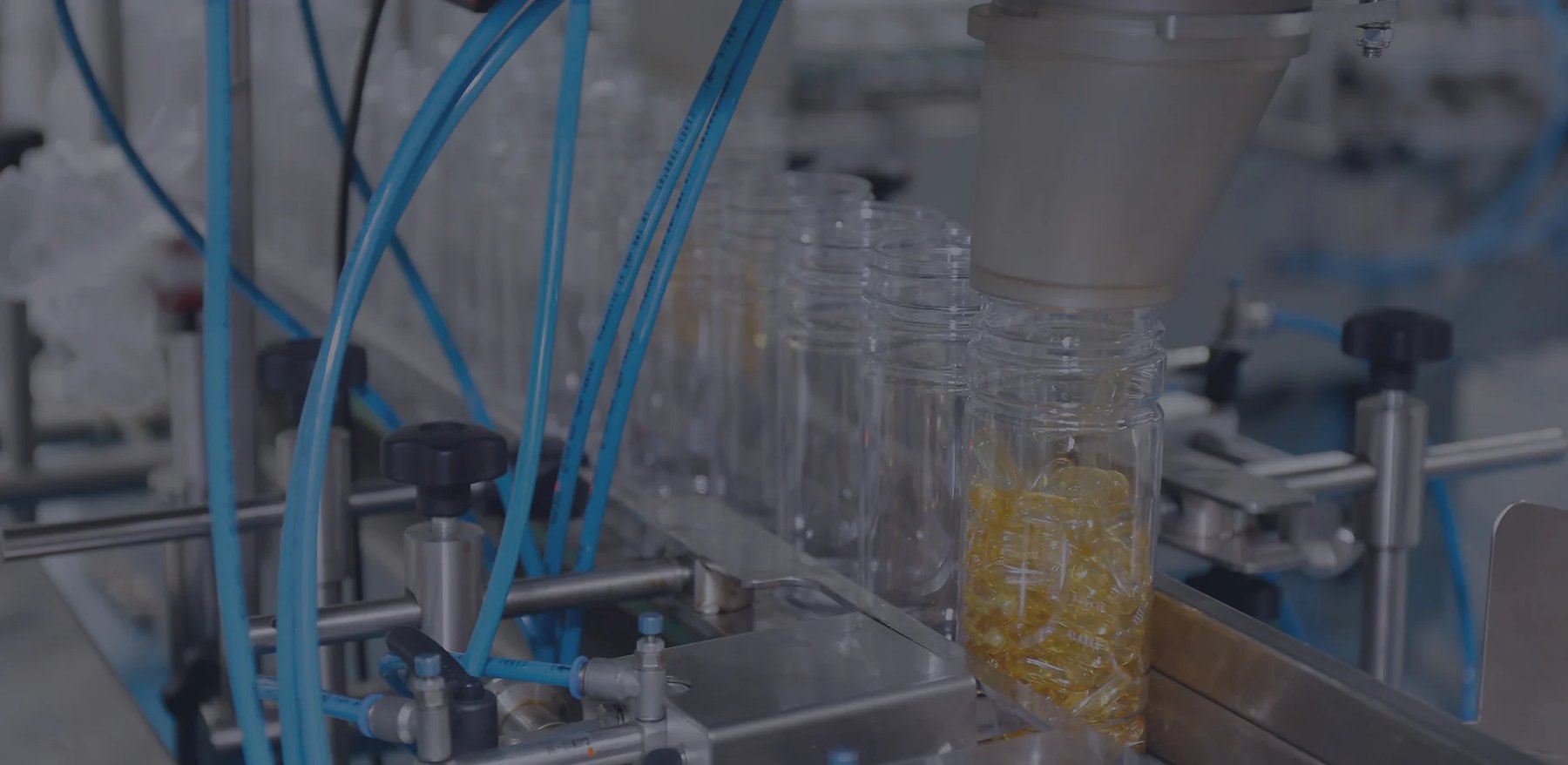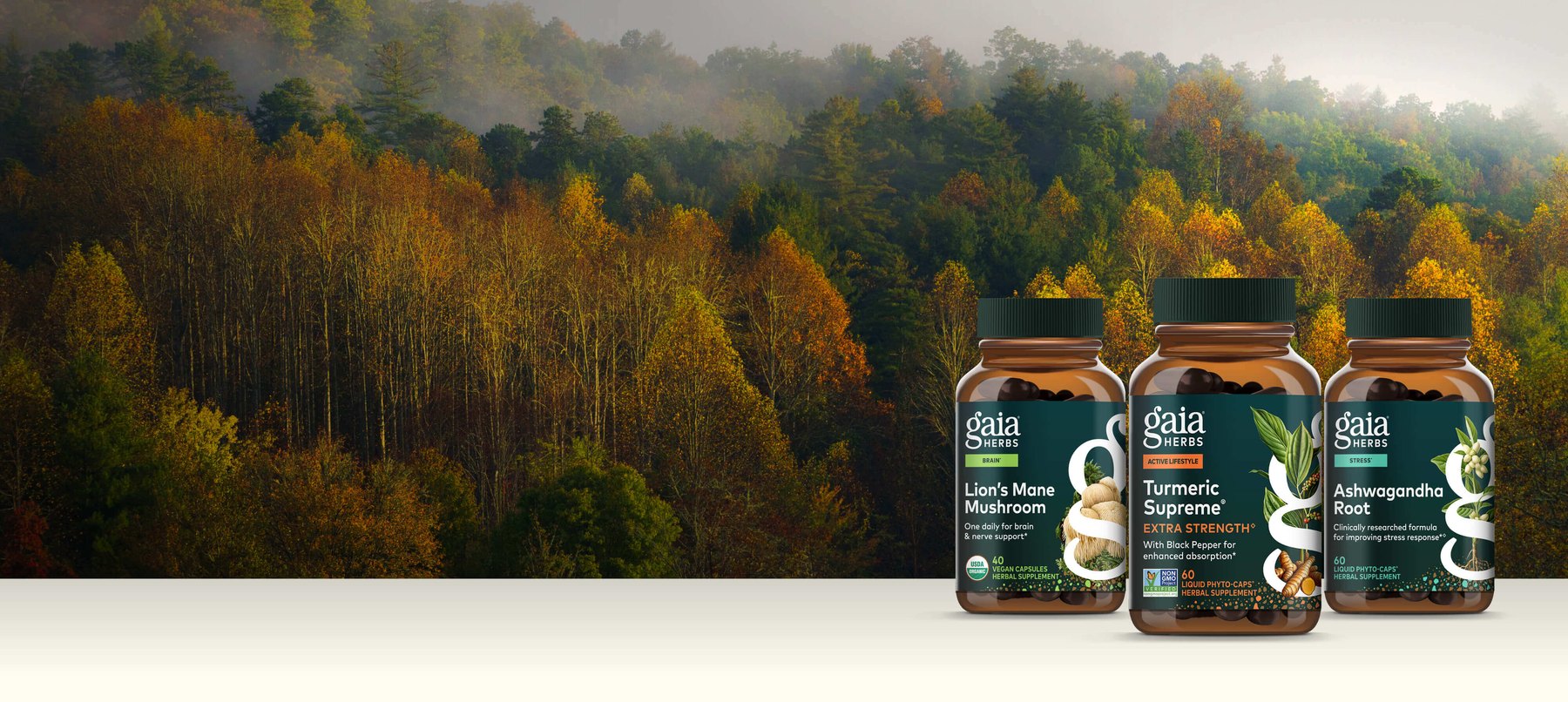
Two paths supply most mushroom capsules in the United States. One ends in a cap and stem, harvested and extracted. The other ends in a block of grain run through with mycelium, dried and milled whole.
In the mushroom counties of Fujian and Zhejiang, growers pack sawdust blocks, set them in dark houses, and wait for caps to push out of the surface. Nearly all, 93 percent, of the world’s mushrooms are presently grown in China, according to Nammex COO Bill Chioffi. “Their mushroom cultivation and handling knowledge is unparalleled,” he said. Harvest crews pick the fruiting bodies by hand, slice them, dry them, and send them to extraction. That harvest is the starting point for one kind of capsule.
How the two paths diverge
Functional mushroom supplements typically fall into fruiting body extracts made from only mushrooms and mycelium on grain extracts made from fungus grown on grains. The difference begins with substrate and ends with what goes into the mill.
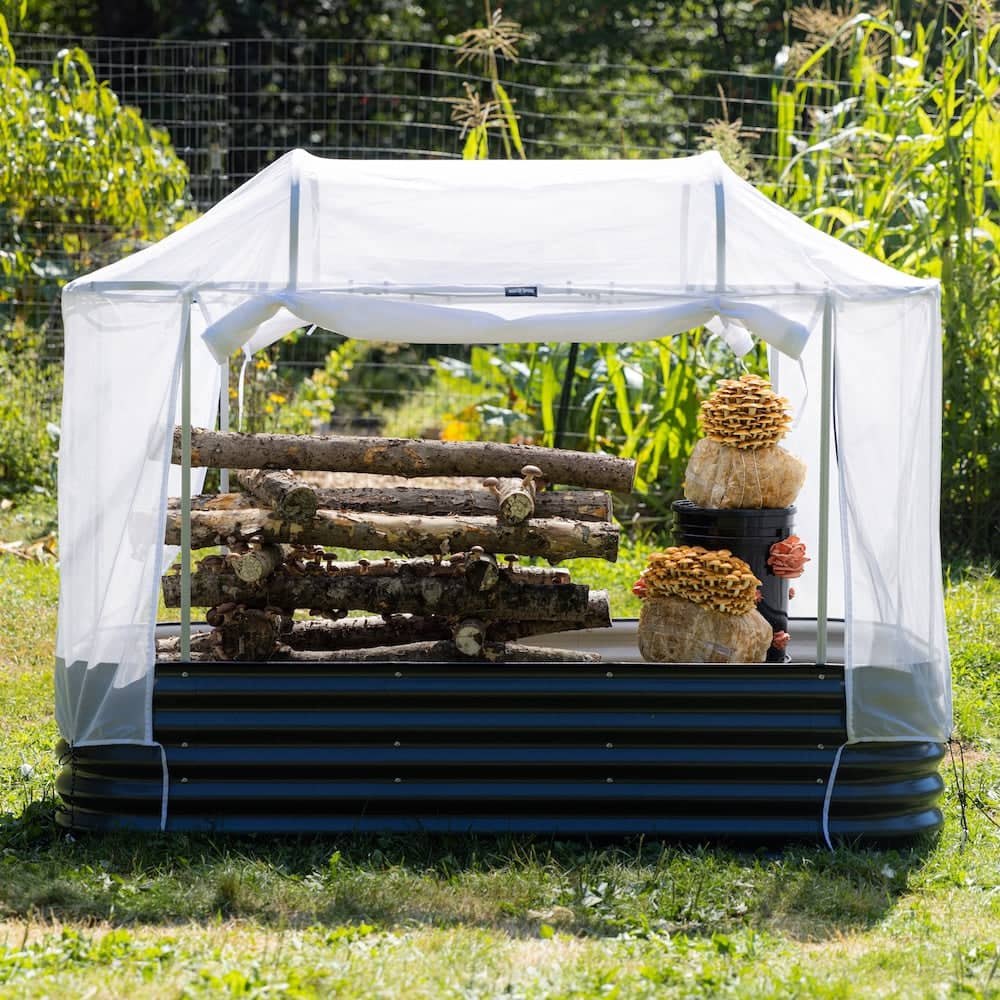
Fruiting body extracts are made from the visible cap and stem cultivated on substrates such as sawdust blocks, then fruited, harvested and extracted. The log or block stays behind. Only the mushroom moves forward to hot water or alcohol extraction, then to spray drying and powder.
Mycelium on grain uses sterilized grain substrate such as rice, oats or sorghum that mycelium colonizes into a solid block. The fungus runs white threads through the kernels until the bag holds firm. The entire myceliated grain block is then dried and ground into powder as mycelium plus grain substrate together. Nothing is separated. The grain that fed the fungus becomes part of the ingredient.
Under the U.S. Dietary Supplement Health and Education Act, dietary supplements are regulated under a food model with largely post market oversight and efficacy is not required under U.S. law. FDA estimates there are more than 85,000 dietary supplement products available in the United States. Within that crowded shelf, a jar that says mushroom may hold either path, or a blend, because the law does not require the label to state fruiting body, mycelium, substrate, or extraction ratio. Readers who check the Supplement Facts panel often find the word mushroom and little else.
Suppliers describe the result in blunt terms. Jeff Chilton of Nammex said of mycelium on grain products that “buyers are mostly getting grain starch, not mushroom.” Mycelium advocates answer that fermented grain substrate is not only filler and may create or make bioavailable new compounds, similar to fermented foods. Both claims point to the same need, which is a test that can tell fungus from grain.
What beta glucan testing shows
Total polysaccharides cannot do that work. Starch is also a polysaccharide, so a test that counts all polysaccharides counts grain starch alongside fungal compounds. Beta glucan tests, which measure fungal cell wall compounds rather than total polysaccharides, show why the distinction matters for what is in the jar.
Buyers are mostly getting grain starch, not mushroom.
Extracted mushroom fruiting bodies contain on average 20 to 30 percent beta glucans. Mycelium grown on grain typically yields only about 5 percent or less beta glucans, versus 30 percent or more in real mushrooms. One analysis found mycelium on grain supplements with 1 to 5 percent beta glucan and 35 to 40 percent starch. The pattern repeats across lots. Where grain remains in the powder, starch rises and beta glucan falls.
Structure explains part of the gap. Mushroom beta glucans typically have branched 1,3 and 1,6 linkages, while oat beta glucans have linear 1,3 and 1,4 linkages. The two behave differently in the lab, and the test can separate them when it is set up to do so. Mushrooms store carbohydrates as glycogen and contain virtually 0 percent starch. Grain stores carbohydrate as starch. Alpha glucan results follow starch results, with high alpha glucan and starch in mycelium fermented grain products and low to no starch in true mushroom products. High alpha glucan therefore reads as a marker of residual substrate, not of mushroom content.
The Nammex lab uses the Megazyme K-YBGL kit to validate beta glucan content and runs the AOAC starch test in tandem. The pairing matters. Beta glucan alone shows fungal material. Starch alongside it shows grain carryover. Nammex specifications for 1:1 extracts are no less than 30 mg per g for Lion’s Mane, 35 mg per g for Reishi, 45 mg per g for Turkey Tail, and 8 mg per g for Chaga and Cordyceps. Those figures are specifications for extract powders at the ingredient stage, not promises about finished capsules, yet they give buyers a reference for what a tested fruiting body extract looks like on paper.
Industry sources argue testing only beta glucan is insufficient and want assays for species specific markers such as triterpenoids, ergosterol and ergothioneine. Fruiting bodies produce secondary metabolites such as triterpenoids and ergosterol that mycelium alone may not produce. The chemistry differs by part and by species, so a single number cannot carry the whole story. Authors note conflict of interest because leading mycelium on grain and fruiting body proponents fund research that supports their own business models. That funding history counsels care with any single lab result presented as proof.
Where mycelium still has a case
The record does not reduce to fruiting body good and mycelium bad. Parts contain different compounds, and different compounds invite different questions.
Erinacines, potent stimulators of Nerve Growth Factor, are found almost exclusively in Lion’s Mane mycelium, not the fruiting body. A 2024 randomized double blind placebo controlled pilot study in the Journal of Functional Foods found erinacine A enriched Hericium erinaceus mycelium improved cognition scores over 8 weeks. That finding supports a specific mycelium use case, in a defined preparation, over a short period, in a pilot sample. It does not show that all mycelium on grain powders share the same profile, and it does not show that beta glucan percentage alone predicts effect without species specific markers and extraction details.
What remains unknown is larger than what is settled. The evidence does not show how much fruiting body versus mycelium on grain any given brand uses when the label only says mushroom. It does not show whether beta glucan percentage alone predicts effect without species specific markers and extraction details. Look beyond cognition and immunity and the record shows no comparison of fermented grain substrate with fruiting body. A careful label can narrow the first gap. Only fuller testing and clearer extraction records can narrow the other two.
For the household buyer, the practical questions stay close to the jar. Does the label state fruiting body or mycelium on grain? Does it state extraction method and extract ratio? Lot by lot, does a third party lab publish beta glucan content with starch Brands that publish them deserve credit, because each line removes one place where grain can hide behind the word mushroom.
The position is simple. Fruiting body, extraction method and beta glucan numbers belong on the label, with starch beside beta glucan and a certificate to back both. Mycelium products with defined compounds and trial data should state them plainly and keep the substrate on the label. Until that becomes normal, the capsule that names its grower, its part, its extraction and its numbers is the one worth keeping on the shelf.

Dana Kessler
Dana runs the news desk and the sourcing guides at Seed to Capsule. She files every certificate of analysis a brand sends her by lot number, and keeps a second list of the ones that never arrived.
More from Dana Kessler →