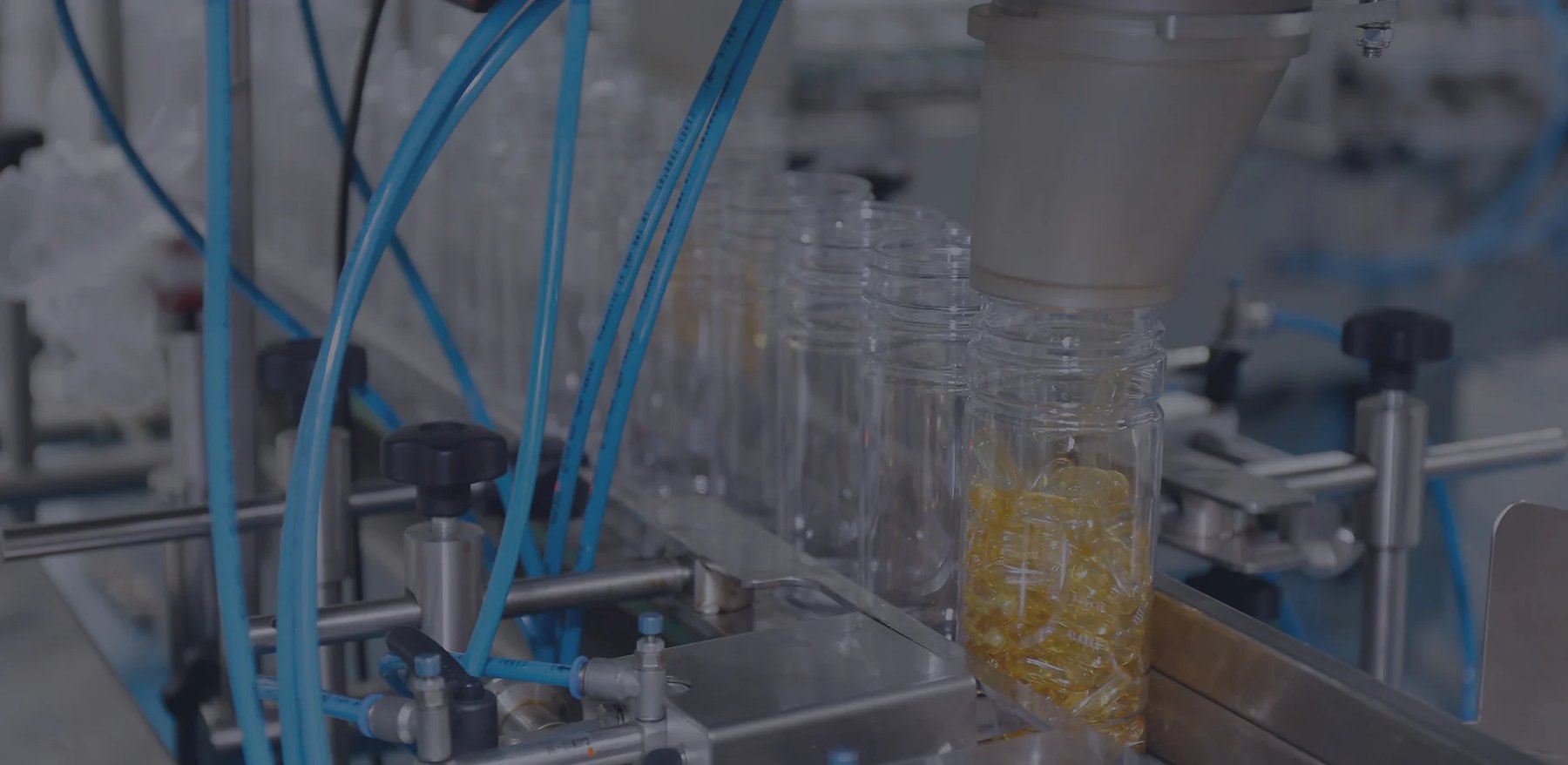
Two jars can list similar plants and claim similar minerals while carrying very different prices. The gap often comes from factory choices, raw material forms and testing that never reach the front label. The task is to read the panel and the paperwork until the money shows itself.
In summer 2022, researchers collecting the lowest priced online marketplace prices for a driving study captured a market spread that still explains the shelf today, with individual supplement costs averaging 73 cents to 49.59 dollars per month across 142 formulations with price data.
Mean monthly cost for all participants in that analysis ranged from 10.23 dollars at baseline to 13.14 dollars in year 3. Use among adults age 65 and older who drive ran from 70.4 to 82.7 percent from baseline to year 5 in the AAA LongROAD study. Those numbers describe a crowded category where many households keep a small set of products for years. The Food and Drug Administration does not review dietary supplement products for safety and effectiveness before they are marketed, and FDA estimates more than 100,000 supplements are on the market. Manufacturers can sell dietary supplements without submitting evidence of purity, potency, safety or efficacy under the Dietary Supplement Health and Education Act framework described by Harvard Health. “Supplements are a broad term, and vitamins are one kind of supplement” (Steven R. Cummings, MD, internist and epidemiologist). “The FDA doesn’t regulate efficacy or safety of vitamins or supplements before they go on the market” (Steven R. Cummings, MD, internist and epidemiologist).
Price per serving tracks decisions made long before a jar is filled. The chain starts with sourcing and supplier qualification, then identity verification, in process checks, finished product testing, packaging inspection, labeling review, storage and release procedures. Manufacturers are asked to cover each of those steps. Whether a brand pays for all of them, and whether an outside lab checks the work, shapes cost in ways a front label rarely states.
Where the jar was actually made
Contract manufacturing builds a custom formula to a brand specification, while private label sells an existing generic formula under a brand name, also called white labeling. The distinction matters because development time, order size and control over ingredients follow from it.
White label liquid supplements can have minimum order quantities as low as 150 to 500 units. Private label with flavor or packaging changes typically requires around 1,000 or more units. Custom liquid formulation usually requires 2,500 to 5,000 or more units because line cleaning and calibration make small runs uneconomic. Research and development fees for custom liquid formulation range from 2,000 dollars to more than 15,000 dollars depending on complexity. White label or private label liquids can often launch in 4 to 8 weeks. Custom liquid formulation typically takes 12 to 18 weeks for a first run, or 3 to 6 months from concept to ready to ship, including microbial stress testing.
The liquid vitamins market will reach over 29 billion dollars by 2026 at a 6.2 percent compound annual growth rate. Growth on that scale rewards speed. A brand that selects a stock greens blend or a stock electrolyte base can move from concept to listing in weeks, with modest inventory risk. Fund development, wait through stability work and commit to thousands of units when a brand specifies each green, each salt, each flavor system and each test.
The fast jar and the slow jar can look alike on the front and differ completely in the file.
The lower cost route does not always mean lower quality. A stock formula made in a well run plant, with identity checks and finished product testing, can be sound. The higher price does not always mean custom work. A brand can take a generic base, change flavor and packaging, add a label story about farms and still charge for provenance that lives mostly on the carton. Seed to Capsule credits what is traceable and names what is not yet shown. The Supplement Facts panel, the other ingredients line, the lot number and the certificate of analysis carry more weight than the field photograph.
Why the mineral form sets the serving cost
Greens powders and electrolytes often compete on breadth. One lists many plants. Another lists many salts. The panel shows names and amounts, but absorption depends on chemical form and on what else is in the scoop.
Mineral absorption ranges from less than 1 percent to over 90 percent depending on mineral and gut conditions, with plant based iron around 10 percent and selenium up to 98 percent. Magnesium oxide absorption is often under 10 percent, while ionic, chelated and citrate forms are ranked higher for bioavailability. Vitamin C can increase iron absorption by up to 300 percent by converting ferric iron to ferrous iron. Calcium supplements taken at the same time can lower non-heme iron absorption by up to 60 percent. Calcium absorption from spinach can be as low as 5 percent, compared with 27 percent from milk, linked to oxalic acid.
For electrolytes, those hierarchies point to questions worth asking. Which magnesium salt is present, and at what elemental amount per serving. Which sodium and potassium salts are present, and what fill weight supports the stated electrolytes. Whether calcium is placed in the same serving as iron, and whether the label states timing or separation. For greens powders, the questions turn to extract ratios, standardized markers and the weight of the serving. A busy blend with small amounts of many ingredients may deliver less per serving than a shorter list with stated potencies. Bioavailability hierarchies and enhancers or blockers are known, but finished greens powder or electrolyte recipes that prove a specific price gap are not given.
The daily need for vitamin D is 600 IU below age 71 and 800 IU after, with many experts favoring 800 to 1,000 IU and daily doses up to 4,000 IU considered safe. The reference matters here as a measure of label honesty. A product that states IU per serving, serving weight and servings per container allows a buyer to calculate cost per measured amount. By contrast, that calculation grows difficult for a product that leans on proprietary blends and implied benefits. Physician sources stress loose premarket regulation and limited proof for many prevention claims, which cuts against paying more for implied health benefits.
What the label proves and what still needs paper
A careful buyer reads from the capsule backward. Start with the Supplement Facts panel and the other ingredients line. Look for mineral forms named in full, extract potencies with ratios or standardized amounts, serving fill weight and servings per container. When comparing labels, look for third party seals with an understanding that seals are not all equal. Then ask for the lot specific certificate of analysis and check heavy metals and potency testing against what the label states.
Bulk commodity prices for greens ingredients and electrolyte salts, finished jar build costs, serving fill weights and retail margins are not listed here. It does not state which greens or electrolyte brands use third party heavy metal and potency audits, and what those certificates show. Consequently it fails to quantify how much of a price difference comes from marketing, packaging weight and shipping versus ingredient form and dose. Those gaps are the reason caution belongs in any verdict. Without fill weight, extract potency and audit results, price comparison remains guesswork.
Lower cost white label and private label routes offer speed and low minimums, so a lower price does not always mean lower quality and a higher price does not always mean custom work. The expensive jar earns its price when the label names the form and the amount, and an outside lab confirms identity, potency and heavy metals for that lot. The economical jar earns trust the same way, by showing its paperwork and keeping its label claims within what the panel supports.
The position is plain. Pay for documented form, measured amount and independent testing, not for ingredient count or origin story alone. Where the certificate matches the panel, the higher cost reflects material and quality work. If the file is missing, the price reflects speed, flavor, packaging and story.

Holly Rasmussen
Holly looks after the brands Seed to Capsule works with and makes sure every sponsored page is marked as one. She spent five years buying raw materials for a natural foods retailer in Colorado, which is where she learned to ask for the paperwork first.
More from Holly Rasmussen →