Kin Euphorics began in a small New York kitchen and now leaves the building in 8 fl oz cans and 16.9 fl oz bottles. Founder Jen Batchelor still talks in rituals and hours of the day, but the work sits in sourcing, extraction and labels. This conversation traces that path, lot by lot.
On December 5th 2018, Jen Batchelor turned on the Kin Euphorics website and offered her first commercial sale. It was a small act with a long lead time behind it, years of home extracts, study of Ayurveda, and a year spent with nutraceutical firms learning how to fit functional ingredients into a small format.
Batchelor had grown up in Saudi Arabia where her father brewed beer and moonshine for expat house parties. In the United States, she later described alcohol as disconnecting, a break from body and community. In her late 20s in the Lower East Side, she began mixing herbs into tonics in her own kitchen, looking for mood and connection without what she called taxing the mind or body.
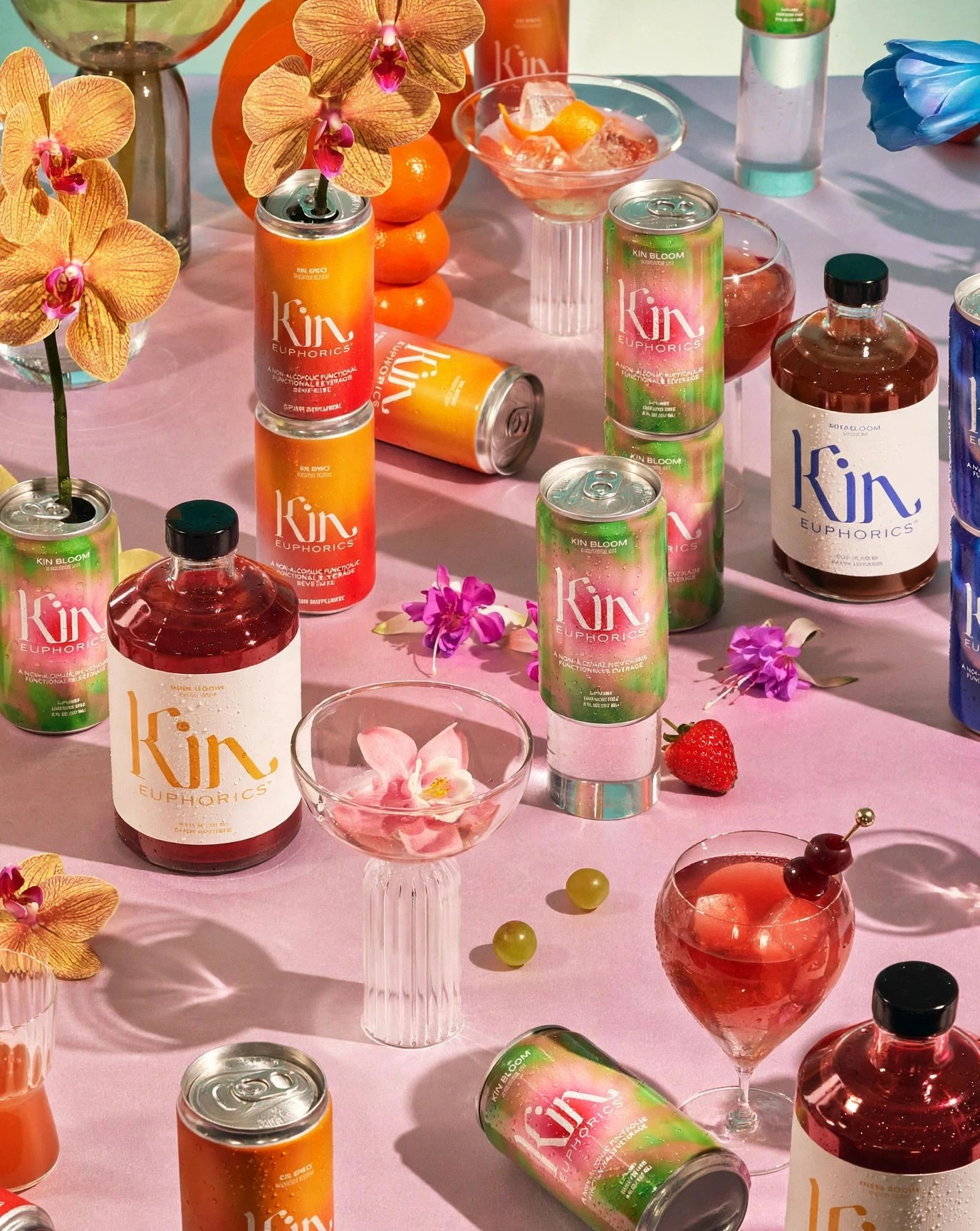
What Kin is now is a nonalcoholic beverage company built around time of day. Ready to drink cans and made to mix bottles are positioned as Tune Up for social hour and Tune Down for night. The brand states its products contain adaptogens, nootropics and botanics, with exact contents listed on each product page and label.
What others miss is how much of the story is about format. Batchelor did not set out to copy alcohol one for one. She wanted what she calls iconic flavors that never existed before, and she kept the range narrow around hero formulas. For a provenance reader, that choice matters. Fewer formulas mean fewer supply chains to trace, and each label carries more weight.
You grew up in Saudi Arabia where your father brewed beer and moonshine for expat house parties, and later you studied Ayurveda and mixed extracts in a Lower East Side kitchen. What carried over from that kitchen into the first commercial batch.
Thank you for having me. There is something great about the ritual itself, and that is where it started. I began mixing my favorite herbs to create tonics that boosted my mood without taxing my mind or body. I had studied Ayurveda, and I was drawn to plants used for balance across different times of day.
In the kitchen it was just a whimsical idea at first. Small jars, dried herbs, hot water, taste and adjust. Those early Kin formulations were fringe and would not sit on shelves today, but they kept the spirit of adaptogenic botanicals. I wanted to create a way for people to seek bliss and communion over shared drinks and interests.
What carried over was the structure. A tonic for lift in the social hour, a tonic for rest at night. The ingredients changed as we learned about stability and dose and flavor, and working with nutraceutical firms changed the method completely, but the daily rhythm stayed. Made for the moments we share is still how I think about it.
You turned the website on December 5th 2018, after a year of work with a nutraceutical firm to fit functionals into a small format. What made that small format so difficult.
I had no idea how hard it was going to be to bring this to the world. In the kitchen you can make an extract that tastes interesting for one evening. To sell it, you need the same taste in thousands of units, with a stable shelf life and a label that states what is inside.
One partner spent a year with us fitting functionals into that small format. Botanical extracts are potent in flavor and color. Bitter orange, ginger, hibiscus, matcha, Reishi mushroom, each brings its own pH and solubility and sediment. When you combine adaptogens and nootropics and botanics in an 8 fl oz can or a 16.9 fl oz bottle concentrate, you have to manage fill weight, mixing uniformity and flavor at once.
We learned about extract ratios and carriers, how a powder flows, how an oil disperses, how caffeine from a botanical source behaves next to acids. The home method does not scale. You need specifications for each input lot and a finished batch record that shows what went where.
Your early formulas kept the spirit of adaptogenic botanicals but would not sit on shelves today. When you moved to commercial production, what changed in drying, extraction and blending.
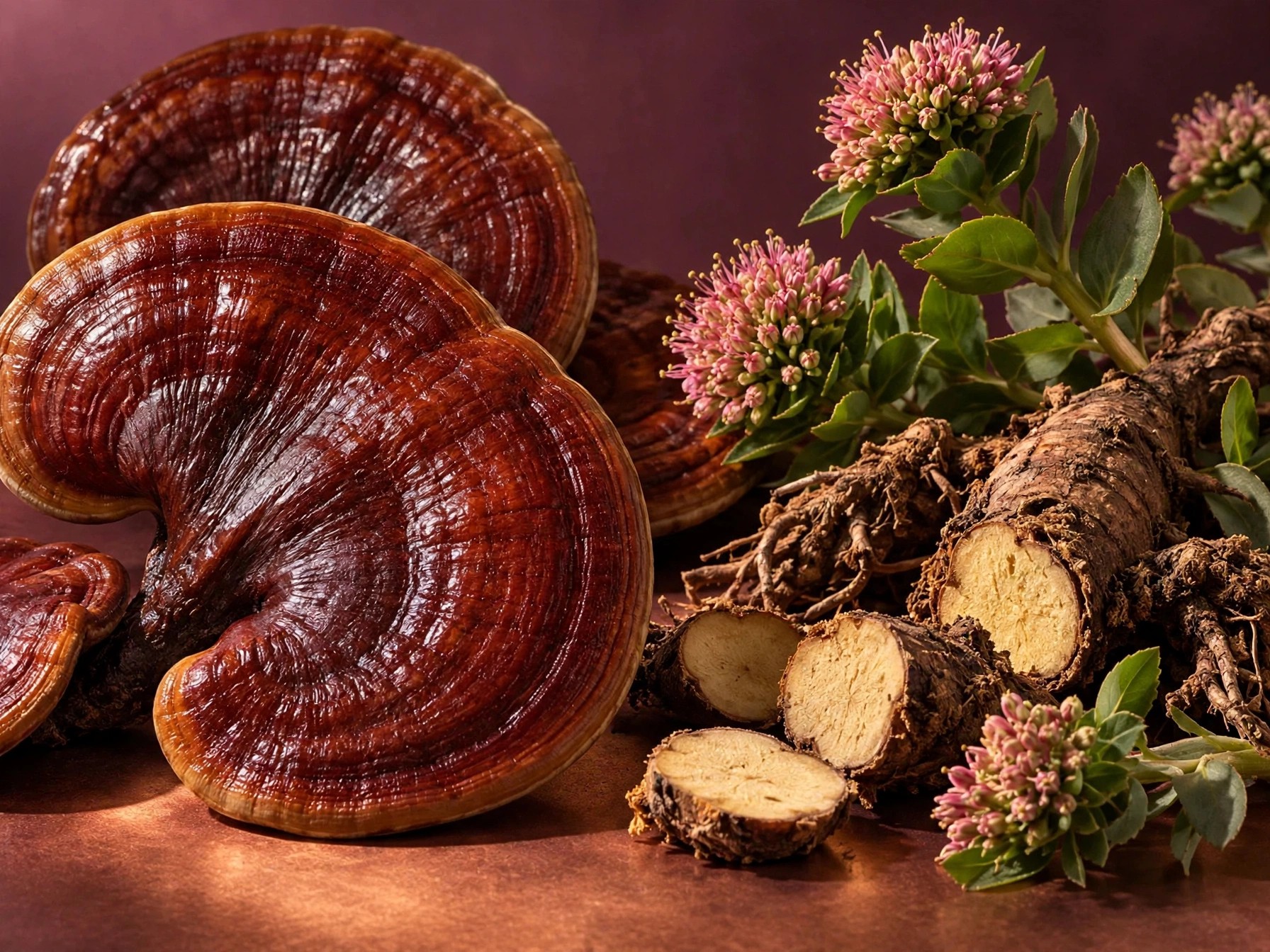
In the kitchen, drying was whatever I could source and steep. Commercially, drying and extraction set the flavor and the paperwork. A supplier dries the herb or mushroom to a target moisture, mills it, then extracts with water, alcohol, or a mix, then concentrates or spray dries it to a powder or keeps it as a liquid.
That step changes everything. A hibiscus water extract for Kin Spritz behaves differently than a root powder. Rhodiola Rosea arrives as an extract with its own taste and specification. Reishi mushroom for Dream Light arrives with its own handling needs. You taste for bitter orange and ginger on top, but underneath you are managing how each extract dissolves in a sparkling base or in a 2 fl oz pour over ice with a mixer.
We also moved from open jars to closed blending tanks with lot control. Each delivery has a lot number, a certificate of analysis from the supplier, and we keep a record of which lots went into which finished batch. That is how you can answer the question of where exactly a botanical came from for a given run.
Kin Spritz lists bitter orange, ginger and hibiscus alongside Rhodiola Rosea and 5-HTP, and it is described as gently caffeinated. Walk us through that can from raw material to finished label, as you understand it today.
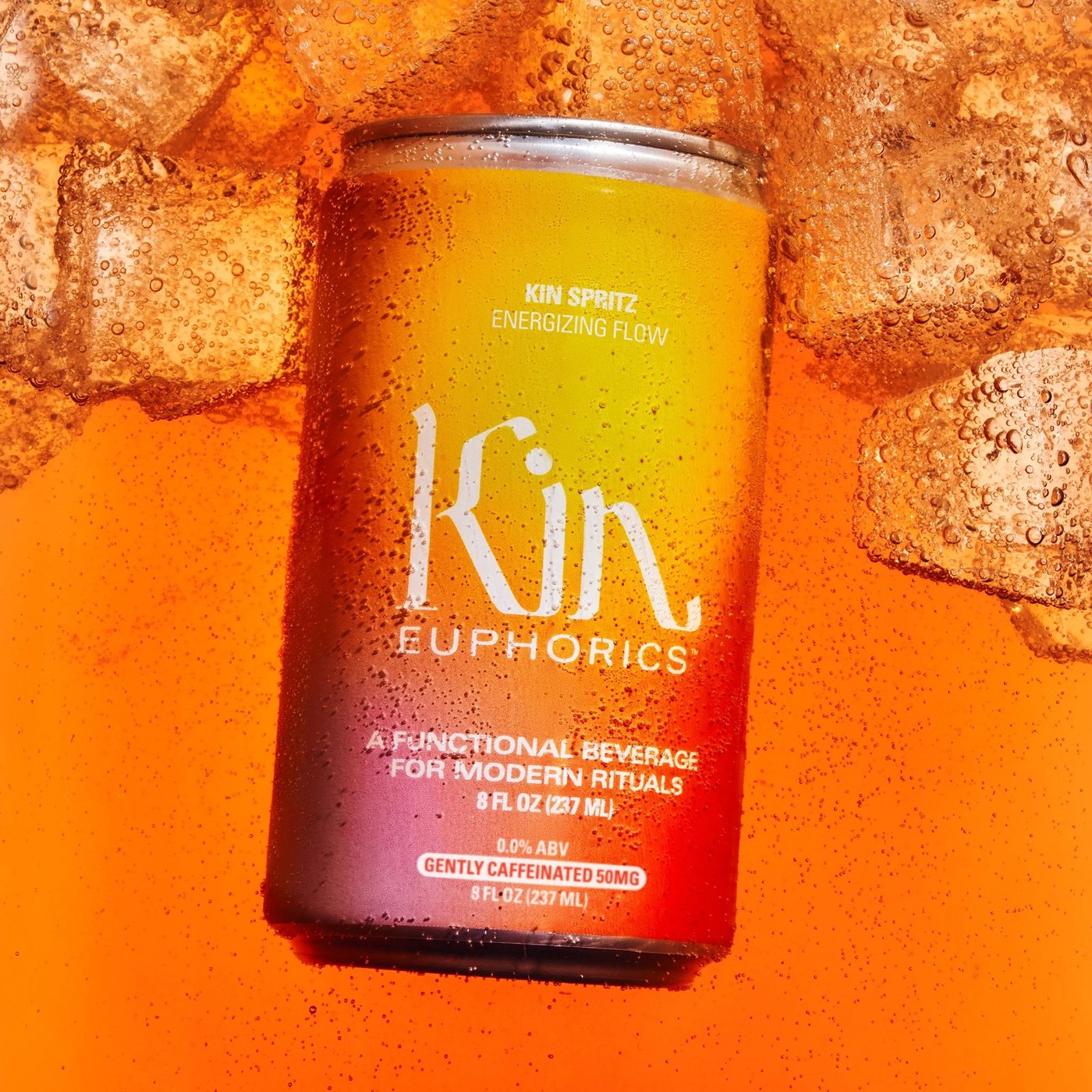
Kin Spritz is our original social tonic, and it has the most reviews in the ready to drink line. It is a sparkling 8 fl oz can, nonalcoholic and gently caffeinated. The flavor leads with bitter orange, ginger and hibiscus. The label also lists Rhodiola Rosea, 5-HTP and other botanics, and exact contents are on the product page and label.
From the field side, citrus peel, ginger root and hibiscus calyx each start with a grower and a harvest date. They are dried, then extracted or juiced into a form that can dose evenly in a beverage. Rhodiola Rosea comes as an extract made to a specification. 5-HTP is a defined ingredient with its own specification and test. Each arrives with paperwork, and our partners test identity and check for heavy metals and microbes as part of release.
At the plant, the concentrate is blended, carbonated, canned and coded by batch. The can carries the Supplement Facts or Nutrition Facts panel as applicable, plus the other ingredients line, caffeine disclosure and serving guidance. I tell buyers to review the label received for allergens, warnings, ingredients, caffeine and serving guidance, because the label in hand controls for that lot.
High Rhode is your hero made to mix bottle, poured as 2 fl oz over ice with a mixer for social hour. Dream Light is its night counterpart with Reishi mushroom, melatonin and L-tryptophan, poured warm or over ice. How do those two concentrates differ in the plant.
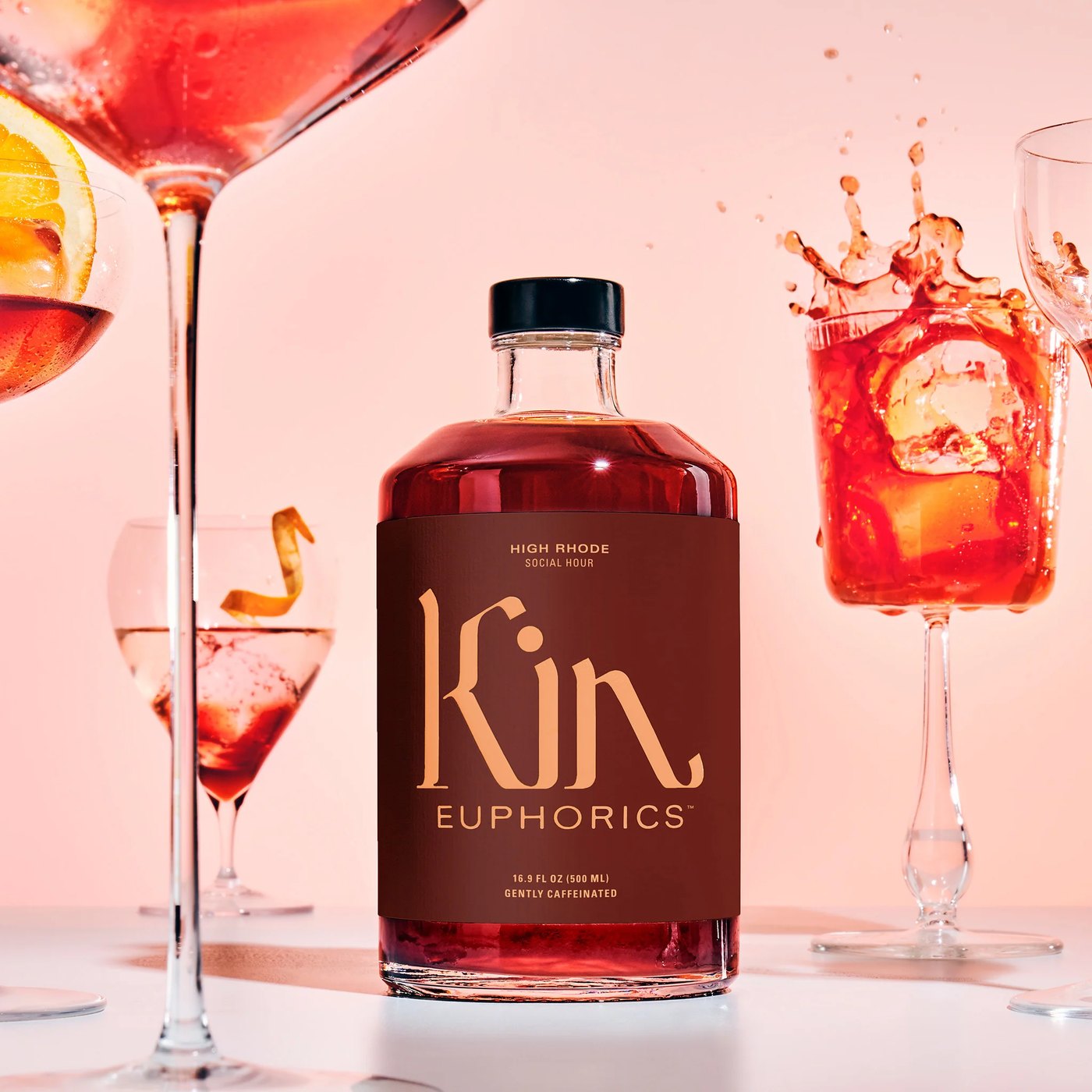
There is a lot to be said for nailing a hero SKU, building a cult following around that product, and High Rhode is that for our Tune Up hour. It is a 16.9 fl oz made to mix bottle. You mix 2 fl oz over ice with a mixer and drink it as a mocktail for social hour. Dream Light is the Tune Down bottle, nonalcoholic and non caffeinated, mixed and drunk for a night ritual.
In the plant, both are concentrates, so uniformity matters more than in a ready to drink can. A small error in a concentrate becomes a larger error in the glass. Blending order, temperature and time are set so powders fully dissolve and flavors stay even from the first bottle to the last. High Rhode centers on social hour botanicals and nootropic ingredients that vary by formula. Dream Light centers on Reishi mushroom, melatonin and L-tryptophan, which each need precise weighing and verification.
Encapsulation is not our process. Ours is liquid fill weight, cap torque, seal and code. Then we hold retain samples by batch so we can revisit any question about taste or label alignment later.
For as much investment as we have brought in, we have rejected just as much.
Jen Batchelor
You have said you went straight to the dreamers for investment and rejected just as much as you brought in. How does that choice show up in sourcing and testing decisions.
We went straight to the dreamers. For as much investment as we have brought in, we have rejected just as much. I wanted to create something that never existed before, not one for one alcohol copies, and I did not want to trade conscious connection and efficacy for scale or marketing hype.
That choice shows up in pace. We refused constant line extensions for hype. We focused on Tune Up High Rhode and Kin Spritz and Tune Down Dream Light, with new ready to drink planned carefully. Fewer products let us stay with the same growers and extract makers longer, learn their harvest variation, and keep specifications steady.
It also shows up in what we will not do. We refuse drinks that tax mind or body, as we define it, and we refuse opportunistic money off mission. That is one of the only reasons for me to scale, to keep writing that message and to keep the standard. I tell people to go at your own pace and celebrate in a way that feels authentic to you. The same applies to sourcing. Stay with what you can verify.
You state All bliss, no booze and drink for every hour, and you refuse the phrase clean unless it means something. What does your label prove today, and what paperwork can a buyer ask for.
All bliss, no booze is our shorthand for mood and connection without alcohol or hangover. Rise wisely and Made for the moments we share point to use by hour. Those are statements of intent. What the label proves is narrower and more useful.
The label shows the product name, the serving size, the contents per serving, the other ingredients, caffeine presence where applicable, and allergen and warning statements. For Kin Spritz, it shows bitter orange, ginger and hibiscus character with Rhodiola Rosea, 5-HTP and botanics. For High Rhode and Dream Light, it shows adaptogens, nootropics and botanics for their hours, with Reishi mushroom, melatonin and L-tryptophan listed on Dream Light.
A buyer can ask for the lot code on the can or bottle, the specification for a named extract, and whether identity, heavy metals, microbes and caffeine were verified for that batch. I am committed to this. I am here to see it through. If we cannot name the grower for a given lot today, we say so and explain what it would take to show it.
Where in the chain are you most confident today, and where is it still opaque from field to capsule, or in your case from field to can.
I am most confident in flavor and format control at the finished goods step. Our nutraceutical partners run to a formula, a blending record and a fill record. We know the batch code, the fill weight, and what the label states for that run. That part is traceable.
The middle is strong when we stay with hero formulas. Extract makers provide lot level detail, and we can follow a delivery from intake to blending tank to finished batch. That is the discipline of fewer formulas.
The field is where opacity remains. A botanical may pass through a collector, a dryer and an extractor before it reaches us. We may know the country and the extractor and hold a certificate, but not always the named farm and harvest lot for every component. Harvests vary by season. Suppliers change. To close that gap we would need farm level lot identity preserved through drying and extraction and printed back to our batch, plus published testing by lot. That takes time and volume, and it is the work ahead.
If a careful buyer keeps two Kin products on the shelf for a year, how should they store, mix and read them so the label stays true to the pour.
Keep it simple and follow the label received. Store cans and bottles in a cool place away from light. Chill Kin Spritz and drink it sparkling from the can for social hour, as stated. Shake or mix concentrates gently before measuring, then pour the stated serving. High Rhode is 2 fl oz over ice with a mixer as a mocktail. Dream Light can be poured warm or over ice for a night ritual.
Read the whole label each time you restock. Check the serving size, the caffeine line for Tune Up products, the non caffeinated statement for Dream Light, and the other ingredients line if you buy for a household with sensitivities. Note the lot code if you ever have a question. No, I want to create iconic flavors. I want to create something that never existed before. That only works if the pour matches the promise, and the label is how we keep that agreement.
Closing note from the desk
What stays after this conversation is Batchelor’s insistence on a narrow shelf. Fewer formulas, longer runs with the same partners, and a label that carries the detail. The sourcing story is not finished, and she does not claim it is. Field level identity for every botanical lot remains the gap to close.
Kin set out to offer mood and connection without alcohol, in drinks made for hours of the day. Traced backwards, that means growers and dryers and extract makers, then blending tanks and batch codes, then a can or bottle that states its contents. The documents, not the adjectives, will show whether the price was worth it.
Product spotlight
Kin Spritz is a ready to drink sparkling can sold at 57 dollars for 12 cans and 90 dollars for 24 cans, with 8 count at 39 dollars. The label lists bitter orange, ginger and hibiscus with Rhodiola Rosea, 5-HTP and botanics, and notes gentle caffeine. Chill and drink from the can for social hour.
High Rhode is a 16.9 fl oz made to mix bottle sold at 39 dollars for one bottle. The label lists adaptogens, nootropics and botanics for social hour. Mix 2 fl oz over ice with your preferred mixer and serve as a mocktail, storing the bottle as directed on the label.

Kristen Decker
Kristen produces the interviews at Seed to Capsule: the research, the supplier maps, the follow-up calls. She asks for the name of the farm early in every conversation, and writes it down before the founder can change the subject.
More from Kristen Decker →