Wile began with a poll, not a product. Hundreds of women could name the sleepless nights and frayed days but did not connect them to perimenopause, and the founders kept that gap on file as they built plant formulas for the years around forty to sixty.
When Wile polled hundreds of women, the result stayed with the team. Over half could identify certain symptoms they were having, but they did not correlate them with being premenopausal. That finding became a kind of origin document, more telling than any trend deck.
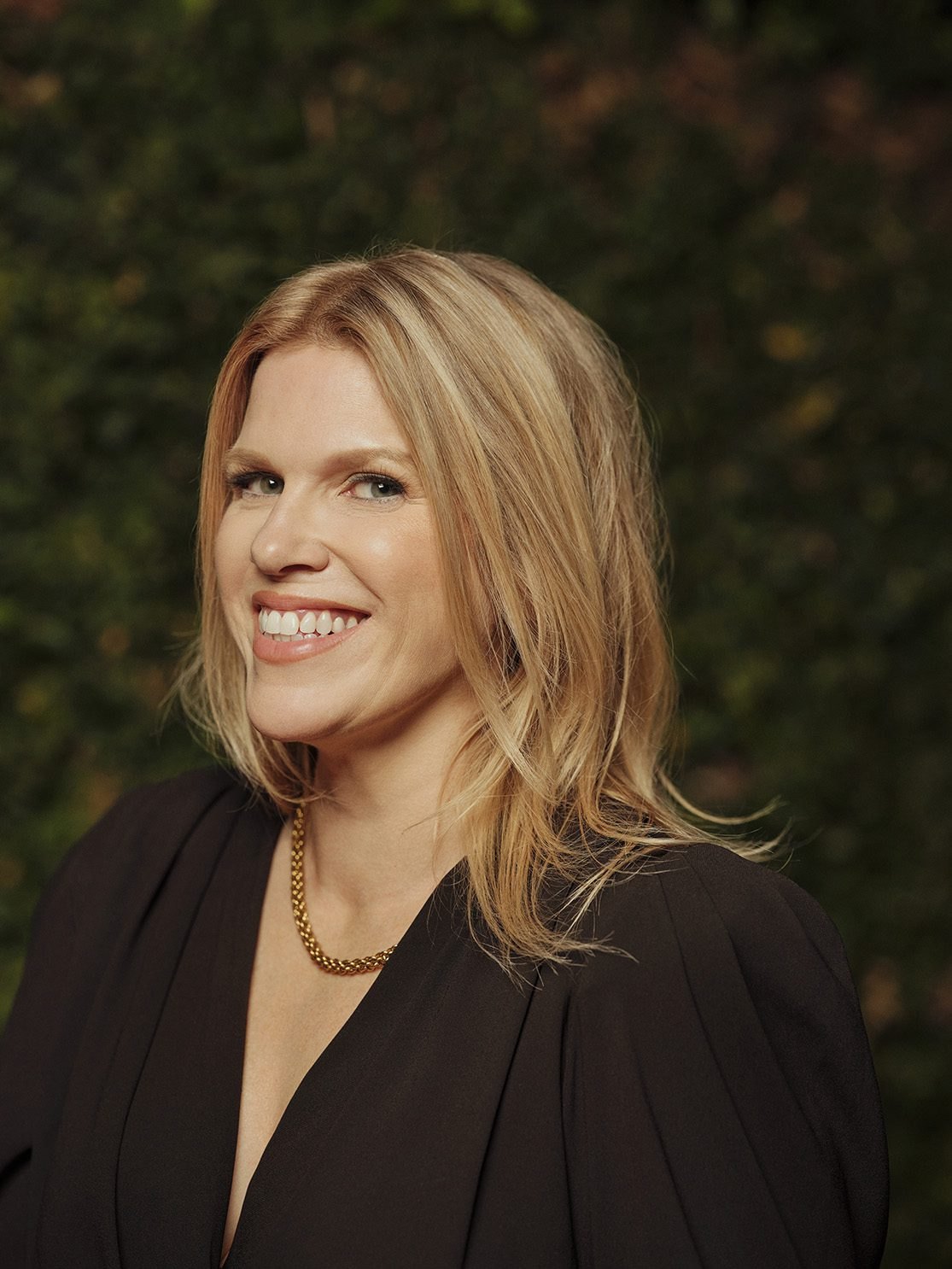
The brand was started by Gwendolyn Floyd, Corey Scholibo and Julie Kucinski, along with actress Judy Greer. Floyd had founded the ethical jewelry company Soko. Scholibo had founded Repurpose, maker of compostable tableware. Kucinski had worked as a strategist and creative director for brands from Mrs. Meyers to Aveda, as well as Levi’s, Target and L’Oreal. All described themselves as users of integrated and natural medicine with rebel spirits.
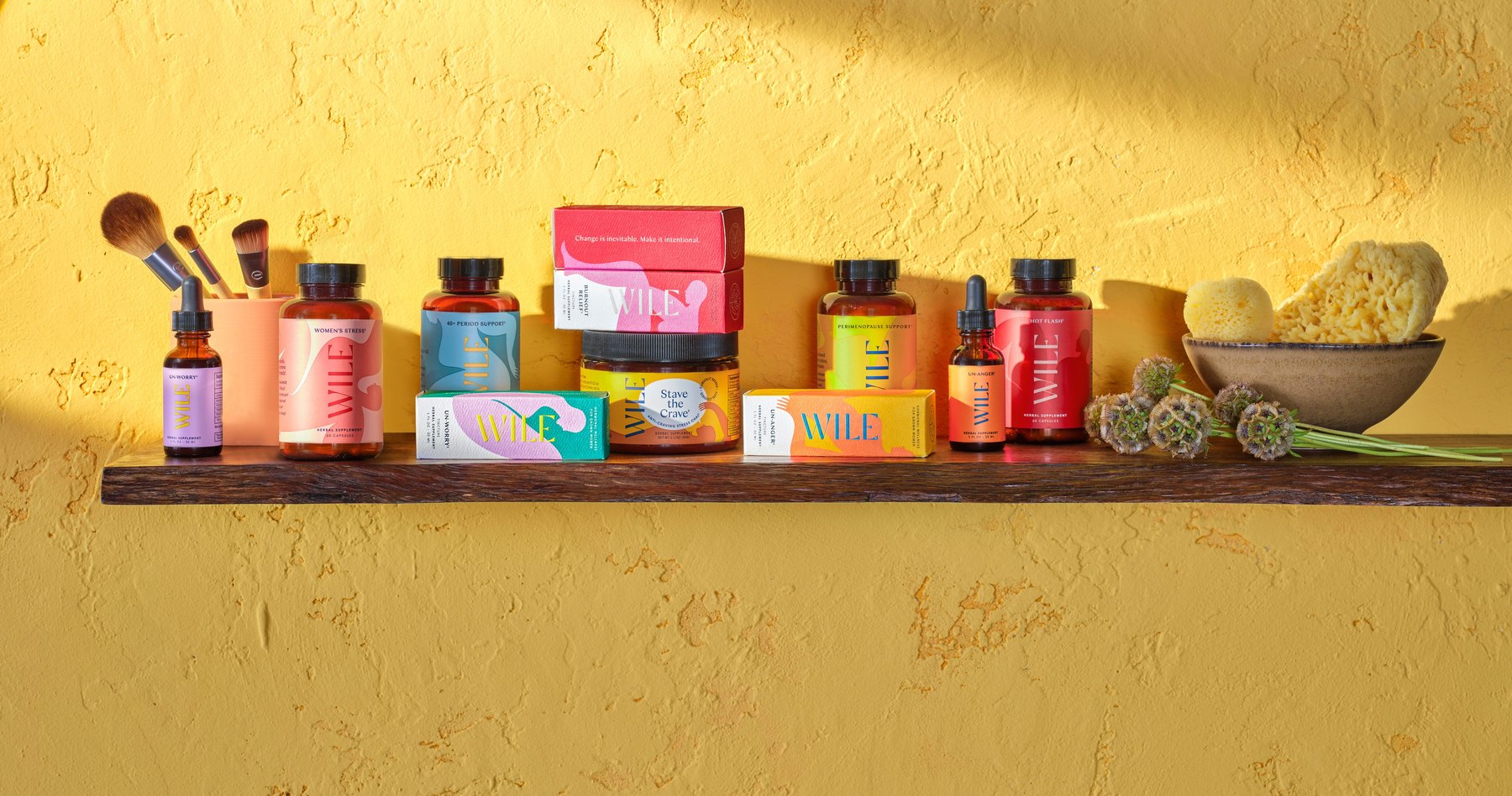
What Wile is now is a supplement line for women aged forty to sixty, sold on its own site and at Grove Collaborative. The promise is to feel like you again without synthetic formulas, using plant medicine and clinical studies to support body, mind and mood in midlife. What others miss is the paperwork question underneath. Seed to Capsule follows each capsule backwards to farm, extract and test, and asks where exactly this comes from, and how do you know.
Your client asked you to map opportunity in womens health, you named perimenopause, and you heard crickets, then you built Wile for women forty to sixty who had fallen off the marketing radar around thirty five or thirty eight, what did that silence tell you about the brief you had to write for yourselves.
I am Julie, and I will start there because that moment is still very live for me. With this career history, I was very aware women fell off the marketing radar around age thirty five or thirty eight, even though retailers and brands rely on us. When a client asked me to identify opportunities in womens health, I presented perimenopause as a huge but untapped market and I heard crickets. That told me the gap was not demand. It was attention.
We polled hundreds of women. Over half of them are able to identify certain symptoms they are having, but they do not correlate them with being premenopausal. That is a labeling problem and an education problem. We focus on mood and stress and perimenopause because that is where the silence was loudest. We are devoted to midlife women and reframing this life stage to one of peak power and personal awakening. Change is inevitable, make it intentional. That is not a slogan to us. It is the work plan.
You came together from Soko and Repurpose and brand strategy, and you describe yourselves as users of integrated and natural medicine with rebel spirits, how did three non bankers, non MBAs decide who would own farm, formula and customer truth.
I am Gwendolyn, and I can speak to that mix. They were not investment bankers or MBAs is how Julie puts it, and she means it as praise. Corey and I have known each other since our teens and went to high school together. I built Soko. Corey built Repurpose. Julie built brands from the inside for Mrs. Meyers to Aveda and beyond. We all were all users of integrated and natural medicine with rebel spirits.
They helped me develop a real instinct for being one hundred percent true to your mission and serving the customer first, not a spreadsheet. That line guides how we divide the work. Corey watches operations and what can actually be made well at scale. Julie watches the customer and whether the label tells the truth she can use. I watch mission and whether we are serving as many women as possible while we give them efficacious ingredients. Our goal is to serve as many women as possible, but, at the same time, we want to give them efficacious ingredients. We refuse to follow the same playbook.
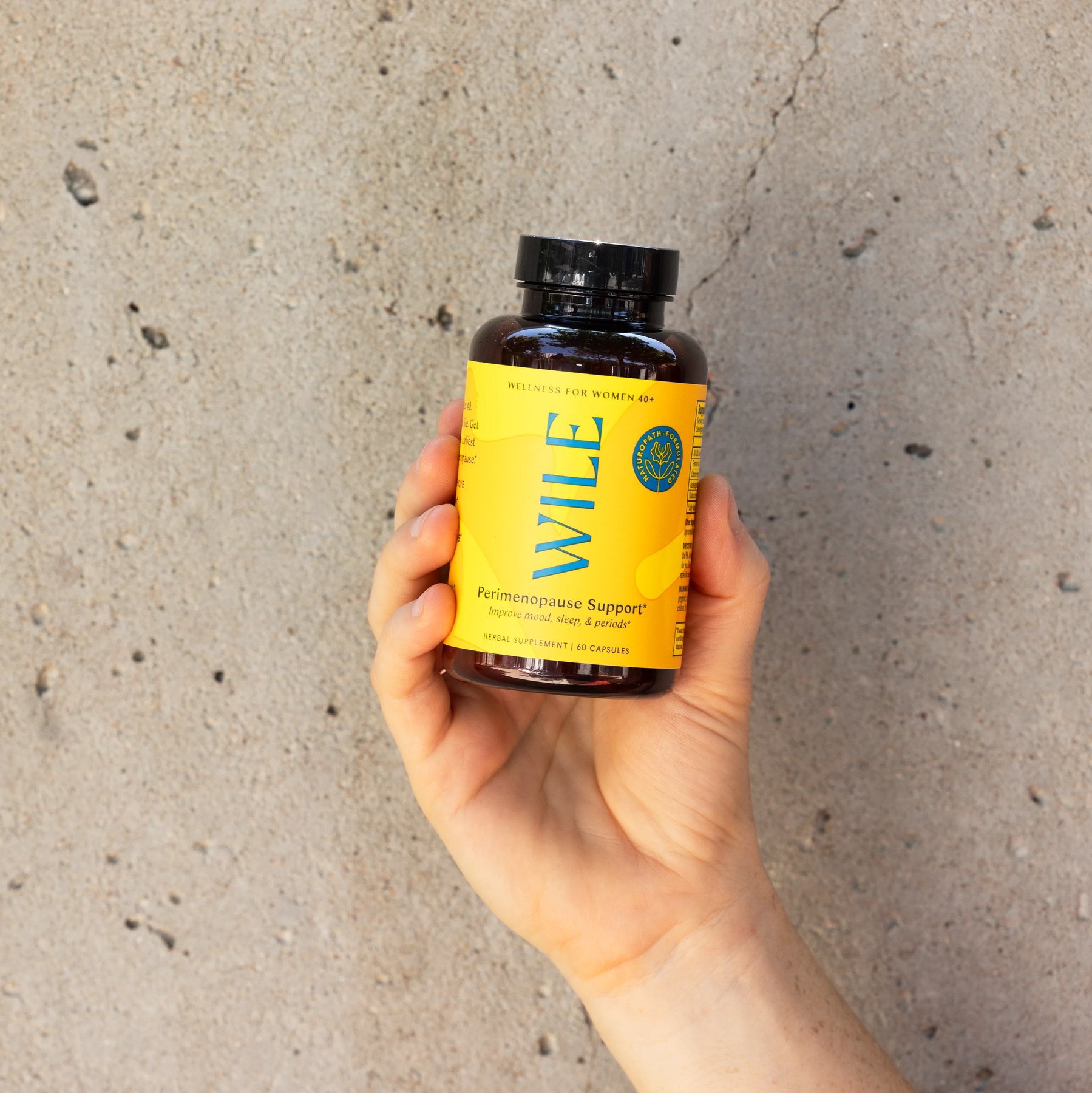
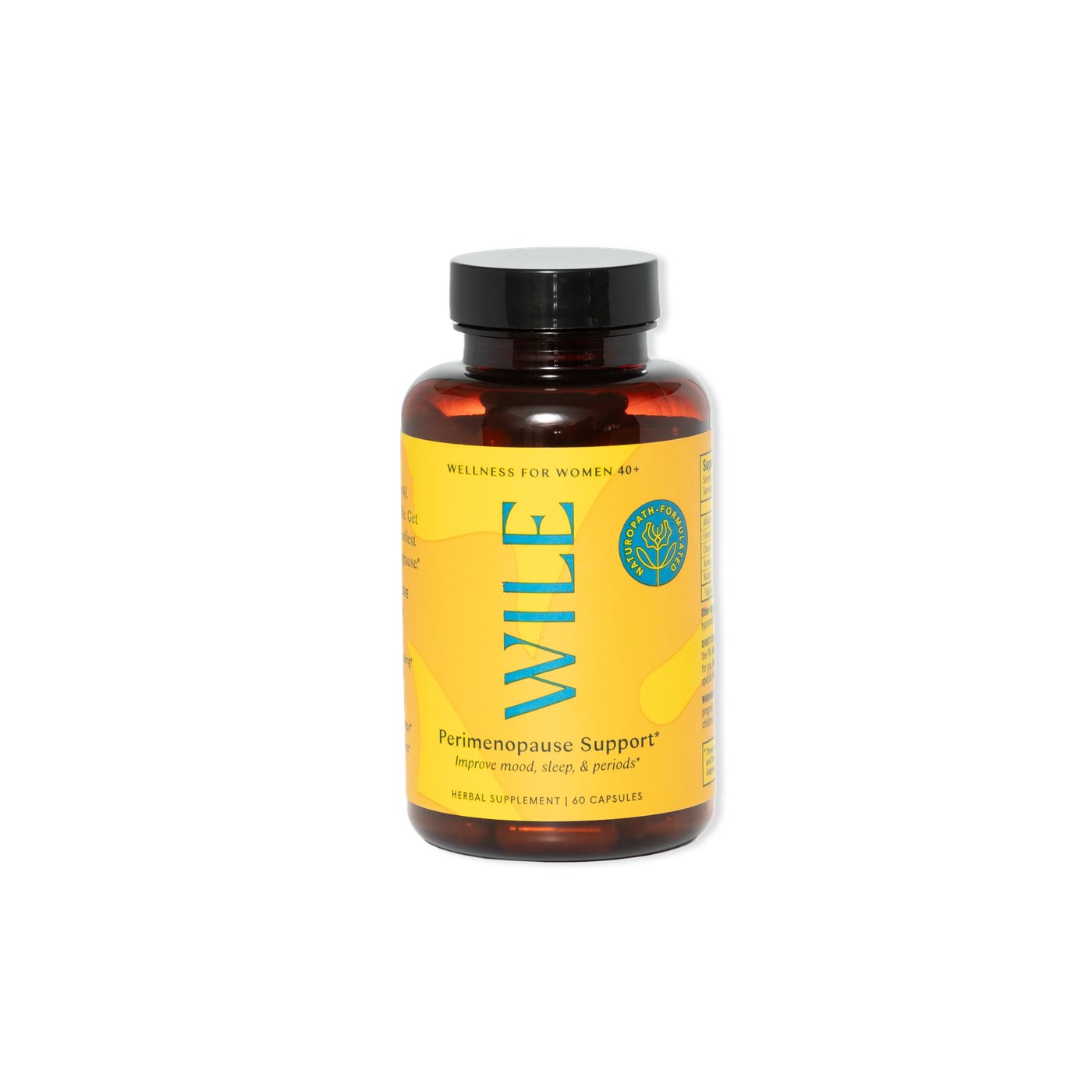
Your site says Perimenopause Support offers help at every stage from pre to peri to post menopause by supporting endocrine, adrenal and nervous systems, and your naturopathic formulator chose kudzu root extract and chaste tree berry extract among others, where are those plants grown and what extract form lands in the capsule.
I will take this one as the formulator’s partner in the room. One product, Perimenopause Support, offers help at every stage, from pre to peri to post menopause by supporting endocrine, aka hormonal, adrenal and nervous systems. We developed the formulas with naturopath Jillian Stansbury using ingredients like kudzu root extract, chaste tree berry extract, dong quai, fennel seed extract and kava.
What lands in the capsule is not whole powdered root scooped from a sack. It is an extract, which means plant material dried, milled, then drawn out with a solvent and dried again to a consistent powder. We state extract on the label where that is what we use, and we keep the supplier specification on file by lot. I want to be plain about traceability. I can name the formula and the extract ratio on the spec sheet, but I cannot yet publish the farm name and harvest date for every lot on the product page. The chain from field to extract to encapsulation has paper at each step, and we hold it, but the customer cannot yet follow the lot number home to the field. That is what it would take to show it fully.
You include cortisol as the other female hormone, acknowledging the stress load on midlife women, and Perimenopause Support is positioned for mood, stress response, sleep and periods at twenty nine dollars and ninety nine cents, what does the label actually claim and what do you ask the buyer to track at home.
Yes, we include cortisol as the other female hormone, acknowledging the stress and responsibility load on midlife women. That language is deliberate. Many women in this grown stage of life carry paid work, caregiving and household management at once. Not old. Not young. Nowhere near done. That is how they describe themselves to us.
The label for Perimenopause Support states support for mood, stress response, sleep and periods, taken as daily systemic capsules. Words matter here. Support means the brand states intended use, not that the capsule treats a condition. We state what the label shows and what plant medicine and clinical studies informed the choice, never what it will do for the reader. Yes. Every Wile product can be used separately or together. What we ask at home is simple and analog. Note sleep timing, note period pattern where still cycling, note what you took and the lot number on the bottle. Bring that record to your clinician. Feel like you again is our promise in plain words, but the label is the document.
You refuse synthetic formulas and off the shelf blends, and you say the products were formulated with a naturopathic physician using adaptogens, phytoestrogens and nervines, what did custom work change in sourcing, minimums and testing compared with buying a stock formula.
Custom work changed everything about sourcing. Not just off the shelf formulations is our line, and we mean it operationally. A stock formula arrives as a finished blend with a set price and a ready certificate. Custom means we choose each botanical, each extract form, each fill weight, then we qualify suppliers one by one.
Adaptogens, phytoestrogens and nervines are categories, not guarantees. An adaptogen is a term brands use for plants studied for stress response. A phytoestrogen is a plant compound that can interact with estrogen pathways in lab models. A nervine is a traditional term for herbs used to support a calm nervous system. On paper, each needs identity testing to confirm the species, plus microbial and heavy metal testing by lot. That testing sits with the raw supplier and is confirmed by a third party lab for the finished batch. Minimums rise with custom blends because extractors run set batch sizes. We accept smaller, slower runs to hold the formula. We would rather work with our bodies, not against them, and we would rather use plant medicine and clinical studies than synthetic formulas.
We would rather use plant medicine and clinical studies than synthetic formulas.
Gwendolyn Floyd and Corey Scholibo and Julie Kucinski
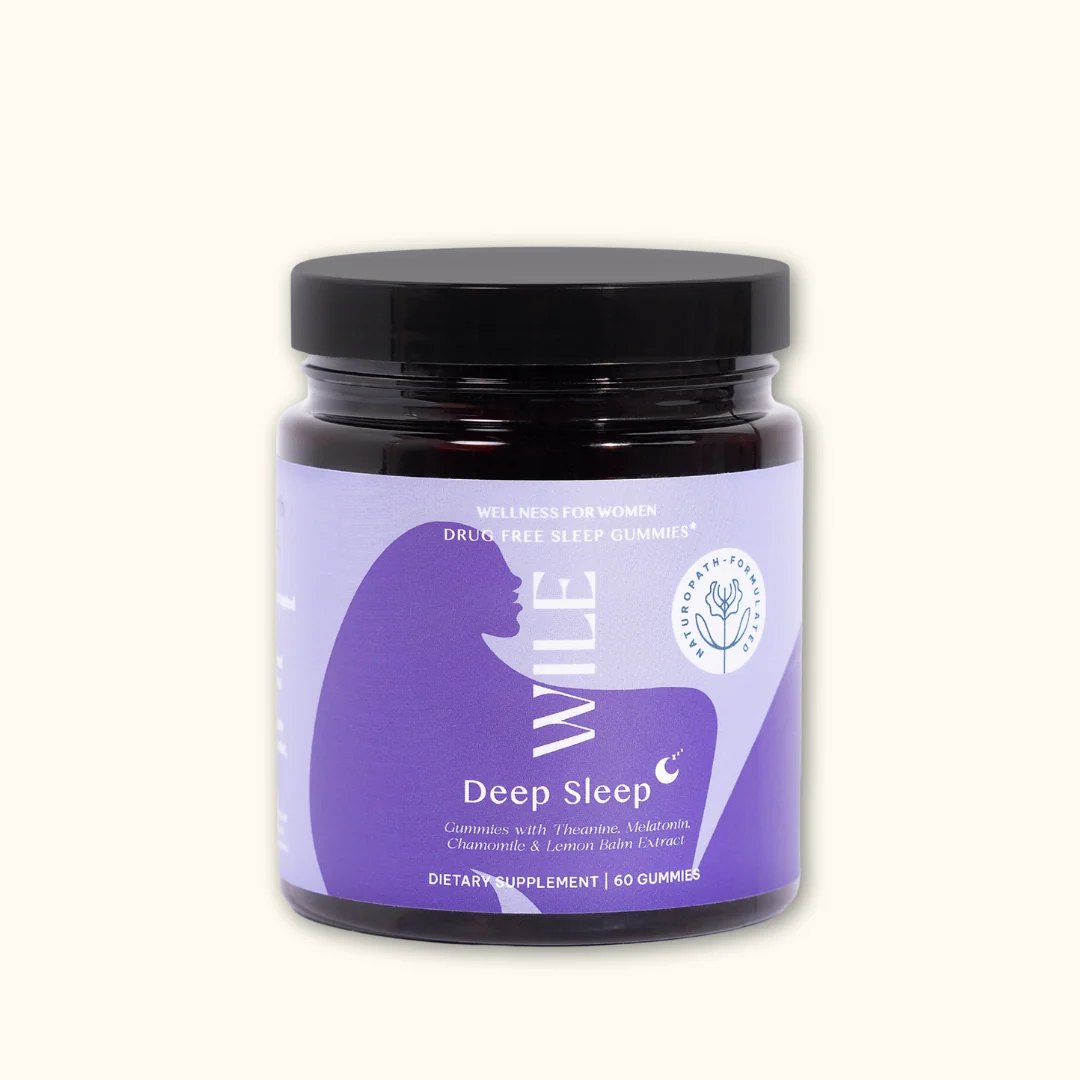
Deep Sleep Gummies blend melatonin, L theanine, chamomile and lemon balm extract in a gummy for nightly use at twenty four dollars and ninety nine cents, why a gummy for this one and what does the other ingredients line reveal about texture, dose and stability.
We focus on mood and stress and perimenopause, and sleep sits at the center of that triangle. Meet Deep Sleep, our gummy formula for your best nights sleep yet. We blend melatonin, L theanine, chamomile, and lemon balm extract to quiet your mind. We chose a gummy because a nighttime ritual matters. A capsule can feel clinical at ten at night. A gummy marks the end of the day.
The other ingredients line is where the gummy truth lives. It lists the sweeteners, gelling starches or gelatin, acids for flavor, and coatings that make chew possible and keep dose even through shelf life. We do not hide that. The Supplement Facts panel shows the actives per gummy and serving size, and the lot code ties that bottle to a fill record. Gummies are harder to hold uniform than capsules because heat, moisture and mixing affect each piece. So we control batch size, test fill weight, and keep the finished certificate on file. Use as directed for nightly use, and store as labeled so texture does not drift.
Your founders speak of mothers and gaslighting, including extreme early menopause with physical and psychological impacts in middle school and a stunning lack of knowledge in clinics, how does that family history shape what you will and will not print on a Wile label.
When I was in middle school, my mother went through very extreme early menopause, suffering incredible physical and psychological impacts. That is my memory and it still informs me. My mom was way more gaslit, but, for me, the lack of knowledge was stunning. It showed me that the world was just an interlocking puzzle of biased systems that really exclude women and people of color.
On a label, that history makes us conservative. We print what we can defend. Botanical name, plant part, extract form where used, amount per serving, serving size, other ingredients, lot number, and use directions. We do not print disease language. We do not borrow drug words. When we say support for endocrine, adrenal and nervous systems, we mean system support as stated on a supplement label, with plant medicine and clinical studies behind the choice of ingredients. If a claim needs a clinic visit, we say see your clinician. The label is small. The trust has to be large.
Editors notes in your category cite an average of four hours of menopause study in medical school and surveys where fewer than ten percent of gynecologists felt prepared for perimenopause care, plus lists of up to thirty six symptoms, how do you train customer care to answer without diagnosing.
We train to the document, not to the symptom. The context you cite is real in our files. OB GYNs study menopause for an average of four hours in medical school. In a study, less than ten percent of gynecologists said they felt prepared to work with perimenopause or post menopausal women even after residencies. Perimenopause can have up to thirty six symptoms. That is why women arrive with long lists and short appointments.
Our rule is simple. We explain what the product is, how it is used separately or together, what the label states, and where to find the lot number. Yes. Every Wile product can be used separately or together. We do not interpret symptoms or name a life stage for a customer. We provide the ingredient list, the Supplement Facts panel, and questions to bring to a clinician. We keep records of questions we cannot answer well, and we revise the FAQ so the next answer is clearer. Being one hundred percent true to your mission and serving the customer first, not a spreadsheet, means saying when the right answer is not ours to give.
Grove Collaborative put Wile beside household staples at launch, and your price points sit near thirty dollars for daily capsules and twenty five dollars for gummies, what did retail readiness require in barcodes, seals, shelf testing and batch paperwork.
Retail readiness was unglamorous and exact. Grove Collaborative and our own e commerce site both needed the same backbone. Accurate Supplement Facts panels, allergen statements where required, net quantity, directions, lot coding, and a finished certificate tied to each batch. Shelf testing meant holding samples under set temperature and humidity, then checking taste, texture and assay over time.
Third party seals are not all equal, and we say that plainly. Some verify good manufacturing practice. Some test a finished lot for identity and contaminants. Some audit a facility once a year. We keep certificates of analysis for raw lots and finished batches, heavy metals and microbes included, and encapsulation records that show fill weight by lot. Our price reflects custom formulation and small runs with full testing. Our goal is to serve as many women as possible, but, at the same time, we want to give them efficacious ingredients. Access matters, and so does the file behind the bottle.
If a careful buyer keeps only two Wile products on a small shelf for years and reads every line, what should she check on arrival, how should she store them, and what would it take for you to show field to capsule for every lot.
Check three things on arrival. First, the Supplement Facts panel and the other ingredients line, and that the seal is intact. Second, the lot number and expiration date, and that they match the outer seal record where printed. Third, the directions and the statement that products can be used separately or together, so the routine fits the household. Store cool and dry, away from steam and light, with the lid closed. Use as directed and keep the bottle until it is finished so the lot stays traceable.
What it would take to show field to capsule for every lot is not mysterious. Published grower or wildcraft region by ingredient, harvest year, extract ratio and solvent, finished assay, third party lab name, and a lot lookup that ties the bottle in hand to those pages. We hold much of that paper now by lot. Publishing it lot by lot is the next step. We refuse to call anything pure or natural without saying what it means. If we print it, we will show the document behind it.
Closing note from the desk
What stays with the desk is the poll that started it, and the discipline that followed. Wile named a customer the market had filed under too old to court, then built custom plant formulas with a clinician, tested by lot, and sold them with labels that state support without promising treatment.
The chain is not yet fully public lot by lot, and the founders say so. Seed to Capsule credits what is traceable here, the extract forms, the finished certificates, the lot codes, and names what is not yet, the published field names and harvest dates. That honesty is the reason to keep watching.
Product spotlight
Perimenopause Support, twenty nine dollars and ninety nine cents, daily capsules for pre to peri to post menopause. The label states support for mood, stress response, sleep and periods, with botanical extracts chosen with a naturopathic physician. Take as directed as a daily systemic routine, alone or together with other Wile products, and keep the lot number with your notes.
Deep Sleep Gummies, twenty four dollars and ninety nine cents, gummy formula for nightly use. The blend lists melatonin with L theanine, chamomile and lemon balm extract to quiet your mind at bedtime. Take as directed in the evening, read the other ingredients line for texture and sweeteners, and store cool and dry to hold shape and dose.

Kristen Decker
Kristen produces the interviews at Seed to Capsule: the research, the supplier maps, the follow-up calls. She asks for the name of the farm early in every conversation, and writes it down before the founder can change the subject.
More from Kristen Decker →