Every capsule, traced back to the field. In this case the field is a kitchen table, a hospital visit and two years of tinkering, followed by three launches of a small green shot that promises focus, energy and calm. We ask where each part comes from and what the paperwork shows.
In 2017, after Airbnb acquired his crowdfunding company Tilt, James Beshara made a decision to stop running on coffee and start studying it. {.dropcap} He had been drinking seven cups a day. That habit ended with a racing heartbeat, measured at more than 170 beats per minute for three weeks, and a trip to the ER. For a software founder used to moving fast, it was a hard stop.
What came next was slow. Beshara spent two years tinkering with what became Magic Mind before he called it a business. He describes three separate launches, each more fleshed out than the last, and nine early months running inventory and cash flow in the dark before he hired financial help. The result is a direct to consumer mental performance shot sold around the world.
What others miss is how much of this story is about supply, not story. The brand talks about nootropics, adaptogens, vitamins and functional mushrooms in a proprietary blend. It talks about clinically backed ingredients and stable energy through the day. It says less about growers, extraction ratios, lots and labs. That is where Seed to Capsule stays. We asked Beshara what can be traced, what is still opaque, and what it would take to show it.
You drank seven cups of coffee a day until your heart raced at more than 170 beats per minute for three weeks and you went to the ER. What did that period teach you about caffeine, and what did you decide to research next.
I learned that more stimulation is not more output. I was running Tilt, living on coffee, and I thought fatigue was a willpower problem. Then my heart would not slow down. Three weeks above 170 beats per minute will change how you think about energy. The ER visit forced me to ask a different question. Not how do I push harder, but how do I get focus without the spike and the crash.
So I started reading about coffee, caffeine and productivity. I looked at plant medicine. I talked to people who thought about attention and calm as one system. I did not set out to start a beverage company. I set out to fix my own mornings. I spent two years tinkering with ingredients in small combinations, trying to keep the alertness I liked from coffee and lose the jitters. That tinkering period is the real origin. No name, no label, just testing what a morning could feel like if it was steadier.
You spent two years tinkering before you called Magic Mind a business, then launched three times. What changed between launch one, two and three, and when did repeat purchase tell you it was ready.
The first or second version does not need to hit a 60 percent repeat purchase rate, but when you are ready to go all in, it does. That line has guided me. Early on I had a software mindset. Ship, learn, fix. The first launch was rough. The taste was harder. The supply was fragile. The second was better but still not something people reordered without prompting.
What changed was discipline about the product and the operations. We tightened the formula. We tightened the inventory planning. I spent the first nine months virtually in the dark on financial and inventory cash flow topics before I brought on a strong financial consultant and advisor, and that changed everything. By the third launch we had something fleshed out enough to stand behind. Like Airbnb, Magic Mind had three separate launches, with each iteration becoming more fleshed out. When people subscribed on their own, without a discount pushing them, I knew we had something worth scaling.
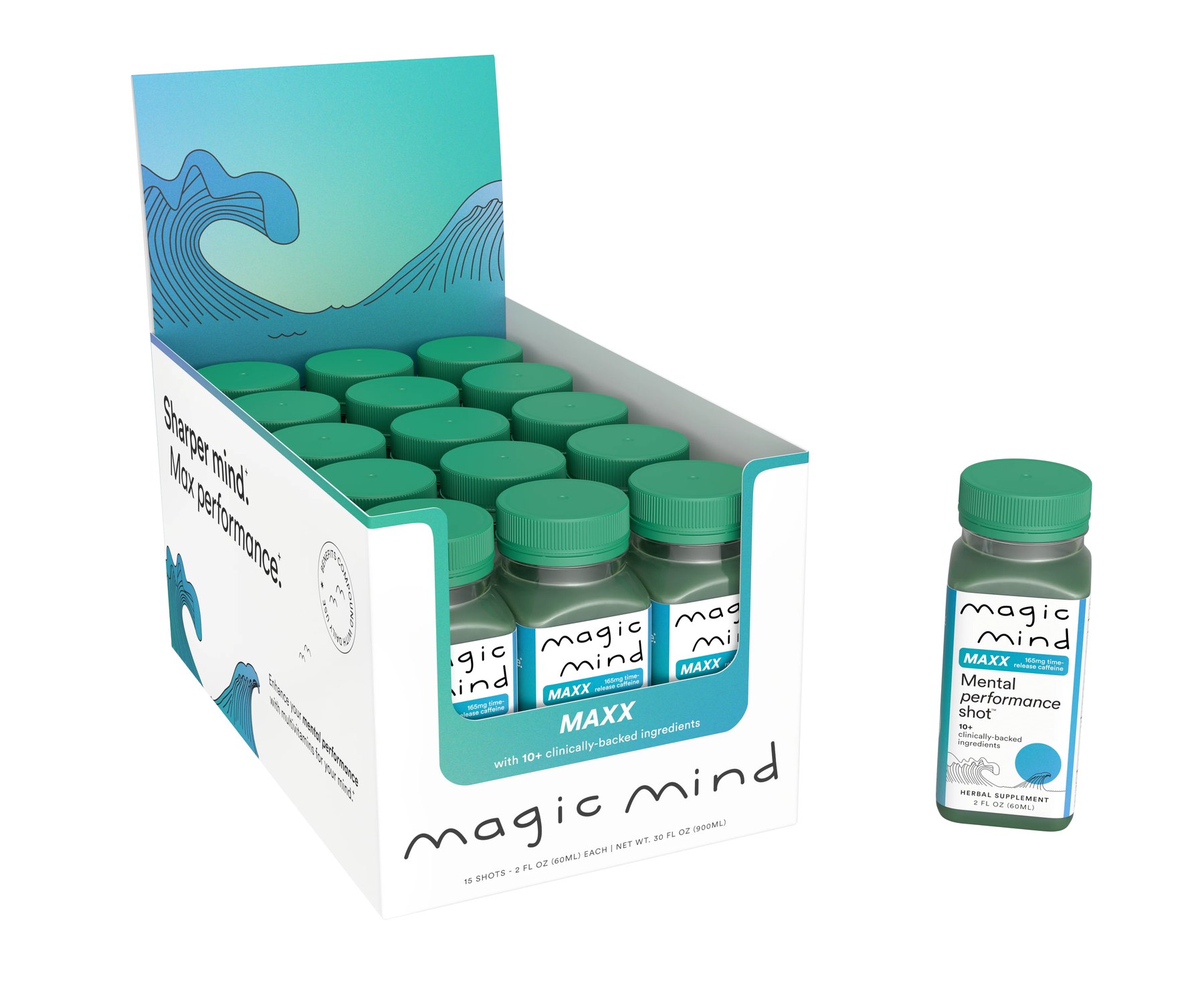
You describe Magic Mind as a mental performance shot for flow states and productivity. On your store today the core is Original and MAXX. What is in that small bottle, in plain terms, and how is it supposed to fit with coffee.
At its simplest, it is a daily shot that combines nootropics, adaptogens, vitamins and, in MAXX, functional mushrooms. The brand language we use is mental performance shots, flow states and productivity, and clinically backed ingredients. The stated aim is focus, energy and calm without jitters or crashes, and stable energy throughout the day.
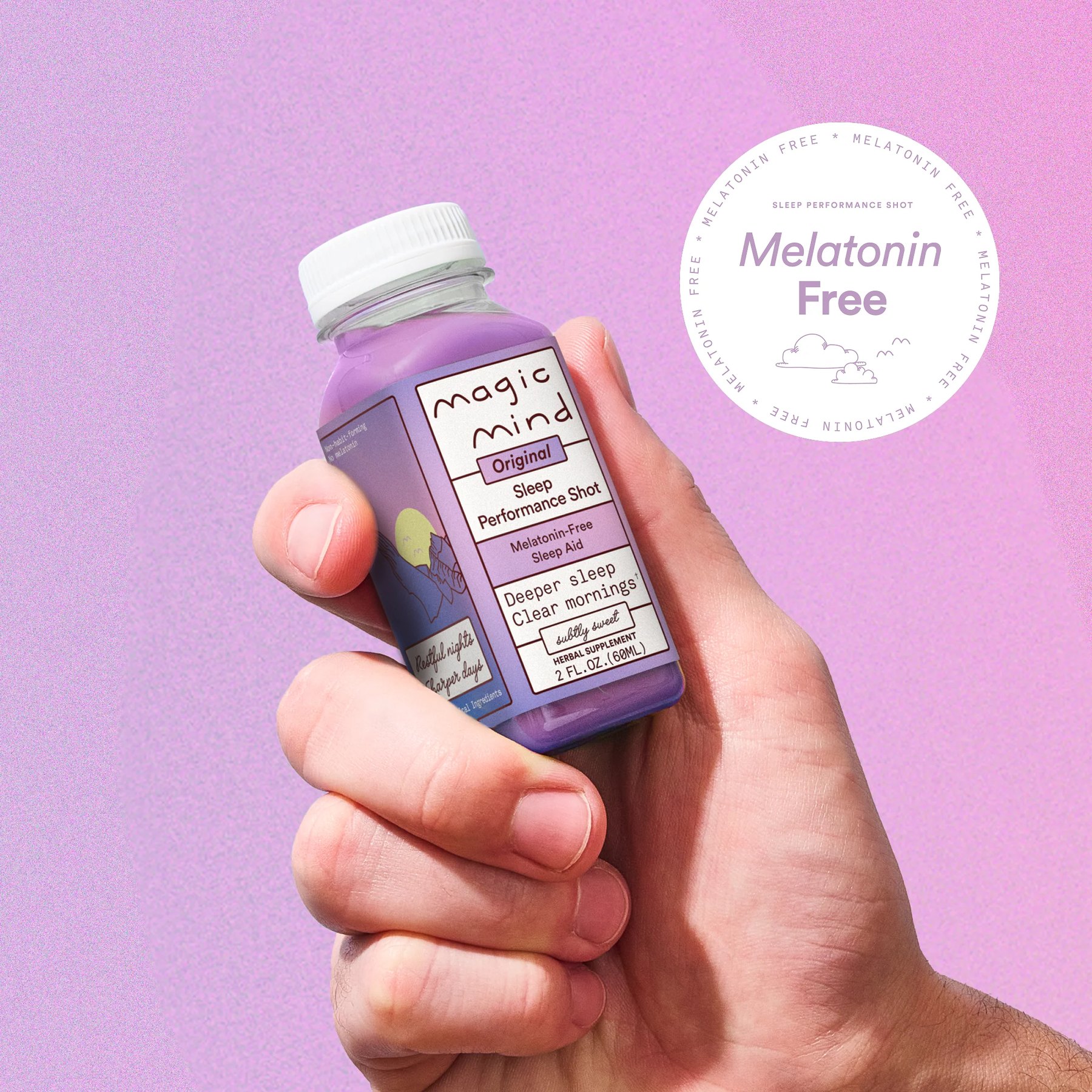
How it fits with coffee is specific. Original contains some caffeine from green tea, paired with L theanine and other supporting ingredients. Many customers still drink coffee, but less of it, or later in the morning. We also make a caffeine free version called Magic Mind FREE for afternoons or for people who avoid caffeine. The shot is two to three ounces. You drink it in the morning, often with or instead of a first cup. I still like coffee. I just do not want seven cups making decisions for me.
Seed to Capsule follows ingredients backwards. Your label lists a proprietary blend of nootropics, adaptogens, vitamins and functional mushrooms. Can you name the growers and the country of origin for the main botanicals, and walk us through harvest to extract.
I wish I could give you a clean map with every farm named. The honest answer is that part of our chain runs through brokers and contract manufacturers, which is normal for a small beverage brand but still opaque. We work with suppliers who source botanicals like green tea, ashwagandha, bacopa and mushrooms from different regions depending on season and lot. They arrive as dried material, then they are extracted to a powder or liquid concentrate before blending.
What I can say is the step we control most is the finished formula and the finished testing. The step I want to make more traceable is the farm step. Where exactly was this lot grown, when was it harvested, what was the extract ratio, is it standardized to a marker compound. Right now a customer cannot read that from our label. To show it we would need to publish lot level origin and a certificate of analysis for each key input, not just the finished shot. That is work I want to do. It takes supplier agreements and a different way of buying.
That opacity matters to our readers. When an adaptogen powder becomes part of a shot, what extraction method is used, water, alcohol or something else, and what solvent residues or fill weights should a careful buyer look for on documents.
Different botanicals need different methods. Some are water extracted, some use ethanol and water, mushrooms are often hot water extracted and then dried. The method changes what ends up in the powder. Water pulls certain compounds. Alcohol pulls others. Heat and time change yield. Our suppliers choose the method by ingredient, then we blend those inputs into a liquid shot, not a dry capsule, so fill weight means fill volume plus solids per bottle.
What should a buyer look for. First, the Supplement Facts panel and the Other Ingredients line, which show amounts and excipients. Second, whether a proprietary blend lists total blend weight but not individual doses, which is allowed but leaves dose unclear. Third, paperwork for solvents, microbes and heavy metals. If a brand cannot show a certificate of analysis with limits and results for a given lot, treat words like pure as marketing. I would rather say what we test than ask people to trust a word.
To put it bluntly, getting someone to subscribe to a high quality product requires a fraction of the effort it takes to sell an average or mediocre product over and over.
James Beshara
You use the phrase clinically backed ingredients. What does that mean on your label, and what testing do you run lot by lot for identity, heavy metals and microbes before a batch ships.
Clinically backed, as we use it, means individual ingredients have been studied in published human research at some dose, not that our finished shot has been through a drug trial. That distinction matters. Supplements are regulated as food, not drugs. We state what the brand intends, focus, energy and calm, and what the label shows. We do not claim to treat anything.
On testing, every production run goes through standard food safety checks at our contract bottler, including micro testing, and our suppliers provide specifications for identity and contaminants. We also do finished product checks for consistency. What we do not yet publish is the full lot packet a Seed to Capsule reader wants: identity method, heavy metal results with limits for lead, cadmium, arsenic and mercury, micro results, and caffeine assay. Despite a decade of progress in eComm, there are so many issues to be resolved on the subscription side of things. Luckily, Skio is tackling this space head on. I would say the same about supply transparency. The tooling is still catching up.
Your store now lists Original, MAXX, a sleep shot and merchandise like caps and tees. Reports describe growth from a four million dollar run rate with one full time employee to a 100 million dollar brand with ten people. How did you keep a perishable, multi ingredient shot in stock through that scale without loosening specs.
By staying small on headcount and tight on a few partners. I have been investing for 10 years, with each investment bringing a fresh opportunity to refine how I do it. I ran Magic Mind the same way. Few people, clear roles, outside experts for finance and operations, and a contract manufacturer who could bottle consistently.
The risk with a multi ingredient liquid is drift. One extract changes, taste shifts, caffeine moves a few milligrams, sediment settles. We locked specifications for Brix, pH, fill volume and sensory, and we held safety stock on long lead ingredients. We also learned to plan cash flow around inventory, because a shot ties up cash in glass, ingredients and warehouse space. Growth made us more conservative on specs, not less. If a lot did not meet spec, it did not ship. That is easier to say with ten people than with two, because you finally have someone watching the paperwork full time.
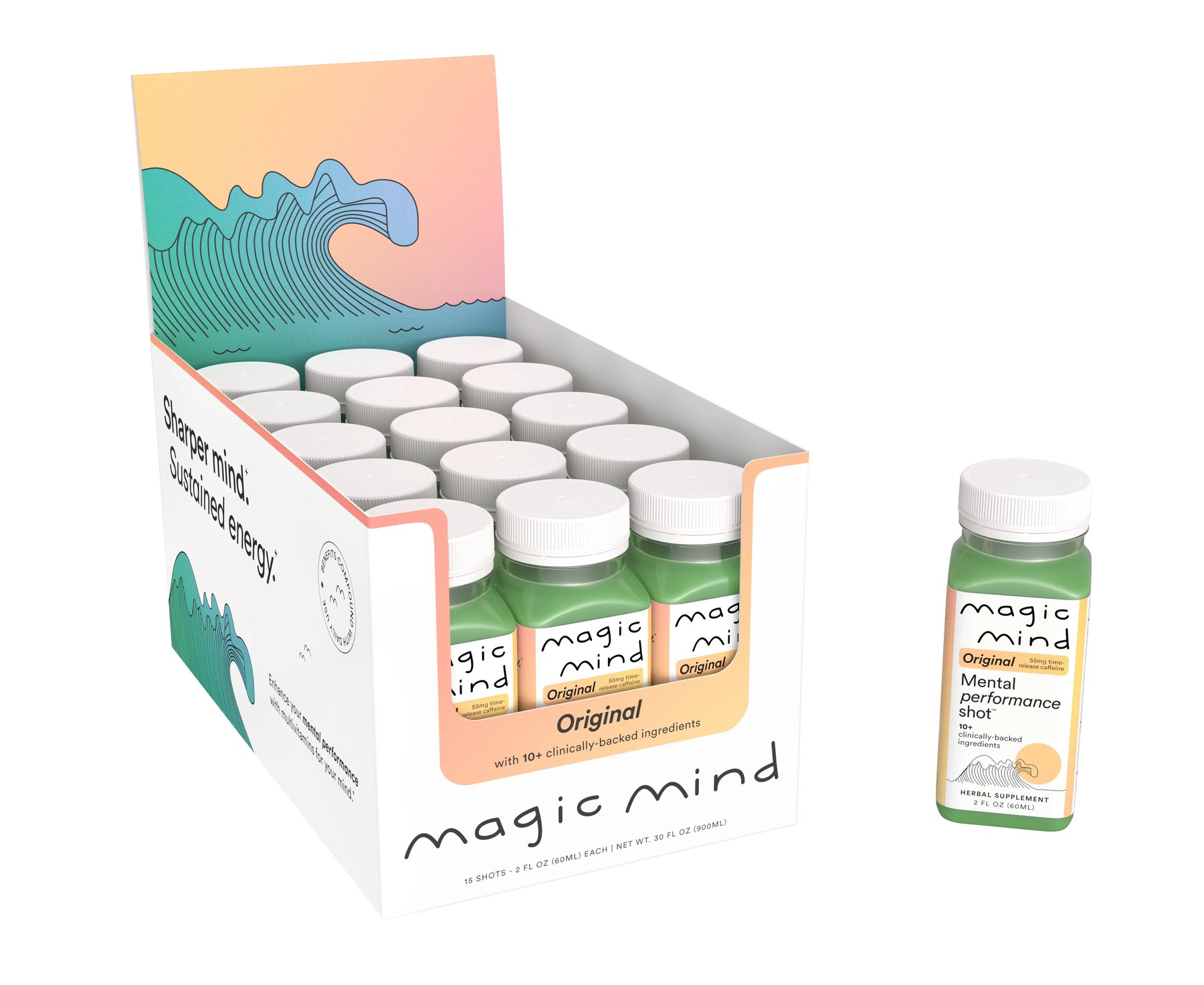
Taste and stability decide whether people keep drinking a shot. What did you change in sourcing or process to make Original drinkable every day, and what do you still want to improve in MAXX.
Taste was the hardest early problem. Botanicals like bacopa and ashwagandha can be bitter. Mushroom extracts can be earthy. Vitamins add their own notes. Our first versions were functional but hard to love. We changed sweetener balance, acid balance and flavor masking without trying to make it candy. We also changed particle size and blending order so the shot pours the same from the first bottle in a lot to the last.
MAXX added complexity. More actives in the same small volume means more interaction. What I still want to improve is clarity about dose. A proprietary blend keeps the recipe simple on the label, but it leaves a careful reader guessing how much bacopa or lion’s mane is actually there. The next step is either to break out more doses or to publish the ranges we target by lot. Stable energy throughout the day is our phrase. I want the paperwork to show why that phrase is fair, lot after lot.
If a reader keeps one shelf of products for years and buys for a household, what should they read on your label before they subscribe, and what would it take for you to publish farm, extract and lab data by lot.
Read the Supplement Facts panel first, then the Other Ingredients line, then the caffeine line. Check serving size, servings per container, total caffeine, and whether you are looking at Original, MAXX or FREE. If you are sensitive to caffeine, choose FREE or drink it earlier. If you buy for a partner or parent, read allergen and sweetener lines with them. Keep the lot code and best by date until the case is finished. That is how any question gets answered.
What would it take to publish more. Three things. First, supplier contracts that require origin, harvest date, extraction method and extract ratio for each key input. Second, a third party lab program that tests identity, caffeine, heavy metals and microbes on every lot and posts the summary by lot code. Third, a label change to break out doses where we can without giving away the exact recipe. To put it bluntly, getting someone to subscribe to a high quality product requires a fraction of the effort it takes to sell an average or mediocre product over and over. Publishing the chain is part of quality. We are not there yet, but that is the shelf we want to earn.
Closing note from the desk
What stays with us is the candor about what is not yet traceable. Beshara can name the habit that started this, the two years of tinkering, the three launches and the nine months in the dark on cash flow. He cannot yet name every grower by lot, and he says so. That honesty is rare in a category built on adjectives.
Magic Mind set out to replace seven cups of coffee with a smaller, steadier morning. The next work is documentary. Publish the farms, the extraction methods, the assays and the limits. Until then, read the label as it is: a proprietary blend with a clear caffeine path and a founder willing to be asked where it comes from.
Product spotlight
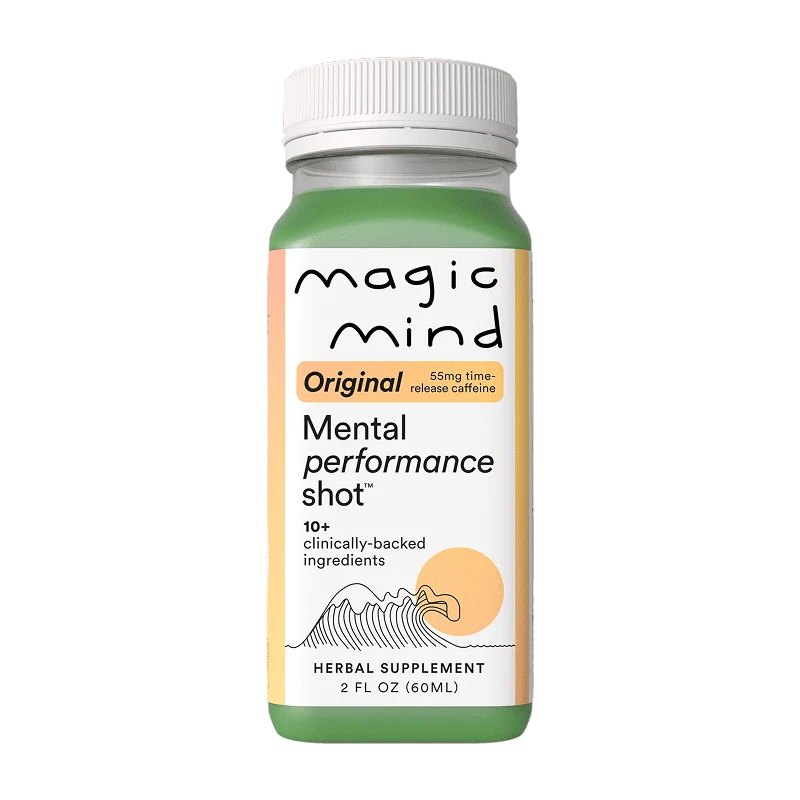
Magic Mind Original is a two ounce morning shot sold as 15 bottles for 74.25 dollars. The label lists a proprietary blend of nootropics, adaptogens, vitamins and caffeine from green tea. The brand states it supports focus and steady energy. Drink one bottle in the morning, chilled, shaken, with or in place of coffee.
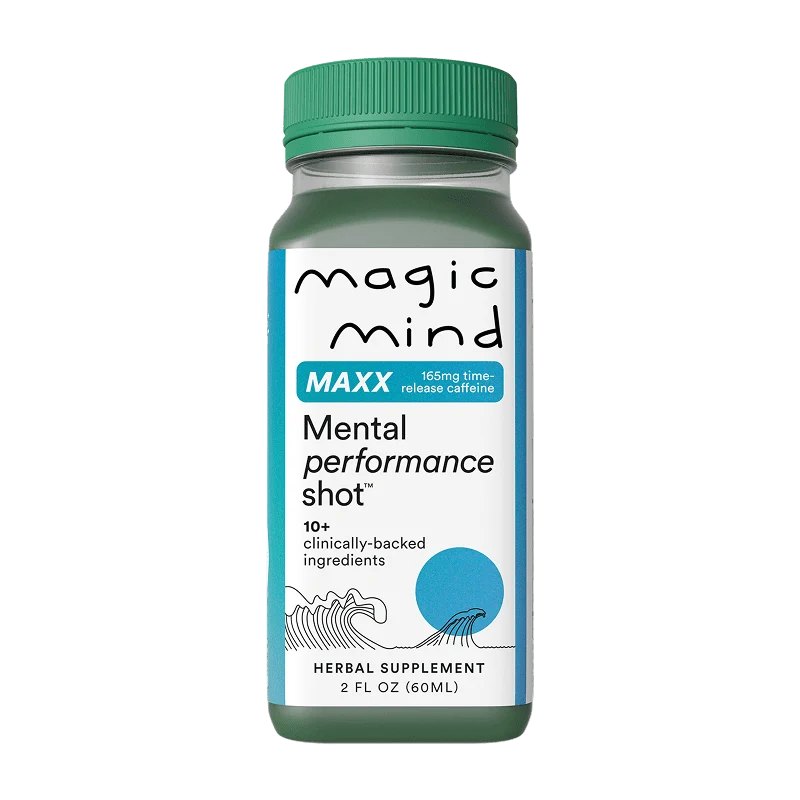
Magic Mind MAXX is a two ounce morning shot sold as 15 bottles for 74.25 dollars. The label lists a proprietary blend with added functional mushrooms alongside nootropics, adaptogens and vitamins. The brand positions it as the stronger daily formula. Drink one bottle in the morning, chilled, shaken, and check total caffeine before adding coffee.

Kristen Decker
Kristen produces the interviews at Seed to Capsule: the research, the supplier maps, the follow-up calls. She asks for the name of the farm early in every conversation, and writes it down before the founder can change the subject.
More from Kristen Decker →