Just because it is common does not mean it is normal. That line from Julie Sawaya keeps returning through this conversation, and it reveals how Needed reads a lab result.
Just because it is common does not mean it is normal. When Julie Sawaya says it, she is talking about the red bars on her own at home nutrient test in 2016.
She and Ryan Woodbury had met as next door neighbors in their first year at Stanford Business School. Both had come from finance and investing, both had pursued nutrition certifications on their own, and both shopped at the farmers market with intent. They expected the tests to confirm they knew their stuff. Instead almost every nutrient sat in the red zone. For two careful eaters, the result did not read as personal failure. It read as a problem in what the label promises and what the body holds.
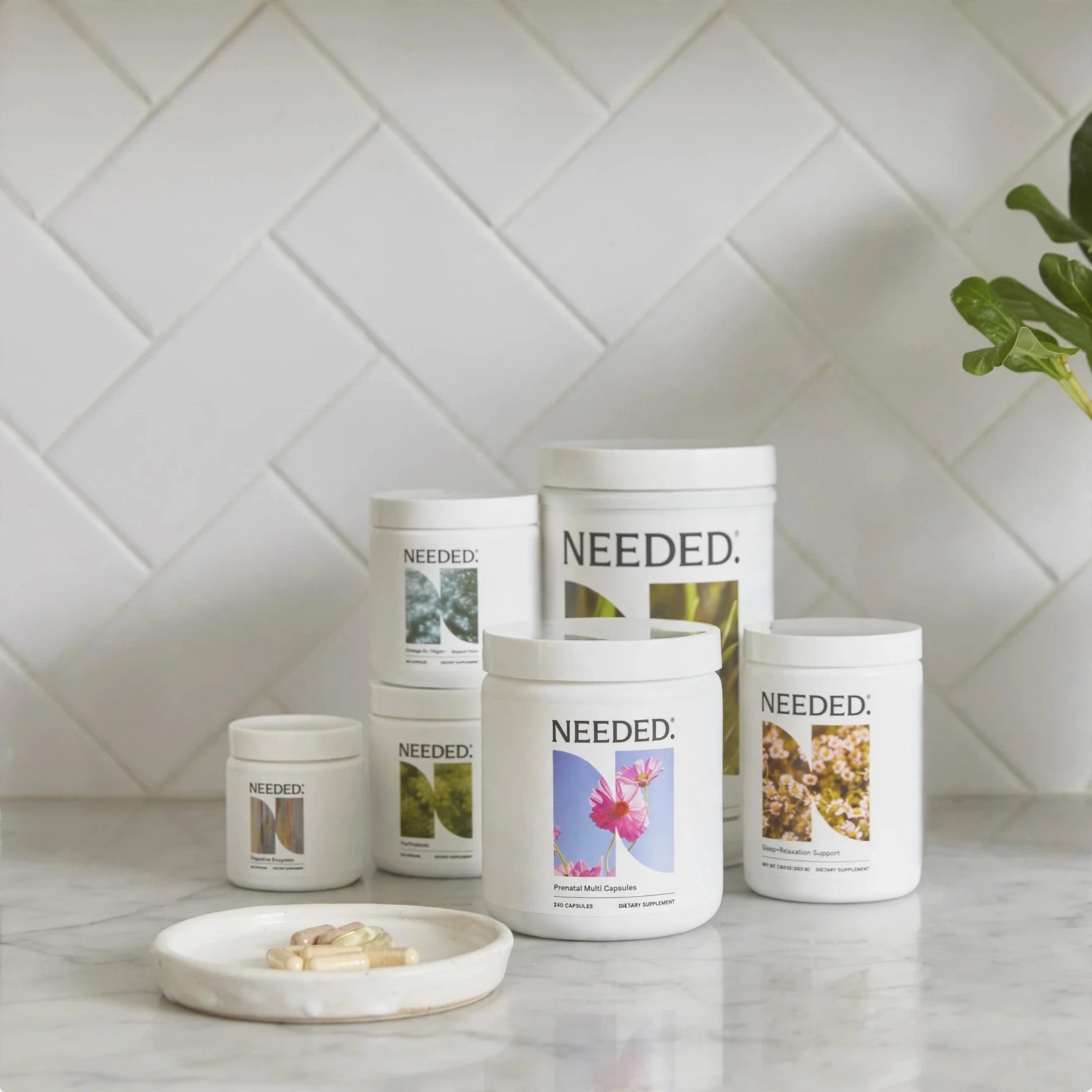
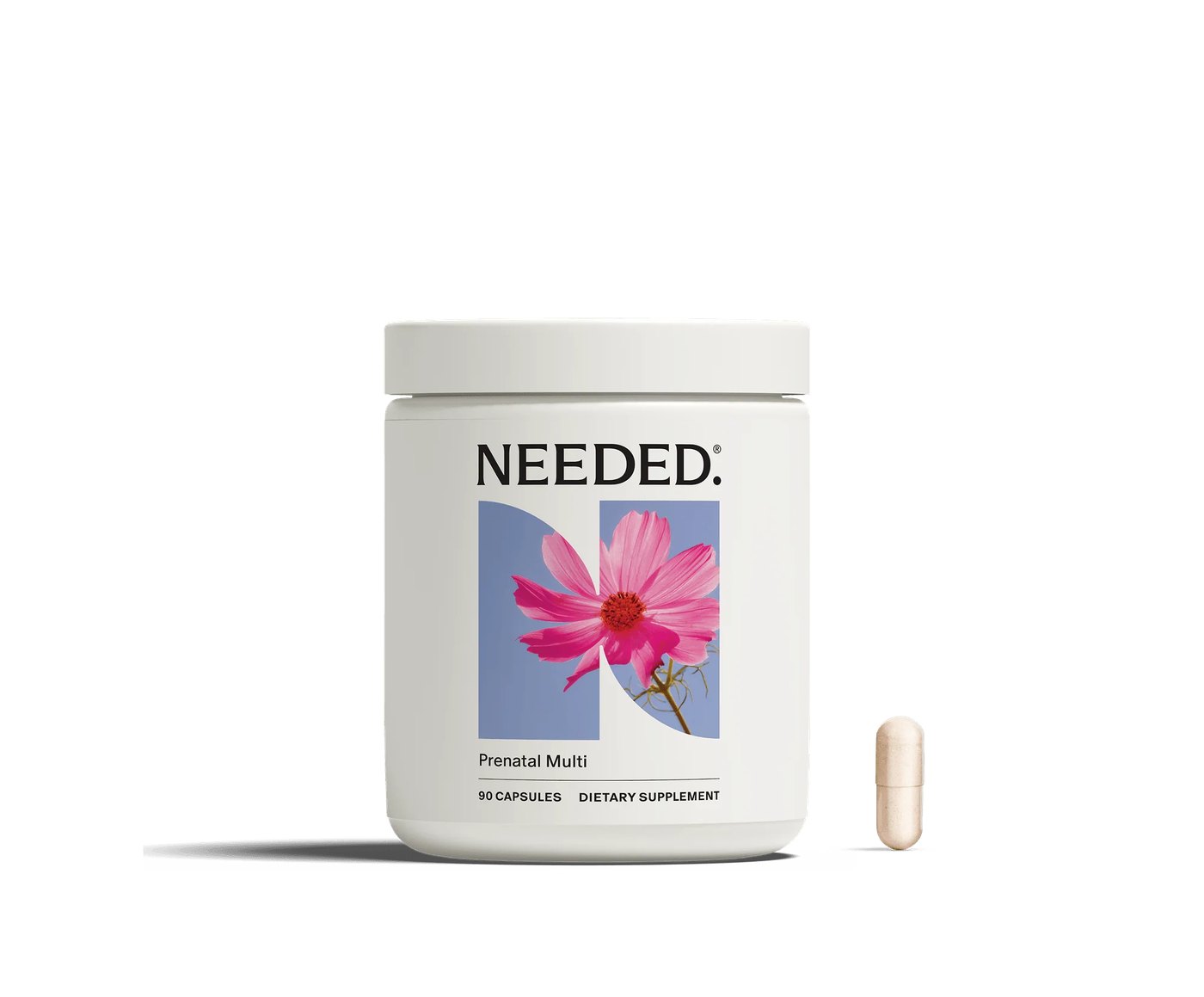
What they built from that result is now known as Needed. The brand describes itself as a women led team of nutrition nerds, mothers to five young children, working with a collective of more than 20,000 practitioners who test nutrient and hormone levels. The core is called the Nutritional System, anchored by a Prenatal Multivitamin with 22 nutrients in three daily capsules and a companion omega 3. The stated promise is radically better nutrition to address depletion before, during and after pregnancy, designed around what the founders call optimal nourishment rather than the minimal amount needed to avoid disease.
What others miss is the paperwork behind the language. Seed to Capsule follows a capsule backward to the field, the extraction, the lab and the label. Needed invites that reading. Every batch is third party tested, every nutrient form and dose was vetted through clinical research and practitioner interviews, and the founders can point to several hundred conversations with OBs, midwives, naturopaths, nutritionists and dietitians from their second year at Stanford. Where the chain is still hard to see from the outside, this interview says so plainly.
You met as next door neighbors in your first year at Stanford Business School, both from finance and both with nutrition certifications. What did that shared hallway make possible that a lab alone could not.
We met as next door neighbors actually our first year at Stanford Business School. That matters because we were living the same student life, walking the same hallway, shopping at the same farmers market, and beginning to think about our journeys to motherhood. We were surprised to find just the lack of nutritional support. We both came from finance and investing, so we knew how to read a market, and we had both pursued nutrition training because we cared about it personally.
Stanford gave us a way to test the idea instead of just talking about it. In the second half of second year we used classes to vet the concept. There is no replacement for that one on one consumer or practitioner in our case interview. We did several hundred of them. We sat with women and with OBs, midwives, naturopathic doctors, nutritionists and dietitians. We wanted to better understand and meet the needs of our consumer. What we heard, again and again, was that prenatal vitamins really are not cutting it for the vast majority of women. That hallway turned into a research project, and the research project turned into three years of development before we sold anything.
You both ran at home nutrient tests in 2016 expecting confirmation, and instead almost every marker came back depleted. Walk us back to that lot, that kit, that kitchen table moment.
In 2016 at home testing was becoming accessible. We ordered the kits thinking it would confirm we knew our stuff. We ate well, we read labels, we were intentional. Then the results came back and we were both massively depleted, with almost every nutrient in the red zone. It was humbling. You would think your prenatal supplement would make up the difference, but ours showed it did not.
That is when we started asking why nutrition for fertility, pregnancy, and postpartum is so overlooked. We learned that 97 percent of pregnant women take a prenatal vitamin, and yet 95 percent are nutritionally depleted. Just because it is common does not mean it is normal. It means the paradigm is set too low. We think sort of the perinatal nutrition paradigm, at least in the US right now, is enormously broken. Most prenatals are designed around RDAs to avoid disease, not to support optimal levels. We decided we would rather design around optimal nourishment, even if it took longer and cost more to explain.
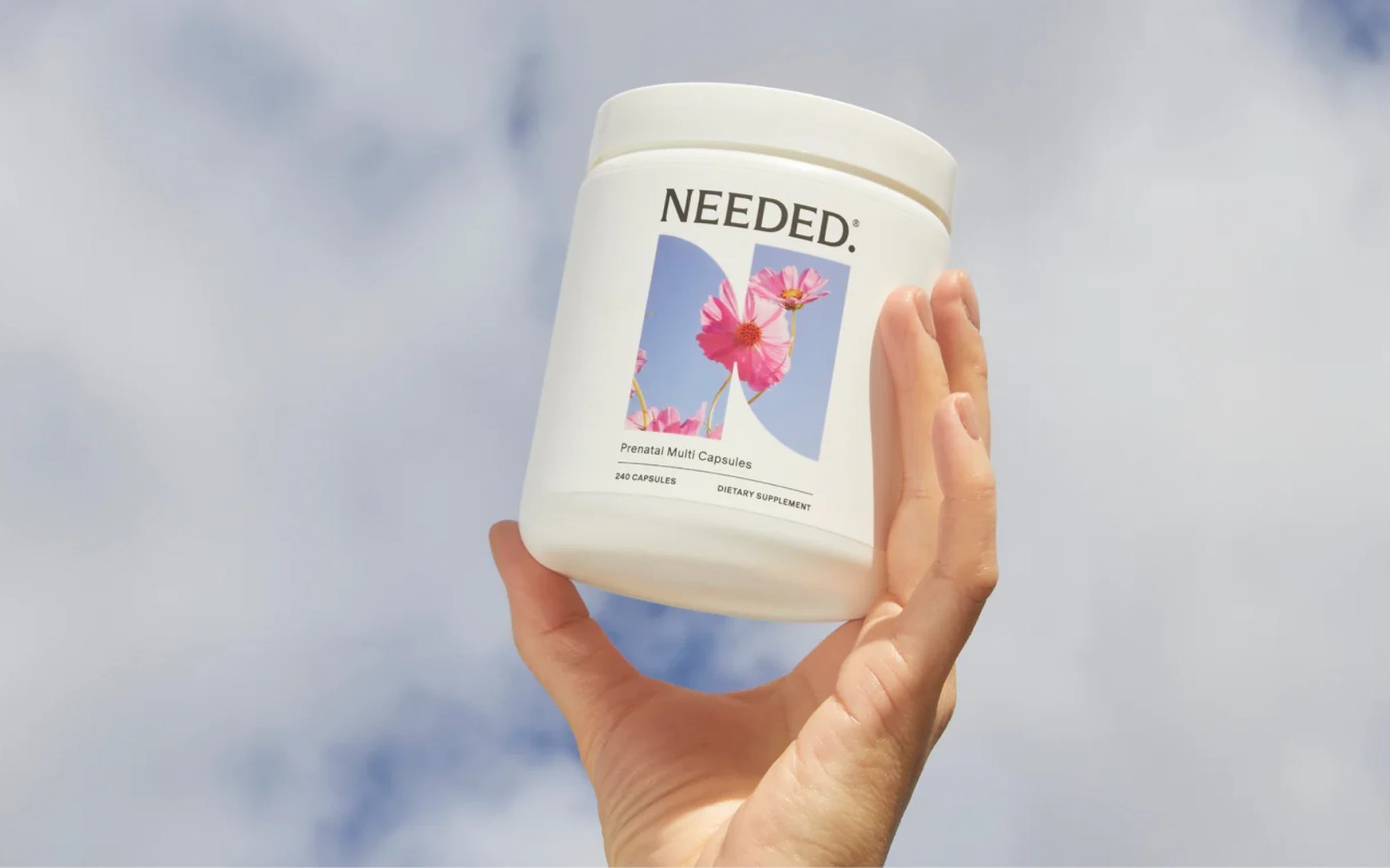
You say most prenatals are designed around RDAs and around pill count, price point and margin. Your Prenatal Multivitamin instead holds 22 nutrients in three capsules a day. How did you choose that fill weight.
We refused to start with pill count. A lot of products are white labeled standard prenatals with only branding tweaks, built to fit one or two pills and a price. We started with the clinical research and with practitioners who test levels every day. We vetted every nutrient form and dose, one by one. Some nutrients needed higher amounts than the RDA to reflect studied levels. Some needed lower amounts, because more is not always better. Folate is the example we return to. We would rather dose lower on folate when lower is optimal than chase a high dose trend.
Three capsules was the result, not the brief. It allowed us to include 22 nutrients at what we call clinically studied dosages, which we describe as eight times more nutrition than the average of leading prenatals. The same formula exists as a vanilla powder, one scoop daily, for people who cannot swallow pills. And we refuse to make products that cannot be taken together as a system. The multi, the omega 3, iron, choline, all of it has to work as one Nutritional System. That constraint is harder. It means you cannot hide an overlap or an excess in a single SKU.
Your practitioner collective now counts more than 20,000 people who test nutrient and hormone levels. What did those charts teach you that textbooks did not.
Textbooks give you ranges. Practitioners show you lots. They see test after test, woman after woman, with the same pattern of low vitamin D, low magnesium, low choline, low omega 3 status, even when diets look good. They also see how depletion carries from trying to conceive into pregnancy and then into postpartum, when sleep is short and breast milk draws on stores. Nutrition has the power to change health outcomes for mothers and babies, but only if you measure it.
Doctors really are not trained on nutrition, we have utmost respect for MDs, but their training is largely not focused on nutrition. The average prenatal visit in the US is about 12 minutes long. That leaves time for only bare minimum advice. So we leaned on the people who spend an hour on intake and who retest. Over three years we brought them papers, they brought us cases, and we revised. That loop is what we now call the Needed Standard. It is not a seal. It is a method. Review the clinical research, check the form for absorption and tolerance, confirm it fits in the system, then test the finished batch.
Folic acid has to be converted by the body to L-5-methyltetrahydrofolate, and you note genetic variation can make that conversion difficult. How does that chemistry show up in your choice of folate form and dose.
This is where the label has to prove the thinking. Folic acid is synthetic. To be used, it must be converted in the body to L-5-methyltetrahydrofolate, the active form in circulation. Published work notes that variation in the MTHFR gene can slow that conversion for some people, which leaves more unmetabolized folic acid in circulation without raising active folate as expected. That does not diagnose anyone, it just explains why form matters on a Supplement Facts panel.
We chose to formulate with the active folate form directly, and at a measured dose rather than a high one. Our belief is simple. We would rather dose lower when more is not better than follow a high dose trend because it looks strong on a label. You will see the exact milligrams and micrograms and percent Daily Value on our panel, plus the other ingredients line for capsule material. We want a careful buyer to compare that line against any other brand, nutrient by nutrient, without needing us in the room. That is what we mean by refusing to leave women shooting in the dark without unbiased information.
Just because it is common does not mean it is normal.
Julie Sawaya and Ryan Woodbury
You state that every batch is third party tested, above what is required for supplements. For a careful buyer, what does a certificate of analysis actually cover, lot by lot.
A certificate of analysis is the paperwork for a specific lot. It lists the batch or lot number, the fill weight, and the test results for identity, potency and contaminants against a specification. For us that means confirming the nutrients meet label claim through shelf life, and screening for heavy metals, microbes and other contaminants at a third party lab. We third party test every product batch, going above what is required for dietary supplements.
What is required helps explain why that matters. Under current US rules, supplement makers must follow current good manufacturing practice, verify identity of ingredients, and hold records, but finished products do not go through premarket approval. Testing every lot at an outside lab is voluntary and costs money and time, because a lot waits for release until results return. We accept that wait. If a lot does not meet specification, it does not ship. The lot number on the bottom of your jar should trace back to that document. If a brand cannot show you that link, with dates and limits, then words like pure do not mean much. Ask for the document behind the word.
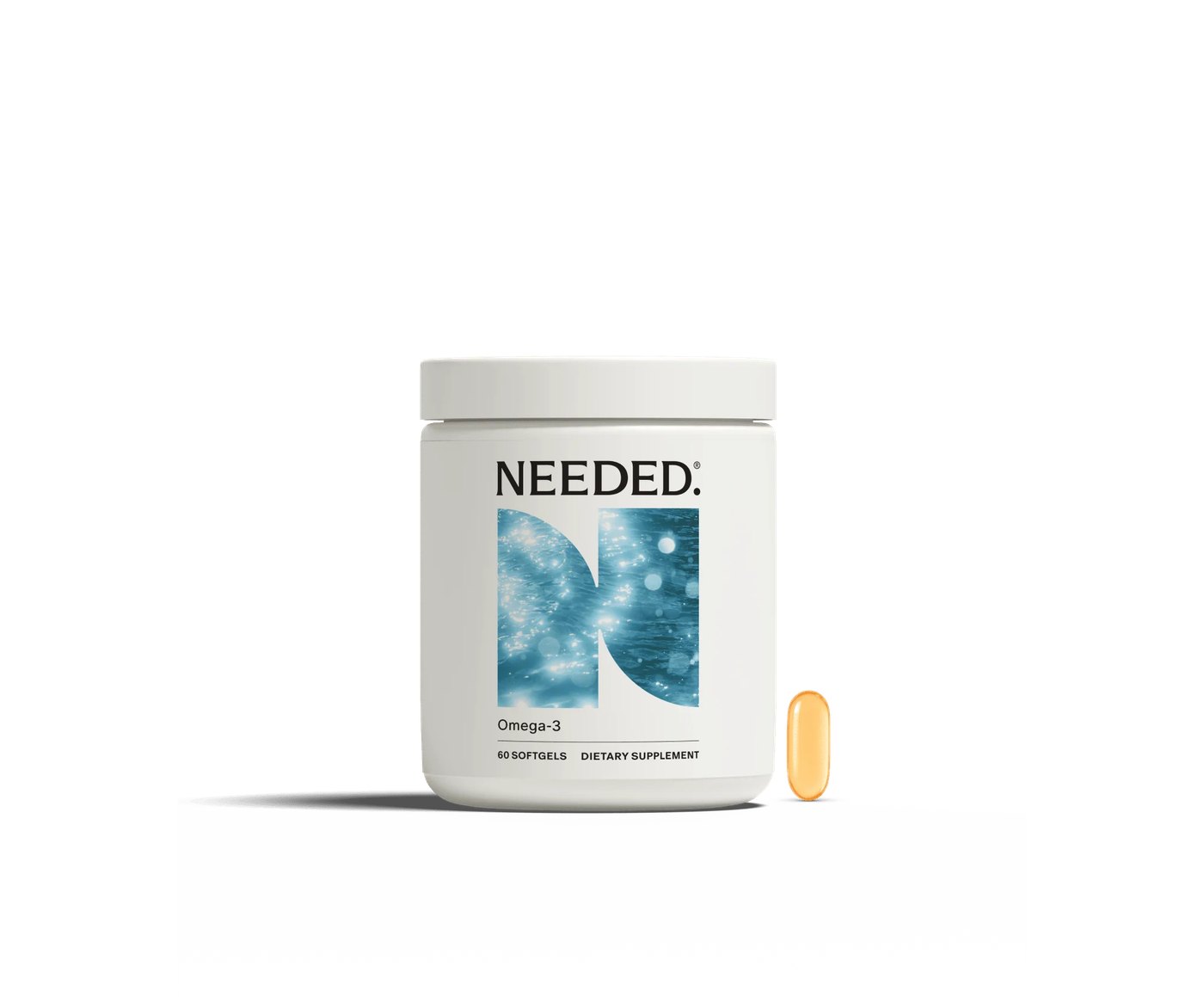
Your Women’s Omega-3 provides 1,000 mg of DHA plus EPA per day in original or lemon fish oil. Why keep fish oil in the system instead of moving everything into the multi.
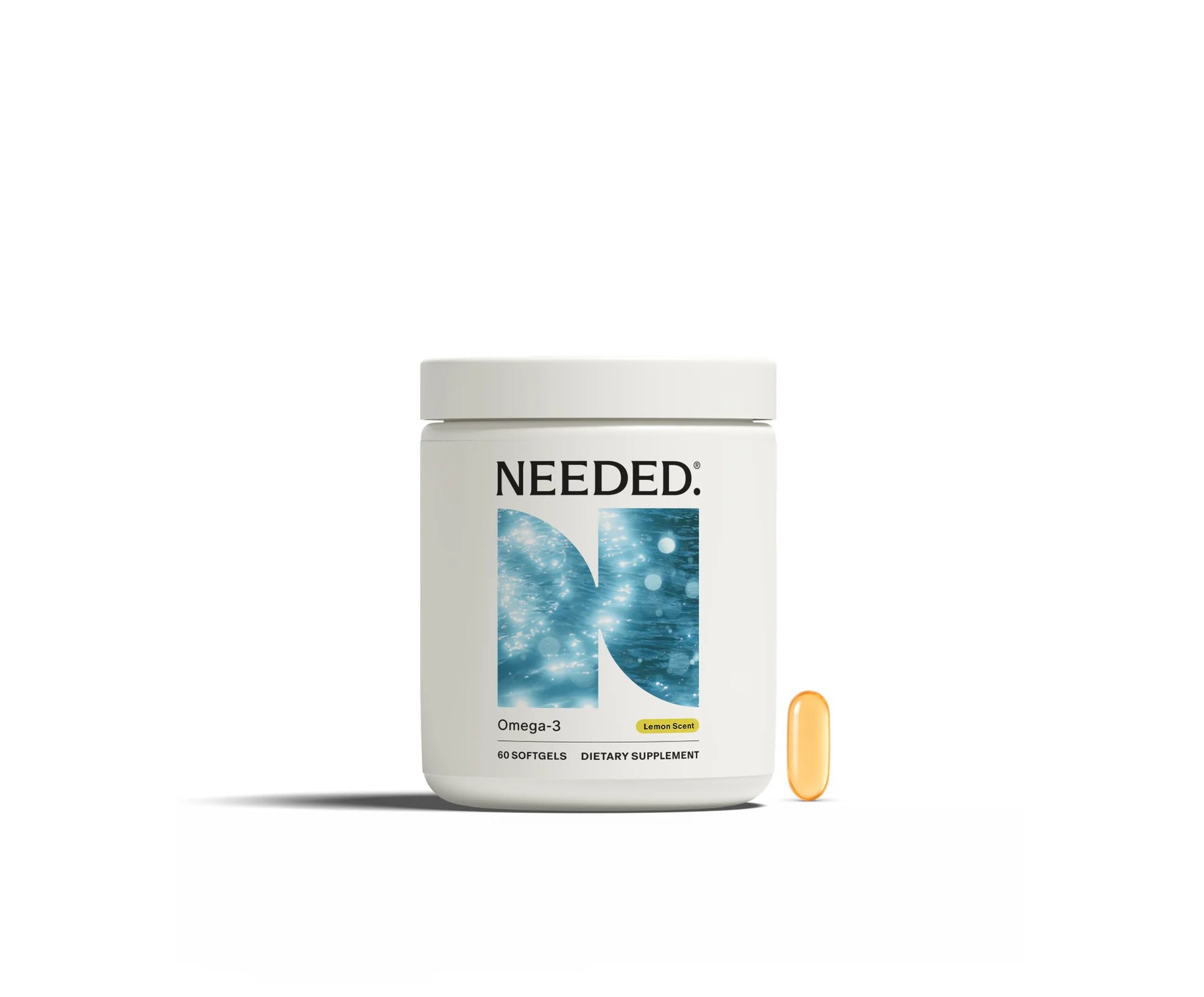
Because amounts and chemistry set limits. To deliver 1,000 mg of DHA plus EPA at a stable potency, you need oil volume that will not fit in a three capsule multi alongside 22 other nutrients without making the pill burden impossible. So we kept it separate, as its own softgel with a daily amount shown on the label, in original or lemon. The label states it supports brain, heart and hormone health as part of daily intake, and the product page pairs it with the multi in plans.
Traceability here starts on the water, not in our building. We buy sustainably sourced fish oil, then confirm identity and potency and screen for contaminants including heavy metals like mercury, plus oxidation markers that show how the oil was handled after catch and during encapsulation. Fish oil is sensitive to heat, light and oxygen, so drying is not the issue here, handling is. Fresh oil, sealed quickly, stored cool, tested by lot. The lemon version does not change the DHA plus EPA amount. It changes taste and smell, which matters for adherence in pregnancy when burps and nausea decide whether a capsule gets taken. A system only works if people can take it daily.
Powder versus capsules is a practical choice in your line, with the same 22 nutrients offered as three capsules or one vanilla scoop. What changes in manufacturing and testing between those two forms.
The nutrient targets stay the same, the carrier changes everything. Capsules need flow, fill weight control and disintegration. Powder needs solubility, flavor, sweetness and mouthfeel, without artificial sweeteners, and it must stay uniform so one scoop equals one serving from top to bottom of the tub. Vanilla has to mask minerals like iron and zinc and B vitamins without turning chalky. That means different excipients, different blending times, different moisture controls.
Testing follows the form. For capsules we check weight variation, disintegration and potency through the shell. For powder we check scoop uniformity, moisture and potency in the blend. Extract ratio matters for any botanical in the system, standardized means the extract is adjusted to a stated percent of a marker compound, and fermentation, where used for an ingredient, changes the starting material before it ever reaches the blender. Every finished lot, capsule or powder, gets its own third party certificate. If a buyer keeps one product for years, as many of our households do, they should be able to compare lot to lot and see the same method, not just the same front label.
Where in your chain can you name the grower and the harvest, and where is it still opaque. What would it take to show it.
We can name our method and our finished lot results more readily than we can publish every field and boat for every nutrient. That is honest. Some ingredients come from farms where we know grower, harvest window and drying method. Minerals and fish oils come through processors where the key trace is the refinery or fishery, the handling record, and the contaminant screen. Extracts carry ratio and standardization on their spec sheets, and fermentation inputs carry strain and tank records.
What is still opaque from the outside is the full upstream map in one public place, with quantities and dates by lot. To show it would take supplier permission, a shared lot genealogy from raw lot to finished lot, and a label or QR code that resolves to that certificate without exposing proprietary blends beyond what the Supplement Facts panel already lists. We credit what is traceable today, which is form, dose, system fit and every batch third party tested. The next step is field and vessel names tied to each lot number. That is the document we are working toward, because a careful buyer should not have to take our word for clean. The paperwork should carry it.
Closing note from the desk
What stays after this conversation is not a hero claim but a method that can be checked. Sawaya and Woodbury describe years of interviews, a refusal to white label, a multi built to three capsules because the doses required it, and an omega kept separate because oil volume demands it. The language stays inside what a label shows and what a lab measured.
Needed set out to address depletion before, during and after pregnancy with doses tied to studied levels and with every batch tested by an outside lab. Whether that is worth the higher price is for the buyer with the panel and the certificate in hand. The brand at least names what to ask for, lot by lot, and where the map still needs ink.
Product spotlight
Prenatal Multivitamin, 42.99 dollars for a one month supply. Three capsules daily deliver 22 nutrients at what the brand calls clinically studied dosages. Designed as the anchor of the Nutritional System, to be taken with food as directed on the label alongside omega 3 and other targeted products without overlap.
Women’s Omega-3, 29.99 dollars for a one month supply of fish oil in Original or Lemon. Each daily serving provides 1,000 mg of DHA plus EPA. Taken daily as the fat based companion to the multi, with storage cool and sealed and use as directed to support routine adherence.

Kristen Decker
Kristen produces the interviews at Seed to Capsule: the research, the supplier maps, the follow-up calls. She asks for the name of the farm early in every conversation, and writes it down before the founder can change the subject.
More from Kristen Decker →