Love Wellness began in New York City in 2016, not in a lab but in a drugstore aisle. Lauren Bosworth traces two capsules back to their growers, extracts, tests and labels, and explains what she can document, what she benchmarks to EU rules, and where the chain still runs opaque.
New York City in 2016 was not short on drugstores. On almost every corner, shelves promised freshness and balance in bright packaging. For Lauren Bosworth, who lived in the city and worked in media, those shelves became a place of study. She stood there looking for help with recurring infections, gut trouble, vitamin deficiencies and skin irritation, and found formulas with fragrance, sugar and parabens that left her worse.
Bosworth is the founder and chief executive of Love Wellness. The company, founded in 2016 and still based in New York City, makes supplements and personal care for vagina, gut and hormones. Its bestsellers include Good Girl Probiotics, Bye Bye Bloat and a pH Balanced Cleanser, now sold at Target, Walmart, CVS and Ulta. The stated method is microbiome first, developed with doctors, benchmarked to EU standards for body care, and checked in independent clinical studies.
What others miss is how literal she is about paperwork. She refuses gummy vitamins as a delivery form, refuses fragrance and parabens in personal care, and talks about extract ratios, fill weight and third party testing as questions a buyer should ask at lunch without conducting an investigation. This conversation follows that line, from the capsule in hand back to the field, the extraction, the lab and the label.
You founded Love Wellness in New York City in 2016 after two years of symptoms, anxious and depressed, with recurring infections and gut issues, and 18 months before a blood test showed vitamin deficiencies. What did those months in drugstores teach you about labels.
After years of struggling with severe vitamin deficiencies and ineffective personal hygiene products, I was determined to build a wellness brand that does better for women, from the clean ingredients we use to how our products make you feel. That is the sentence I still stand behind. For two years I dealt with infections and gut health issues and I was depressed and anxious. Doctors did not listen. I went 18 months before someone ran the blood test that showed what was missing.
In the meantime I was in the drugstore the way a lot of women are, looking for products that would answer my problems. Many of the products were making my issues worse, whether it was skin irritation or an infection. I realized that a lot of these old school products contain ingredients that do not actually support womens health from a skin microbiome perspective or from an endocrine disruption perspective. I saw the opportunity to establish a brand in the womens consumer health space that was modern and free of judgment. In 2016, we used emerging microbiome research to pioneer a new approach. The result was our products overwhelmingly were efficacious and really got to the heart of the matter in that womens needs were truly not being met.
You said it was not cool in 2016 to have your own wellness brand, and that talking about vaginal health on Instagram felt embarrassing and cringe to viewers. Why speak plainly anyway, and what changed by 2026.
It was not cool in 2016 to have your own wellness brand. When I went on Instagram to talk about my health, people were like this is so embarrassing and cringe. But a decade later, the status quo has changed pretty quickly. I am glad I kept talking.
I am Lo Bosworth Natale, founder and CEO of Love Wellness, new mom, and someone who cares deeply about her health and still eats fast food. My philosophy is pretty simple. Taking care of yourself should not require going to extremes. I believe in asking questions, getting good care, and knowing what you are putting in your body. I also believe you should be able to eat lunch without conducting an investigation. That is the tone I wanted from the start. Direct, practical, non judgmental. The wellness category is tricky because there is a lot of weird woo woo out there, but there is a lot that people are doing that does not necessarily have the research or funding behind it. I come into the category with an open heart and mind. Everyones body is different. Happiness is an important part of wellness.
Your promise is clean, clinically studied care for vagina, gut and hormones, powered by your microbiome. For Seed to Capsule readers, where exactly does Good Girl Probiotics start, and what does standardization mean on that label.
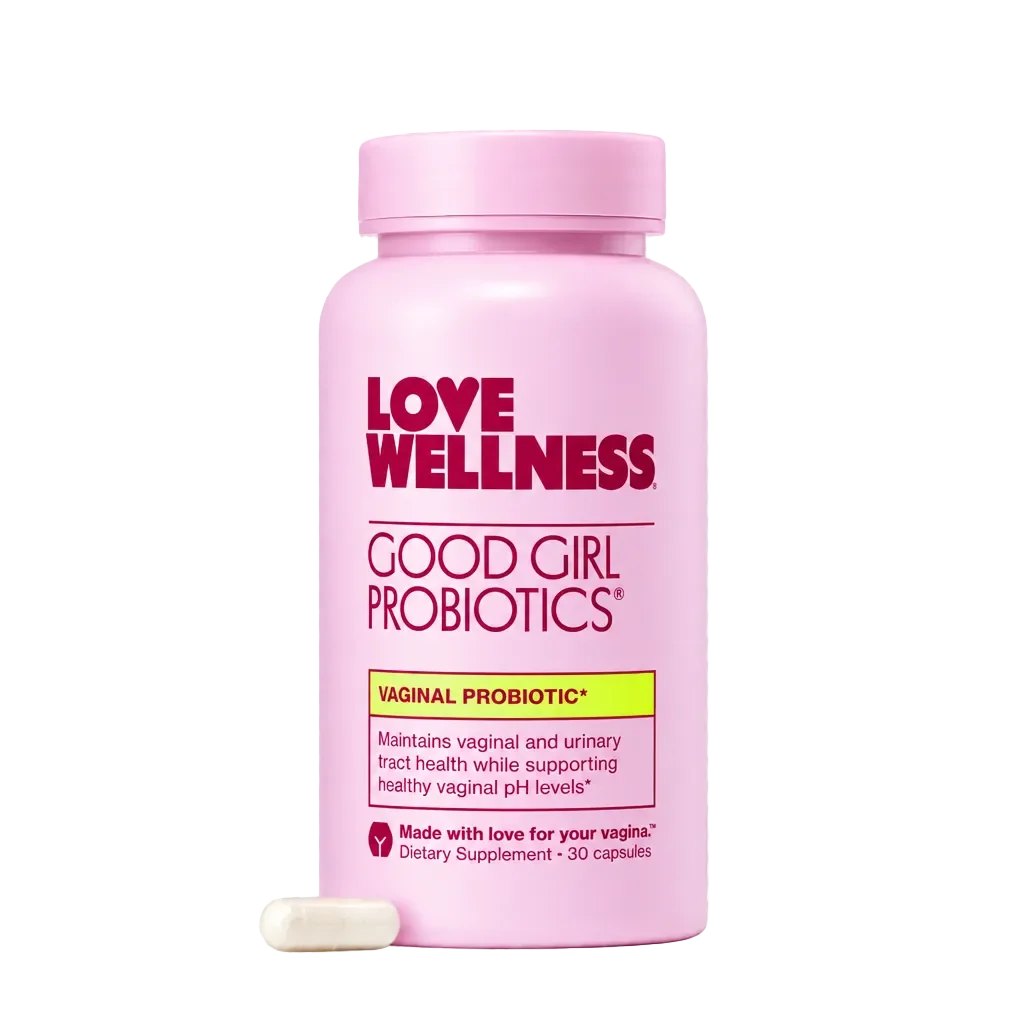
Good Girl Probiotics is our core vaginal health signature. The label describes it as a clinically studied, OB GYN developed 9 strain vaginal probiotic for daily support from within. Take one capsule a day. That wording matters. I state what the brand developed and what the label shows, not what it will do for any one reader.
Seed to Capsule asks where it comes from and how you know. So here is how I want you to read it. A probiotic starts not on a farm but in a fermentation tank. Each strain is grown under controlled conditions, harvested, dried and blended to a target fill weight, then encapsulated. Standardised in this context means each lot is built to contain the same strains at the same labeled count through the end of shelf life, and that the certificate of analysis for the batch confirms identity and count plus screens for heavy metals and microbes. We develop with medical experts and doctors and we validate through independent clinical studies. What I can name for you is the strain list on the Supplement Facts panel, the lot and the third party paperwork behind it. What I cannot name in this interview is the contract grower for each strain, because fermentation suppliers change and their sites are proprietary. To show it fully would take publishing the grower, the harvest date, the extract equivalent where relevant, and the certificate for each lot.
Bye Bye Bloat pairs digestive enzymes with herbs and carries a clinically studied claim. Trace that one backwards too, from capsule to harvest to drying and extraction.
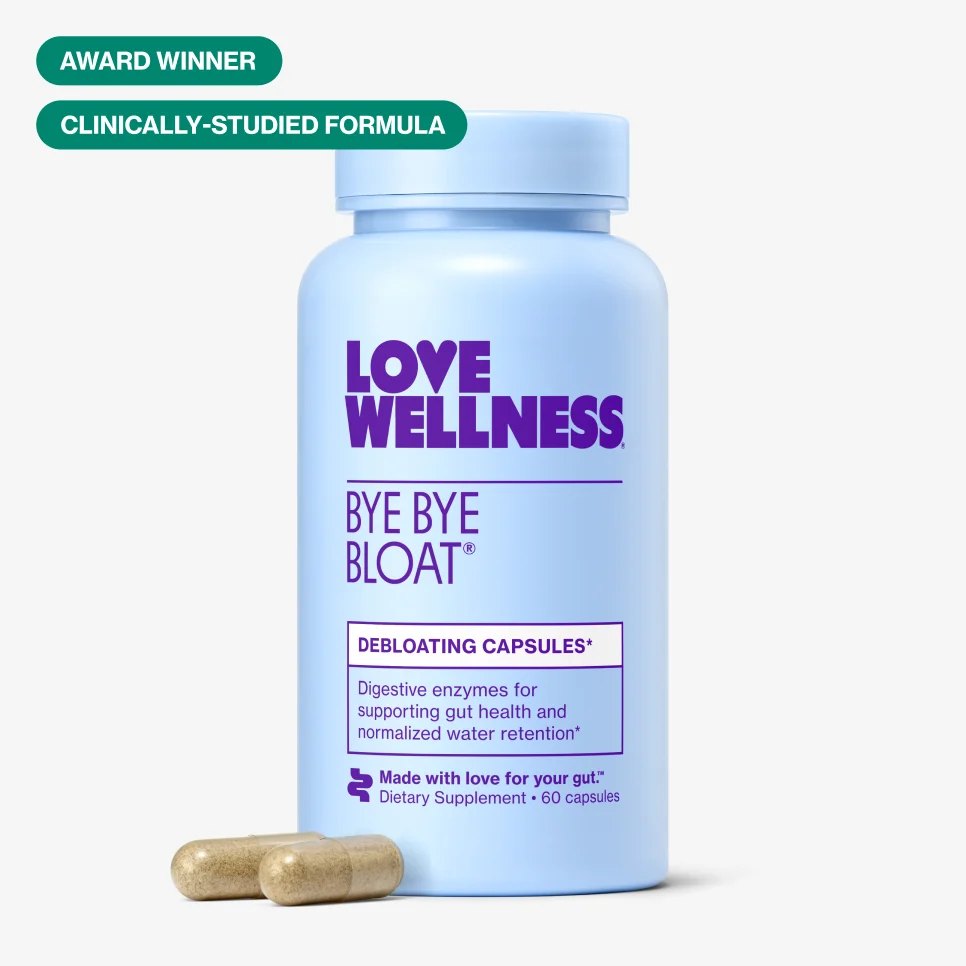
Bye Bye Bloat is our viral bestseller. The store description is a clinically studied blend of digestive enzymes and herbs that is gluten free and dairy free. How it is used is on the label. Take 1 to 2 capsules after a meal or before. The price is 24.99 dollars for standard and 59.99 dollars for jumbo at the time of our brief. That is what the label proves.
Backwards, it has two chains. Enzymes are fermentation products. They are grown in tanks, filtered, dried to a powder and assayed for activity, which is a measure of function per milligram, not just weight. Herbs start in fields. Leaves or roots are harvested on a date, dried to control moisture, milled, then extracted with water or alcohol to a stated extract ratio. That ratio tells you how much starting plant equals one part extract. The powders are blended, tested, then run to encapsulation where fill weight is checked so each capsule holds the same blend. I set the formula without sugar and to a gluten free and dairy free standard, and I keep the other ingredients line short enough to read. The opaque step is the same as with most US supplements. I can trace the lot to the ingredient supplier and the finished batch to its tests, but I do not publish the farm name and field for every herb in every lot. That would be the document to ask for.
You benchmark body care to EU standards and refuse sugar, fragrance, parabens and glycerin in personal care. Your pH Balanced Cleanser is fragrance free and OB GYN developed. What is in that bottle chain, and why those refusals.
The pH Balanced Cleanser is our flagship personal care bestseller. It is described as a clinically studied, OB GYN developed, fragrance free cleanser gentle enough for sensitive skin. The standard is 14.99 dollars and the jumbo is 24.99 dollars. How it is used is simple. Apply to wet skin in the shower as a vulva cleanser. It is gluten free, dairy free and vegan on the store page.
The chain is shorter than a capsule but still exact. Water, surfactants and humectants are blended in a vessel in lots, pH adjusted, then filled. Fragrance free means no added perfume, which matters because perfume is a common irritant. I would rather use EU cosmetics standards as benchmark than accept legacy US drugstore formulas, because the EU restricts or bans many cosmetic ingredients that remain allowed in the US. I refuse sugar, fragrance, parabens and glycerin in personal care because those inputs either feed unwanted growth, mask odor, preserve in ways I do not want, or change the feel in a sensitive area. I also believe we should support gut, vaginal and hormonal connection at the microbiome level rather than treat symptoms alone. The bottle lists every ingredient in descending order. What the label leaves out is the supplier of each surfactant and the audit behind it. That lives in manufacturing records, not on pack.
Taking care of yourself should not require going to extremes.
Lauren Bosworth
You criticize gummy vitamins at length, saying humans look for the shortcut and the silver bullet and gummies look great in theory but read very differently in reality. What is wrong with the format from a label perspective.
Certain formats in the wellness industry are prolific because they make your wellness routine easier. Humans by nature are always looking for the shortcut. We are always looking for the silver bullet and the easy way out. And the idea of gummy vitamins is great in theory, but in reality, it is a very different story. That is why we refuse the gummy format as efficacious.
From a label view, a gummy needs sugar or syrups, flavors and acids to chew well, which leaves less room for actives and adds what I do not want in daily care. The Supplement Facts panel tells the story. Serving size grows, sugars appear, and the other ingredients line runs long. A capsule or tablet can carry a studied dose of enzymes, herbs or strains with fewer carriers, and the certificate can verify count or activity without working around candy texture. I love science. I love facts. I love double blind placebo studies, but I also choose to be open to observational studies and anecdotal evidence. I am a centrist when it comes to the wellness debate. So I keep the formats that let the tests stay clear. Capsules, suppositories, a simple cleanser. No extremes, no judgment, just forms where the label can prove what is inside.
The Killer boric acid suppositories and Flora Power probiotic suppositories are distinctive and direct. How should a careful buyer read those labels, and what testing sits behind a vaginal suppository.
The Killer is a clinically studied, OB GYN developed boric acid suppository that supports a healthy vaginal environment. The store price is 17.99 dollars. Use is as directed as a vaginal suppository. Flora Power is a probiotic and vitamin C suppository for targeted vaginal pH support at the same price. Those are the labels. I state what the brand offers and what the label shows.
A suppository chain is exact because the dose form is simple. Boric acid powder is sourced to a grade, tested for identity and purity, filled into shells to a uniform fill weight, then checked for content uniformity and dissolution in the lab record. Probiotic suppositories add strain identity and count through shelf life, plus vitamin C assay. Every lot should have a certificate of analysis and, where claimed, a third party check for heavy metals and microbes. I developed these with doctors and validated through independent clinical studies. For the careful buyer in a household, read the Supplement Facts or drug facts panel first, then the other ingredients line, then the directions and warnings. Do not split or share suppositories across people. Keep the lot number if you ever need to ask about a batch. What remains opaque here is the same as elsewhere. The mine or plant behind boric acid and the fermentation site behind the strains are in supplier files, not on pack.
You are now in Target, Walmart, CVS and Ulta, with millions of customers since 2016. What does scale change about provenance, lot control and third party seals, and what would it take to show more.
Scale changes paperwork before it changes product. When bestsellers like Bye Bye Bloat, Good Girl Probiotics and the pH cleanser moved into Walmart, Target and Ulta, the lots got larger and the records got stricter. Each finished lot still needs its certificate of analysis, and retail partners add their own compliance checks. Third party seals are not all equal, so I tell buyers to read what the seal actually tested. Identity, potency, heavy metals, microbes. A seal on the front means little without the test behind it.
To show more would take publishing the supplier name, harvest or fermentation date, extract ratio or strain count, and the certificate number for each lot, plus noting when a supplier changes. I would rather combine double blind studies with open minded anecdotal evidence than dismiss either, and I would rather make wellness modern and free of judgment than extreme or shame based. Doing better for women since 2016 means naming growers where I can and saying plainly where I cannot yet. If a step is opaque, I want the buyer to know what document would close the gap.
Closing note from the desk
What stays with us is the drugstore image. A founder standing under fluorescent light, reading backs of packs while dealing with symptoms that had no name yet, learning that perfume and sugar had a cost. That memory now shapes lot records and label choices more than any slogan.
Love Wellness set out to make care that is modern and free of judgment, powered by the microbiome, benchmarked to stricter body care rules where US rules allow more. The trace is partial, as most traces are. Strains and enzymes test cleanly by lot, herbs list ratios, cleansers list all ingredients. Farm names and fermentation sites remain in files. The brand states what the label proves and leaves the rest to paperwork a buyer can request.
Product spotlight
Bye Bye Bloat, 24.99 dollars for standard and 59.99 dollars for jumbo. A capsule blend of digestive enzymes and herbs described as clinically studied and gluten free and dairy free. It is positioned for post meal bloating. Take 1 to 2 capsules after a meal or before, as directed on pack.
Good Girl Probiotics, 24.99 dollars for standard and 59.99 dollars for jumbo. A daily capsule described as a clinically studied, OB GYN developed 9 strain vaginal probiotic for support from within. It is positioned for daily vaginal care alongside gut balance. Take 1 capsule a day, as directed on pack.

Dana Kessler
Dana runs the news desk and the sourcing guides at Seed to Capsule. She files every certificate of analysis a brand sends her by lot number, and keeps a second list of the ones that never arrived.
More from Dana Kessler →