She challenged me and said, look, I am not giving up my coffee until you give me some really good validation on why I should. Amber Salisbury said it plainly, and it set the terms for everything that followed.
I am not giving up my coffee until you give me some really good validation on why I should. That is what Amber Salisbury told her husband, and it reveals the way Purity Coffee began. Not with a flavor brief or a market gap, but with a household negotiation and a demand for evidence.
Andrew Salisbury is the founder and chief executive of Purity Coffee, a company started in 2016 after his wife Amber developed debilitating fatigue. She slept 10 to 12 hours and woke exhausted. Doctors were stumped. The couple already exercised, ate organic, kept regular sleep and drank purified water. Amber drank more and more coffee to get through the day. Andrew worried the coffee itself was part of the problem.
What we noticed, reading his interviews and the company record, is how literally he took her challenge. He went to the Vanderbilt University Institute of Coffee Studies, reviewed more than 19,000 studies, then spent 18 months with Dr. Adriana Farrar designing a protocol that examined every step from farm to roast. The thesis of this conversation is simple and stated in his own words. It is about the presence of good things and the absence of bad things. The rest is paperwork to prove it.
Your wife was sleeping 10 to 12 hours and still waking exhausted, while doctors had no answers and you were both already living carefully. What did those months at home teach you about where to look next?
Yeah, I mean, basically it really started coming about because my wife was having some health issues. She was sleeping 10 to 12 hours and waking up exhausted. We exercised, we ate organic, we slept regularly, we drank purified water, and the doctors were stumped. She started drinking copious amounts of coffee just to get through the day, and I was concerned that coffee was contributing to her illness. She challenged me and said, look, I am not giving up my coffee until you give me some really good validation on why I should. So I started going to school about the health benefits of coffee and if it really was bad for you. I went to the Vanderbilt University Institute of Coffee Studies. They shared more than 19,000 studies with me on coffee and diabetes, heart disease, liver disease, Alzheimer’s and cancers. What I found was the opposite was true. Three to 5 cups per day showed benefits, primarily from antioxidant activity. That changed the question for me. It was no longer should we drink coffee. It was what kind of coffee were we drinking.
You describe going to Vanderbilt and finding more than 19,000 studies, then learning that 3 to 5 cups a day was linked with benefits from antioxidants. What did that number change about your plan?
Most people are not aware that coffee is the number one source of antioxidants in the American diet, which I think is when I first discovered this, I was a little bit blown away. I had gone in thinking coffee was guilty until proven innocent. Coffee is one of the highest sources of antioxidants in the American diet. That fact reframed everything. If coffee already brings polyphenols and other bioactive compounds to millions of kitchens, then quality matters in a different way. You have to lab test coffee from around the world and pick the ones that are highest in antioxidants. That became our sourcing rule. We were trying to create best practices for what we believe is a new segment of coffee and health. If we were only driven by the health benefits of coffee, what decisions would we make. That question guided the farm choice, the harvest standard, the drying, the shipping and the roast. We did not start with flavor notes and work backward. We started with composition and worked forward.
You spent 18 months with Dr. Adriana Farrar asking what decisions you would make if health alone drove them. What did that protocol require at origin?
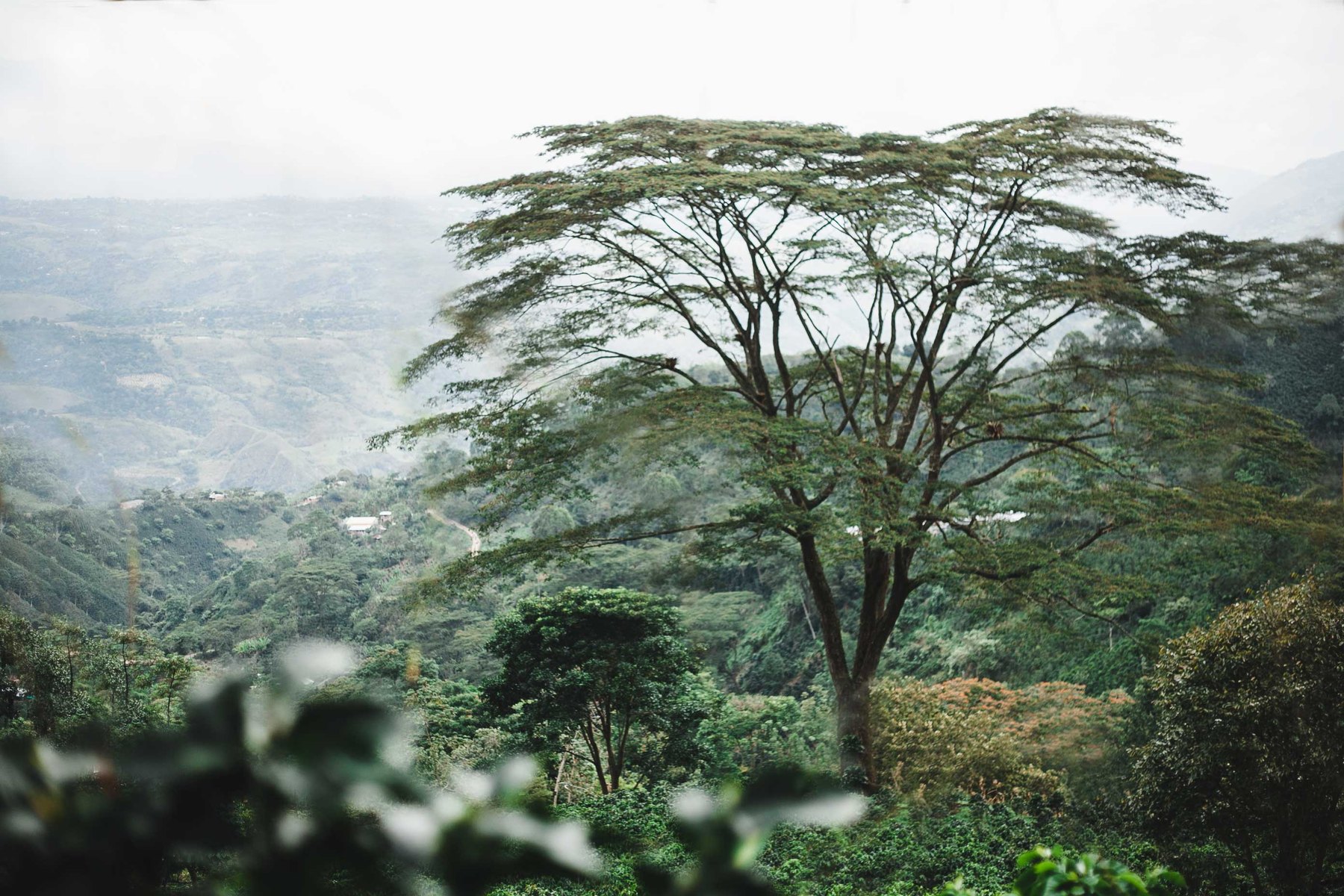
We asked, if we were only driven by the health benefits of coffee, what decisions would we make. With Dr. Farrar we looked at every step. It meant regeneratively farmed organic specialty grade arabica. It meant hand picked cherry, careful drying, and clean handling so mold does not get a start. Pesticides and mold are probably the two things you have to avoid. Coffee is one of the most heavily treated crops on the planet next to tobacco and cotton, with pesticides that would not be allowed in the US. So we refuse coffee treated with pesticides. We refuse mold and mycotoxins. We refuse poor quality commodity coffee that sacrifices health and flavor, and industrial picking and handling that introduces mold. Every consumer should be demanding good, clean coffee. By clean we mean specific things we test for. No applied pesticides by organic standard, and lab results that show mold and mycotoxins below our limits. That is paperwork, not a slogan.
Your first Brazil lot arrived riddled with mold and mycotoxins after a farmer substituted lower standard coffee. What did that failed delivery teach you about trust?
That first Brazil lot taught us more than any meeting. We had begun sourcing coffee worldwide and lab testing for antioxidants, mold, mycotoxins and heavy metals. The lot arrived and the tests came back riddled with mold and mycotoxins. The farmer had substituted lower standard coffee for what we had agreed. At the end of 2016 we still produced our first bag, but only after we rejected what did not meet the standard. It showed why you cannot buy on origin name alone. You have to lab test coffee from around the world and pick the ones that meet the bar, lot by lot. A certificate of analysis, which is the lab sheet for a specific lot, has to match the bag you actually receive. Third party lab means a lab independent of the seller runs the test. That is the difference between a claim and a record. From then on we built the chain that way. Named growers where we can, defined harvest and drying standards, then testing before roast. Trust follows the sample.
You repeat that it is about the presence of good things and the absence of bad things. How does roast fit that idea without burning off what you selected for?
It is about the presence of good things and the absence of bad things. That line guides the roast. Chlorogenic acids, which people call CGA, and trigonelline are part of the good things we measure. They vary by crop and harvest and they are affected by roasting. Darker and longer is not automatically better if you selected for those compounds. So we roast under customized protocols to retain chlorogenic acids and other healthful compounds, with measured antioxidants. In practice that means smaller, defined roast curves for each lot, then testing to confirm. We would rather optimize for the good stuff than just avoid the bad stuff. We would rather make every decision based on health than roast for cost or convention. People tell us they can feel it in their bodies. We state that as customer feedback about clean energy without jitters or upset stomach, not as a medical claim. What we can document is the input and the process. Organic field practice, hand picking, controlled drying, lab screening and a roast set to hold onto measured compounds.
It is about the presence of good things and the absence of bad things.
Andrew Salisbury
You work with regeneratively farmed organic arabica and name farms such as Finca Santa Maria in Colombia. What can you trace today, and what remains opaque?
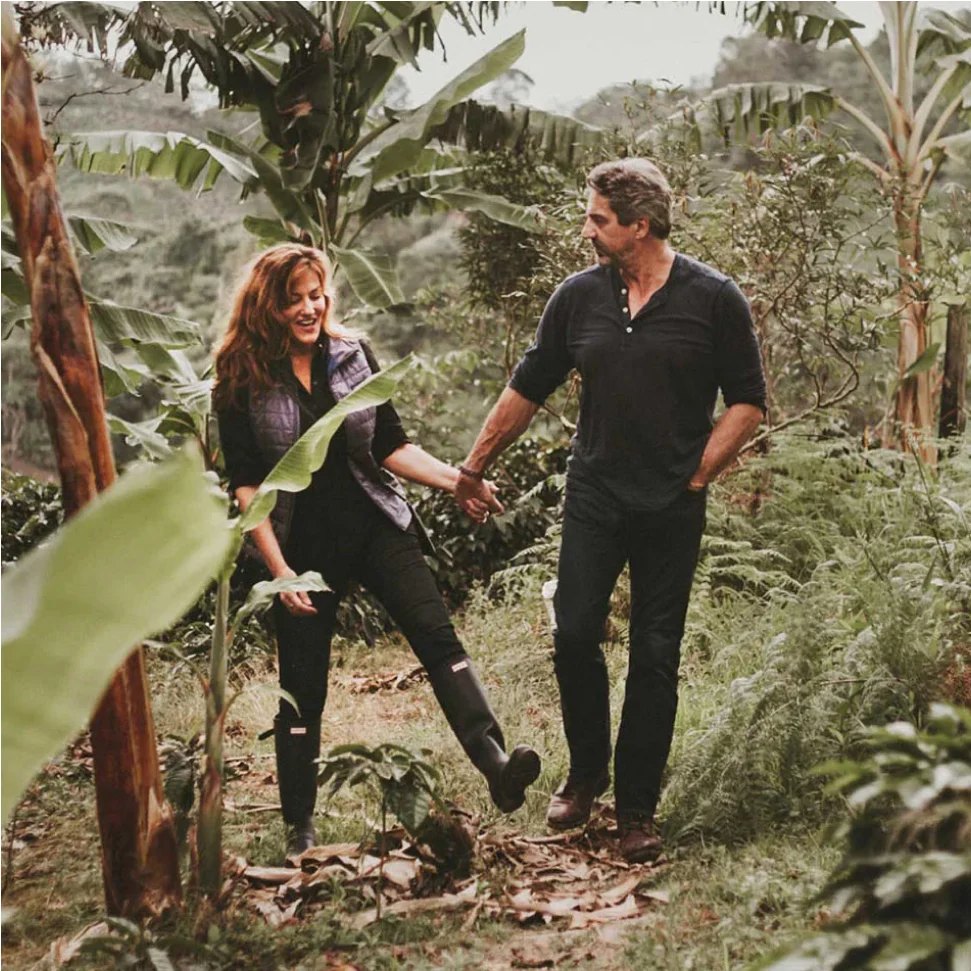
We can name a lot more than when we started. Our Sacred Cups lots, for example, include honey processed coffee regeneratively grown by the Inga people in southwest Colombia, and microlots grown by the women of Finca Santa Maria in Colombia. Honey process here means part of the cherry mucilage is left on the bean during drying, which affects flavor and needs careful drying to stay clean. Regenerative in our use means farming that builds soil and avoids synthetic pesticides, under organic certification. What we can show is the farm or group, the process method, the lot test for mold, mycotoxins and contaminants, and the roast record. What is still hard is full container level traceability on every blend component across seasons. Harvests change. Lots sell out. When a component changes, the paperwork has to change with it. We credit what is traceable and we keep testing what is not yet fully visible. Just get a better quality coffee. That sounds simple, but behind it is harvest date, drying log, lot number and lab sheet.
Your store now spans espresso, cold brew and a Founder’s Roast tied to Alzheimer’s awareness. Where should a careful buyer start, and how should each be brewed?
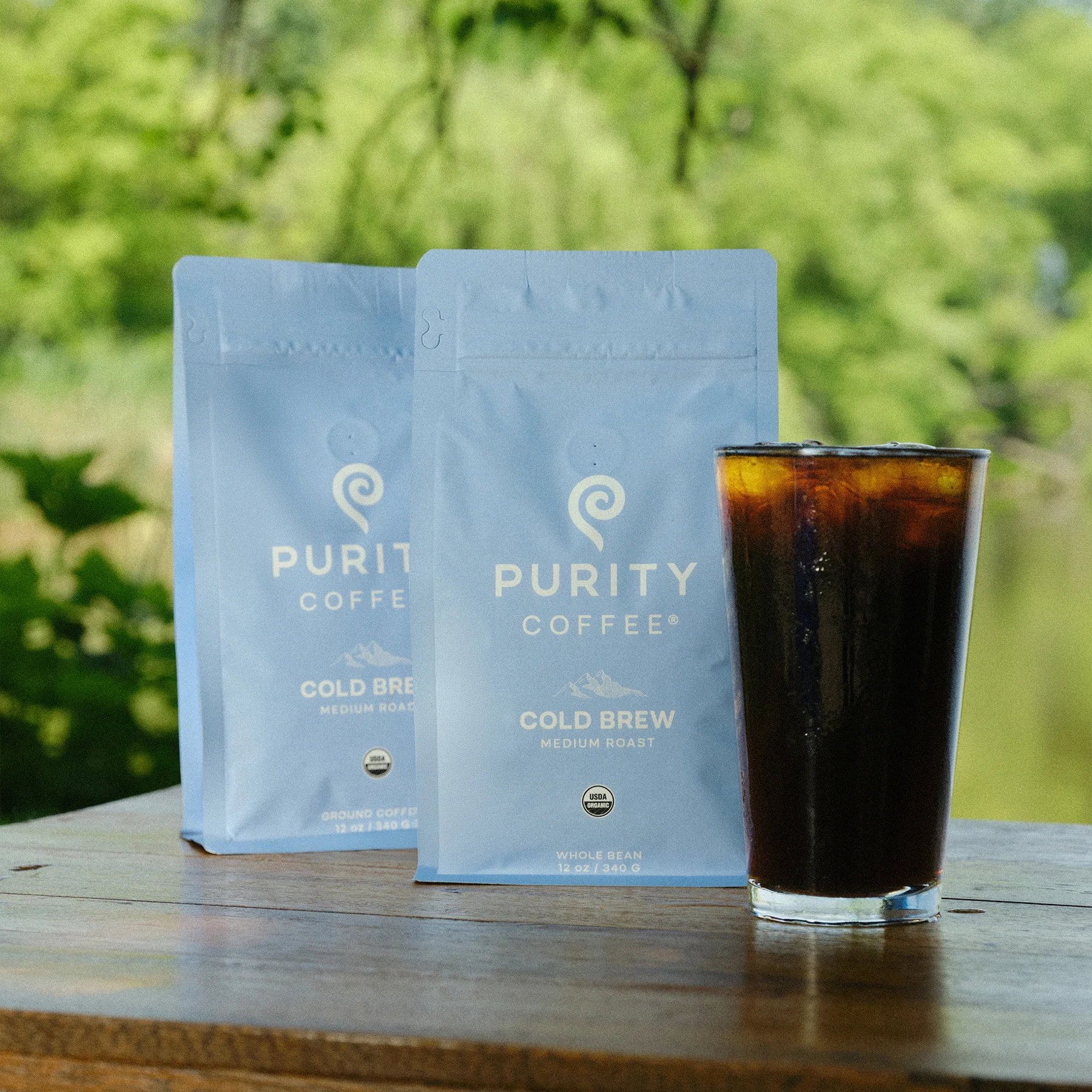
Start with how you brew. Our Whole Bean Espresso is a medium roast crafted for espresso extraction, a bold balanced shot with rich crema and a smooth finish. Grind whole beans right before extraction and pull as a straight shot or in milk drinks. Our Cold Brew Whole Bean Coffee is crafted for cold brewing at home. Grind and brew cold, which many households prefer for a smooth cup they keep in the fridge. The Founder’s Roast, including the Alzheimer’s Awareness limited release, is built for daily drip or filter. Brew as daily drip or filter coffee. Use clean water, a scale if you have one, and drink within weeks of roast. Our promise is health focused coffee without compromise that optimizes good compounds and keeps bad stuff out. That has to show up in the cup and on the sheet. Business partners Jon and Missy Butcher joined Amber and me early, with scientists and medical practitioners advising. Improve the world’s health through coffee is the mission on the wall. Make every decision based on health is the test before we ship.
You built this with Amber, with Jon and Missy Butcher, and with scientists advising. A decade on, what would it take to show more?
We are still building the segment we described at the start. We are trying to create best practices for what we believe is a new segment of coffee and health. To show more, we need lot level pages that stay current when blends rotate, with origin, harvest, test panel and roast curve in one place. We need third party seals that mean the same thing across certifiers, explained in plain words. And we need to keep refusing what fails, even when supply is tight. Every consumer should be demanding good, clean coffee. By that we mean tested for pesticides by standard, screened for mold and mycotoxins by lab, and selected for measured antioxidants. People can feel it in their bodies is what customers report about daily drinkability. What we will continue to publish is what the label can prove. Farm or group, lot, process, lab results and roast date. That is how a capsule magazine reads coffee too. Follow it backward until the field comes into view.
Closing note from the desk
What stays after this conversation is a founder who treats coffee as an agricultural record before it is a beverage. Salisbury names the substitution that burned him, the 18 months of protocol work, and the lab sheets that now decide what ships. That patience suits a provenance magazine.
Purity set out to make every decision based on health and to publish the proof where it can. Some steps remain partial, as harvests rotate and blends change. The direction is clear. Trace the bag backward to cherry, drying bed, container and roast, and keep what the tests support.
Product spotlight
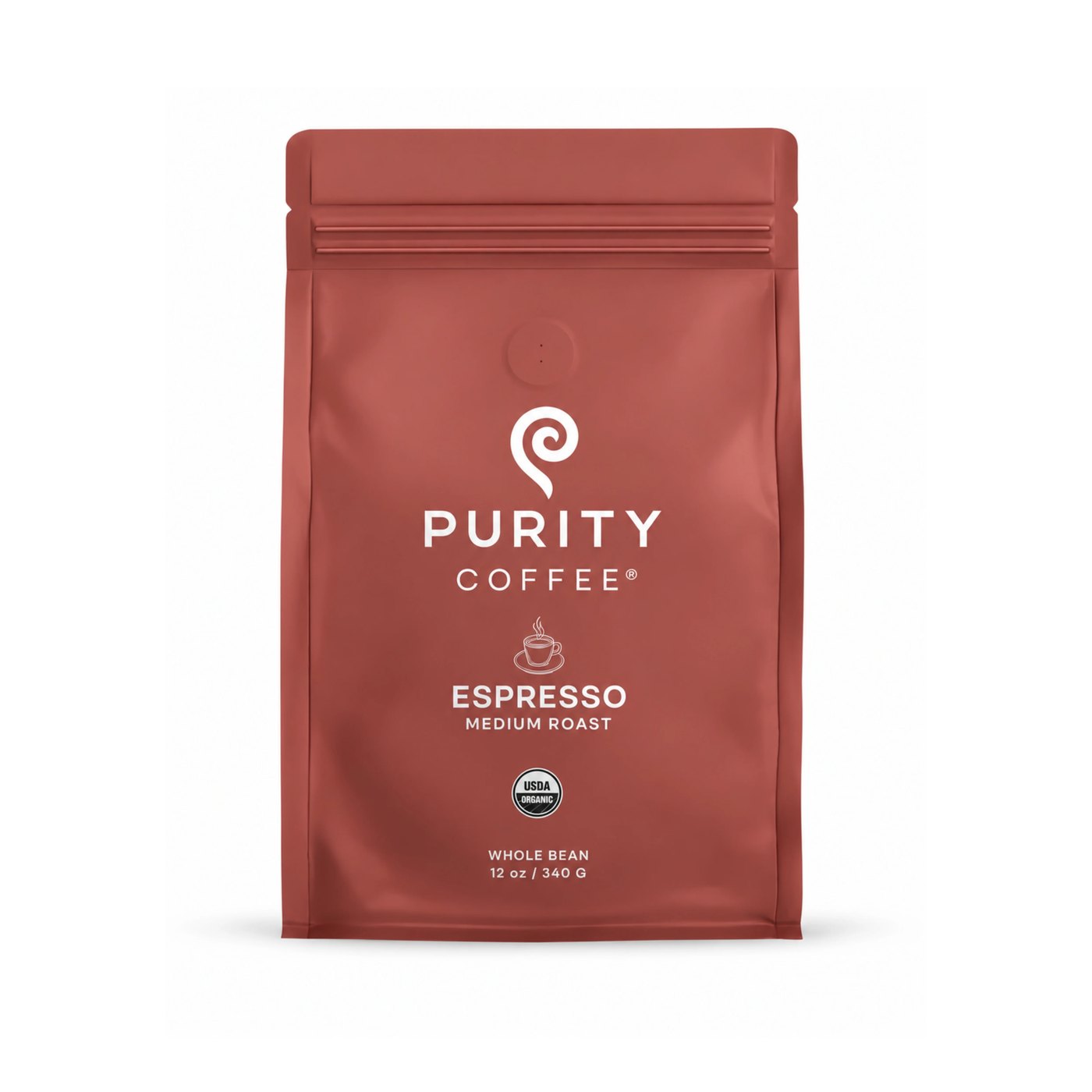
Whole Bean Espresso, 30 dollars for 12 oz whole bean. A medium roast built for home espresso, described as bold and balanced with rich crema and a smooth finish. Grind just before brewing and extract as a straight shot or with milk. Best within weeks of roast, stored sealed and cool.
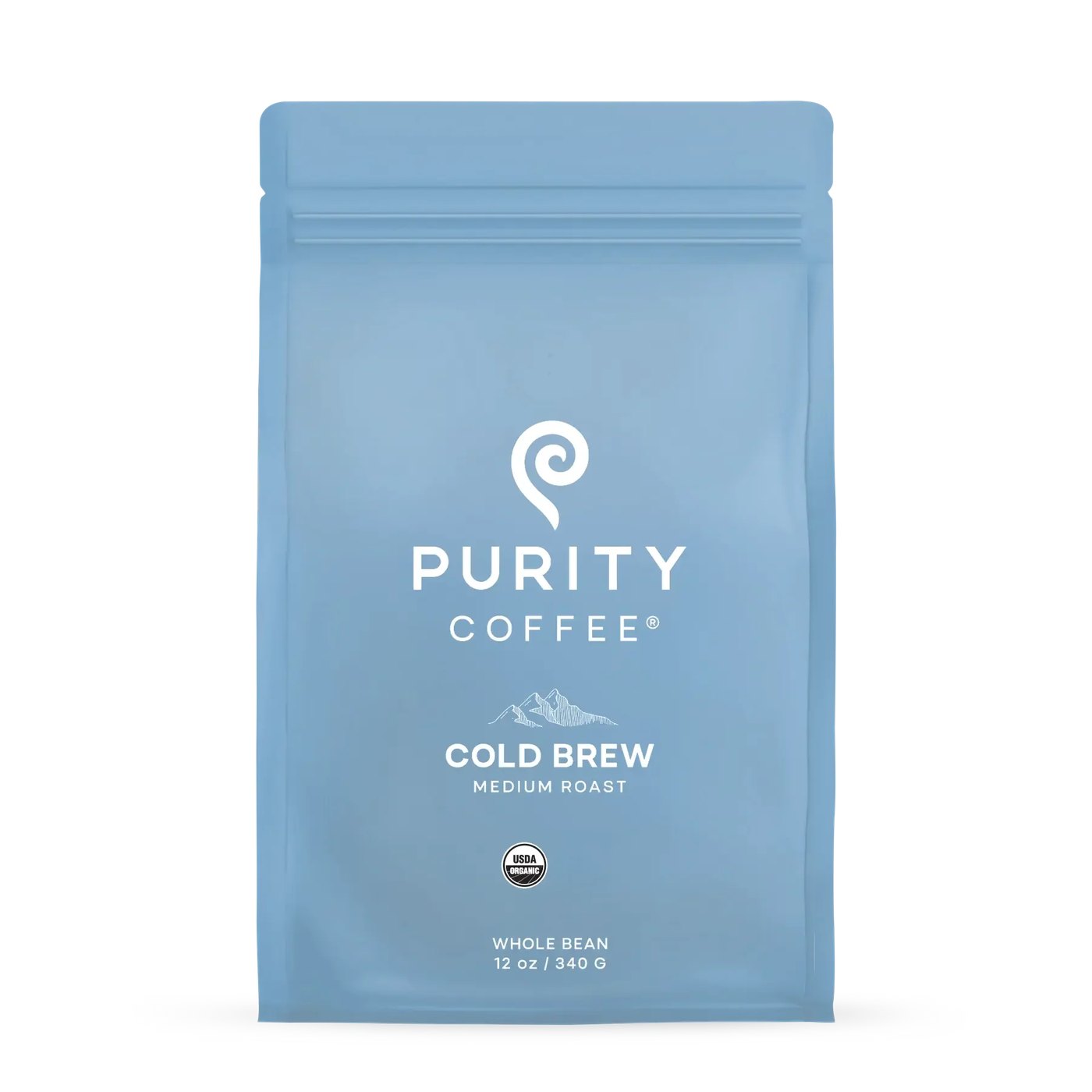
Cold Brew Whole Bean Coffee, 30 dollars for 12 oz whole bean. Crafted for cold brewing at home and described as rich in antioxidants. Grind coarse and steep cold, then strain and refrigerate. A steady household option for drinkers who prefer a smooth cold cup.

Kristen Decker
Kristen produces the interviews at Seed to Capsule: the research, the supplier maps, the follow-up calls. She asks for the name of the farm early in every conversation, and writes it down before the founder can change the subject.
More from Kristen Decker →