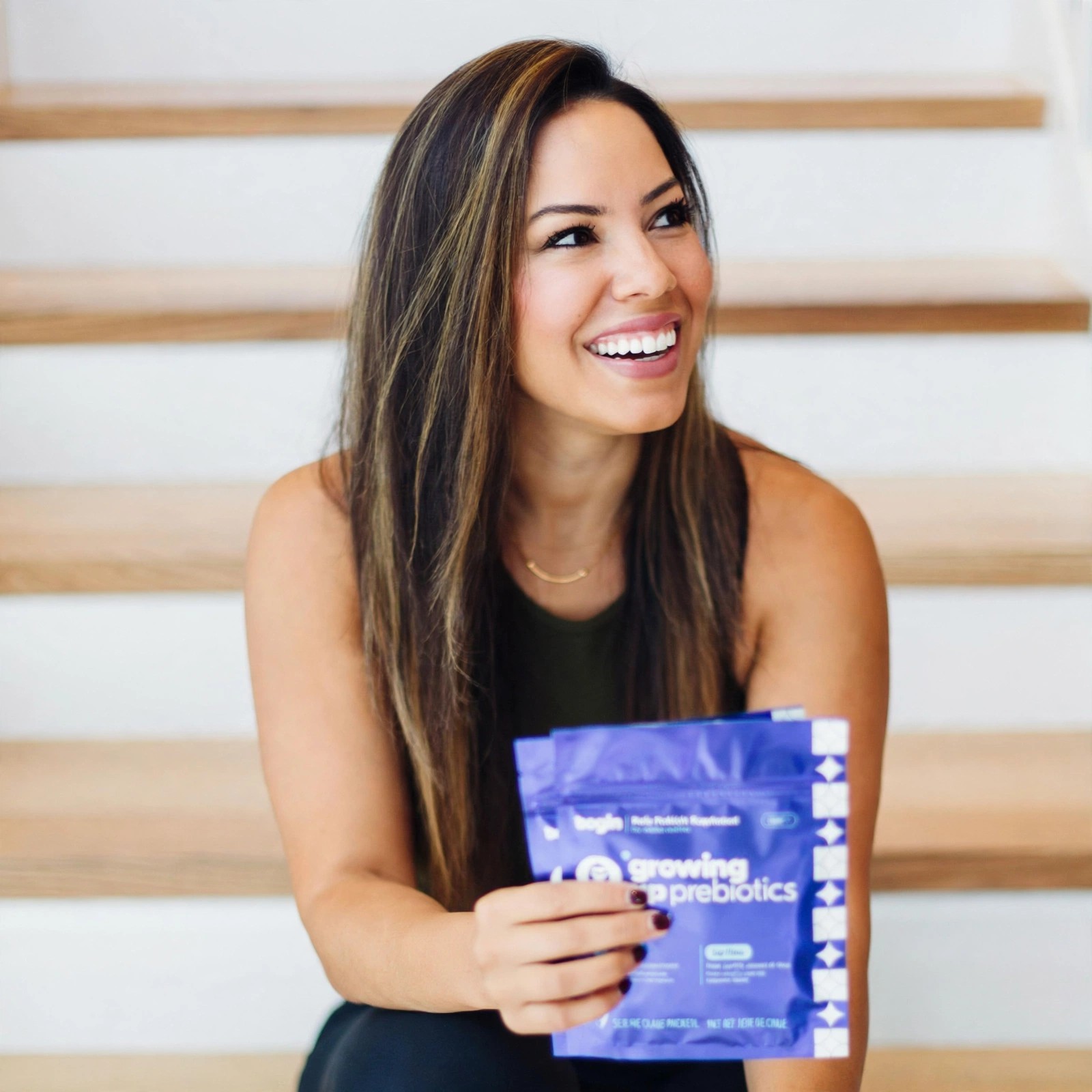
A parent wrote that potty time had become predictable for the first time in a year, and then another parent wrote, and then thousands more. Begin Health now counts more than 140,000 parents using its prebiotics for regular poopies and everyday gut support, a community built one stick pack at a time.
The parents who changed Begin Health were not looking for a supplement. They were the ones most excited about a better for you ready to drink kids milk, and what they talked about instead was picky eating, irregular poops and daily laxative use. Madeline Lauf listened long enough that she set the milk aside and started again.
Lauf grew up in rural Illinois, where she saw overconsumption of processed foods and fast food harm little kids. She started in finance, then worked in tech as a marketer. While living in Asia she saw strong demand for American infant formula and first tried to build a healthier infant formula for Asia markets, then a kids milk. Both ideas failed.
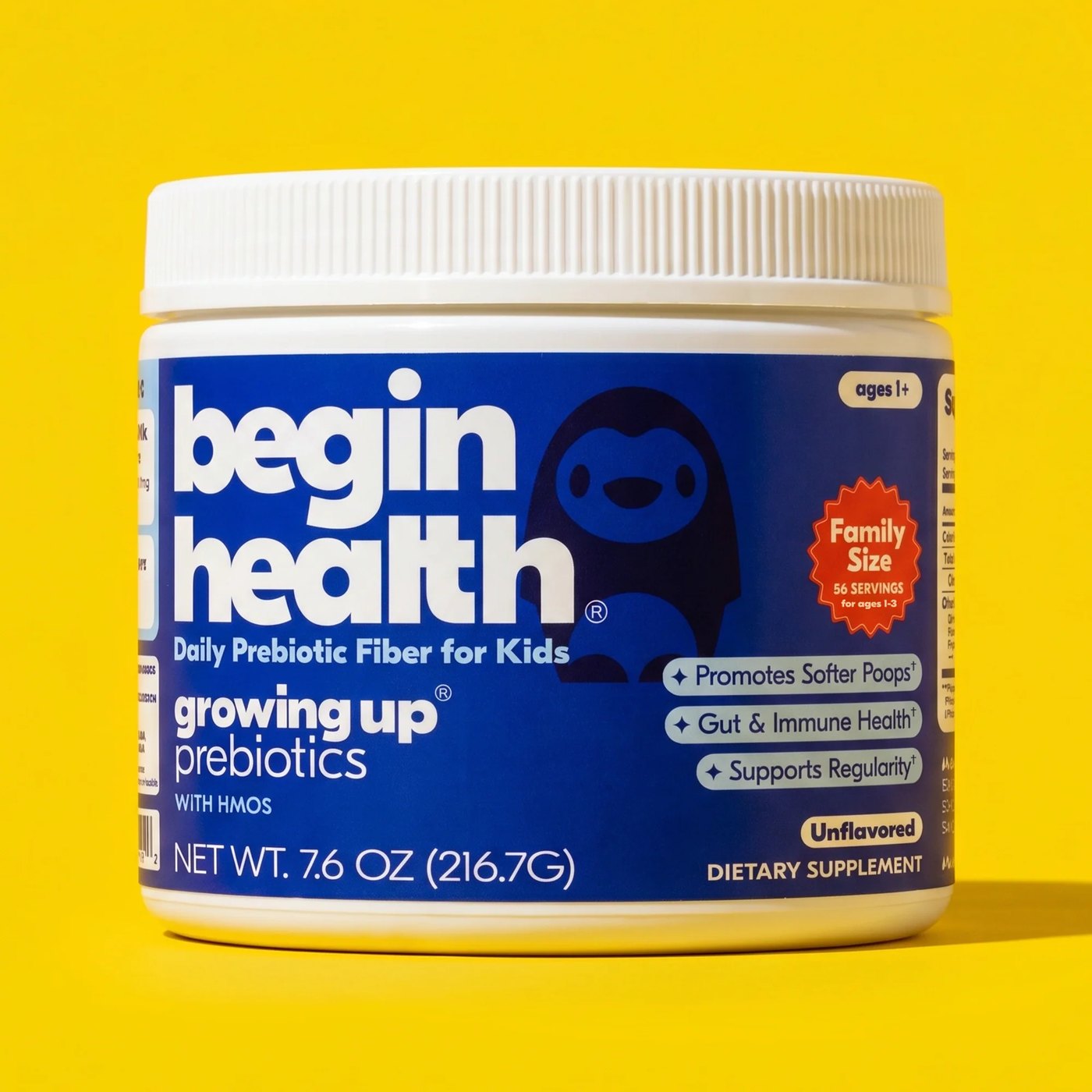
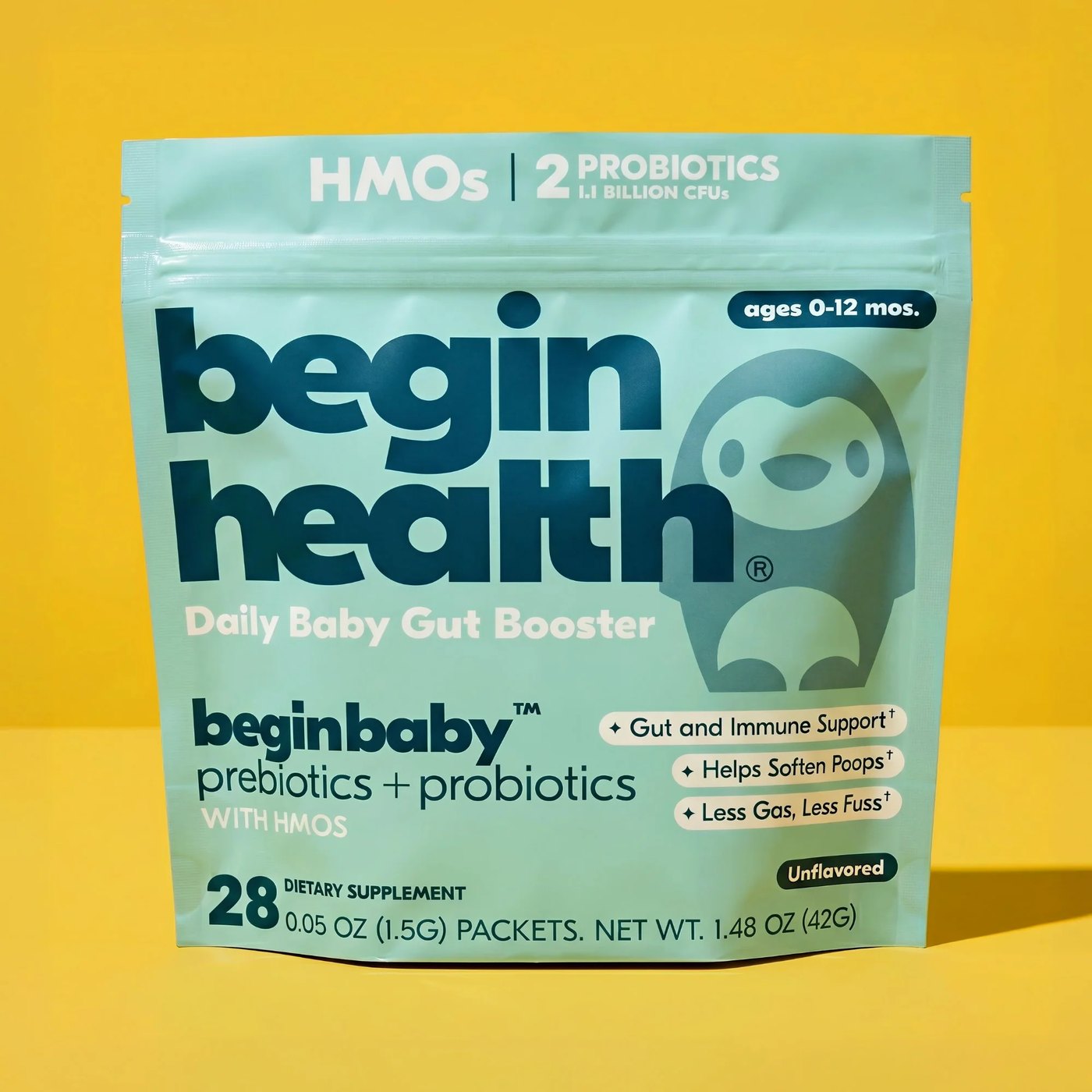
What exists now is narrower and more documented. Begin Health sells prebiotic fiber blends for kids ages 1 and up and a synbiotic with HMOs for term infants ages 0 to 12 months, developed with registered dietitians, pediatricians and microbiome researchers. The thesis of this conversation is provenance over promise: where the fiber comes from, why it is stable without refrigeration, and what the label does and does not prove.
You first tried to build a healthier infant formula for Asia markets after seeing strong demand for American infant formula while living in Asia, then learned a formula startup was almost like starting a pharmaceutical company. What did that teach you about what a lean startup can actually make?
I come from rural Illinois, and admittedly, we are not super helpful in our nutrition out there. I have always been super passionate about health in general, and I have worked in tech for my full career up until this point. When I was living in Asia I kept seeing that they love these infant formulas over in Asia. I come from rural Illinois. I thought, what if we made a better one.
I learned quickly that a formula startup was almost like starting a pharmaceutical company. The testing, the regulation, the capital, the timeline. It was too hard for a lean startup. You just have to keep pivoting essentially until you find the one that works. That first idea taught me to ask a different question. Not what would be ideal in theory, but what can we make to a gold standard with the team and resources we have, and prove lot by lot.
Investors rejected your better for you ready to drink kids milk for nutrients kids lack, and the company ran out of money. Yet the parents most excited about that milk kept talking about picky eaters struggling with constipation and daily laxative use. How did you decide to follow that signal?
That was the humbling part. We built a better for you ready to drink kids milk for nutrients kids lack. Investors rejected it and the company ran out of money. On paper, that is the end.
But the parents most excited about the milk had picky eaters struggling with constipation and daily laxative use. They were not asking for another flavor. They were asking for regular poopies and predictable potty time without a chemical laxative approach. So we pivoted a third time to launch Begin Growing Up Prebiotics for kid constipation. I realized the key to lifelong health is how we begin. You just have to keep going, even when it feels like it is time to stop. We kept the standard, no sugar and no artificial fillers, and narrowed the job to one daily powder parents could actually use.
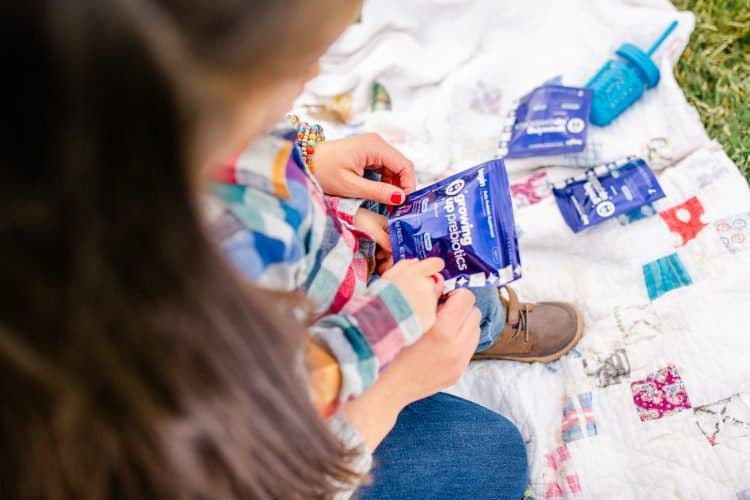
You say you spent years struggling with your own gut issues, trying every solution and getting nowhere, and that the future of America starts with our kids. How does that personal history shape the way you formulate for ages 1 and up?
I spent years struggling with my own gut issues, trying every solution and getting nowhere. That makes you read labels carefully. It also makes you skeptical of quick fixes.
When we say the future of America starts with our kids, and if our kids are not healthy, it is going to be a big problem, we mean the early window matters. We formulate with a PhD in nutritional biochemistry and registered dietitian, plus input from pediatric gastroenterologists, pediatricians and academics, including Belinda Jenks, David Madsen and Dr Gilberto Bultron. We have zero tolerance for fillers or artificial ingredients. We would rather build science backed formulas with experts than sell sugary kid products with fillers. For kids ages 1 and up, that means a tasteless and textureless powder in 28 stick packs that mixes daily into food or drink, hot or cold.
You explain the difference as probiotics are the live bacteria, prebiotics are the food for those live bacteria, and you prefer food for good bacteria over live bacteria that need refrigeration. Why did stability decide the first product?
We always say the difference between the prebiotics and the probiotics, the probiotics are the live bacteria, prebiotics are the food for those live bacteria. That one sentence decides a lot about manufacturing and the home shelf.
Live bacteria can need careful handling and cold chain to hold potency. Our prebiotic fiber is different. So it is not unstable at room temperature. So no need for refrigeration. You can bake with Begin. You can mix it daily into food or drink, hot or cold. For a household buying for a partner, a child, a parent, that matters. A small shelf of products kept for years has to survive a kitchen, a lunchbox and travel. Stability let us set a simple direction: no refrigeration needed, no chemical laxative approach, and a fill weight parents can verify in the Supplement Facts panel and the other ingredients line.
Daily Growing Up Prebiotics is listed at 70 dollars for 28 stick packs in Family Size Unflavored, with flavored versions at 73 dollars, and it is described as trusted by over 140,000 parents for regular poopies. What is actually in the stick pack, and how should a careful buyer read the label?
The label shows a prebiotic fiber supplement for kids ages 1 and up. It is a high quality, gentle blend for regular poopies, predictable potty time and improved gut health. The powder is described as tasteless and textureless, packed in 28 stick packs.
What I want a careful buyer to do is read the Supplement Facts panel first, then the other ingredients line. Look for the fiber source, the serving weight and what is not there. Our refusal list is no sugar and artificial fillers, no fillers or artificial ingredients. Then look at use. Mix daily into food or drink, hot or cold, with no need for refrigeration. The brand states it is a bestseller for regular poopies and constipation support. That is a brand statement about intended use, not a promise about what it will do for your child. Keep the lot number and keep the box until the stick packs are gone, so any question can be traced back.
You just have to keep pivoting essentially until you find the one that works.
Madeline Lauf
Daily Growing Up Magnesium pairs magnesium with kiwi powder and prebiotic fiber from agave inulin in 28 servings for 70 dollars. Where do those ingredients start, and what happens between harvest and encapsulation?
I can speak to the chain in general terms, because that is what we control and document. Agave inulin starts as fiber from the agave plant. Kiwi starts as fruit that is harvested, dried and milled into powder. Magnesium starts as a mineral salt from a supplier, not from a field.
Between harvest and the finished serving, the steps are drying and milling, extraction or isolation where needed, blending to the formula, then encapsulation or stick pack filling by fill weight. Each incoming lot should arrive with a certificate of analysis from the supplier, and finished batches are verified by a third party lab for identity and for contaminants such as heavy metals. What I would rather show than claim is paperwork: grower or origin, extract ratio or standardized level where applicable, lot and batch numbers, and third party results. Where a step is still opaque, we say so. That is what it takes to use words like pure with care.
Beginbaby Pre and Pro with HMOs at 42 dollars extends the approach to term infants ages 0 to 12 months as a 3 in 1 synbiotic. Why add probiotics and HMOs for babies when the kids line leans on prebiotics alone?
Babies are a different starting point. The gut microbiome is largely established by age 3, in the first 1,000 days. Beginbaby Pre and Pro with HMOs is our 3 in 1 synbiotic with prebiotics, probiotics and HMOs to nourish the developing baby gut.
For term infants ages 0 to 12 months, we wanted a daily booster that covers gut health from first days through toddlerhood, no matter how they are fed. HMOs are prebiotics found in breast milk that feed beneficial gut bacteria, so they fit our food first logic. The probiotic portion adds live bacteria, which does bring back the stability question, and that is why format, storage instructions and testing matter more here than in the kids prebiotic powder. Parents should read the strain, the count through end of shelf life if stated, and the storage line, and keep expectations within what the label shows.
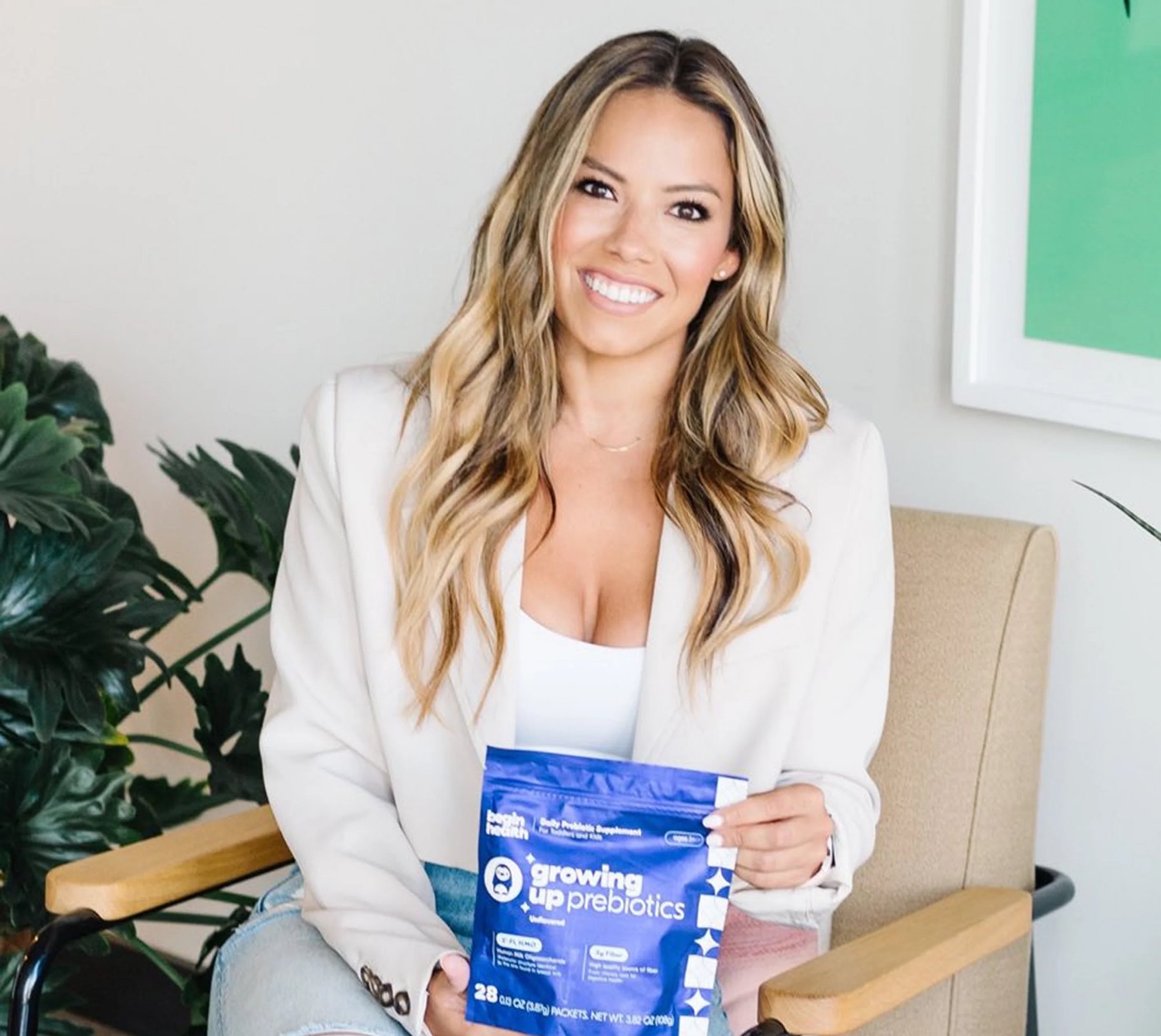
About 70 percent of the immune system lives in the gut, 90 percent of kids do not meet daily fiber recommendations, and you also sell a Gut Health Test for 199 dollars and coaching plans. How do fiber, testing and coaching fit without overstating what a supplement can show?
Those numbers explain why we focus on fiber and food first, not why any one product works for any one child. About 70 percent of the immune system lives in the gut. Ninety percent of kids do not meet daily fiber recommendations. That context is on our site because parents ask where to start.
Our Daily Growing Up Immunity blends HMOs with efferra lactoferrin and vitamins D3 and C to help support a healthy immune system, in the brand’s words. Our Gut Health Test at 199 dollars for Baby and Kid, and 537 dollars for Whole Family, delivers an easy to read report with insights and next steps, in the store description. Coaching plans address history and habits. I treat those as separate tools with separate labels. The powder shows fiber and other ingredients. The test shows a report. Coaching shows a plan. None of them treats anything on its own. If a parent wants proof, I point to the panel, the lot paperwork and third party testing, not adjectives.
You formulate with dietitians, pediatricians and microbiome researchers, and you refuse fillers or artificial ingredients you would not give to your own kids. What would it take to make the chain fully traceable, from named grower to finished stick pack?
It takes names, dates and quantities on every step, and the willingness to publish what is missing. We already name the expert side, formulations developed with a PhD in nutritional biochemistry and registered dietitian, plus Belinda Jenks, David Madsen and Dr Gilberto Bultron. On the supply side, full traceability means named growers or fisheries, harvest place and date, drying and extraction site and method, extract ratio or standardized marker, encapsulation site, fill weight, and lot specific certificates of analysis with third party lab verification including heavy metals.
Some of that is on file and some is still general on the public label, such as agave inulin without a named farm in the store copy I have seen. To show it fully, we would need to list origin by lot and link the finished batch to those lots in a way a parent can check in under a minute. I would rather keep pivoting until the idea works than stop when funding runs out, and I would rather use food for good bacteria than add complexity we cannot document. That is the next work.
Closing note from the desk
What stays with us is the order of operations. Lauf did not start with a claim and work backwards. She started with failed attempts, a clear refusal list and a community of parents tracking poops on gamecards and stickers, then built the narrowest product that paperwork could support.
Begin Health set out to offer gold standard, science backed nutrition that nourishes the gut early to help kids thrive as they grow. Said plainly, that means prebiotic fiber without sugar or artificial fillers, stable enough for a kitchen shelf, with testing that can be named and labels that can be read without a dictionary.
Product spotlight
Daily Growing Up Prebiotics, 70 dollars for Family Size Unflavored with 28 stick packs, with Strawberry Creamsicle and Banana Chocolate at 73 dollars. A prebiotic fiber powder for kids ages 1 and up. Mix one stick pack daily into food or drink, hot or cold, with no refrigeration needed.
Beginbaby Pre + Pro with HMOs, 42 dollars for term infants ages 0 to 12 months. A 3 in 1 synbiotic with prebiotics, probiotics and HMOs to nourish the developing baby gut. Use as a daily booster and follow the label for preparation, storage and serving guidance.

Dana Kessler
Dana runs the news desk and the sourcing guides at Seed to Capsule. She files every certificate of analysis a brand sends her by lot number, and keeps a second list of the ones that never arrived.
More from Dana Kessler →