Truvani reports more than 29,010 reviews and more than one million customers for real food without added chemicals. That count is the reason to trace the chain backward, from the pouch on the shelf to the paper that supports what the label says.
More than one million signatures came first. That is the telling number in the Truvani story. Before there was a company, there were petitions that named ingredients, asked large food companies to remove them, and in several cases saw those companies change.
Vani Hari is now better known as the Food Babe. She started FoodBabe.com in April of 2011 to share a healthy lifestyle with friends and family. She did not go to nutrition school to learn this, in her words. She learned by reading labels and asking companies to explain them.
Truvani was created because big companies do not change fast enough. Hari co founded the company with Derek Halpern, who leads marketing and sales. Their stated mission is real food without added chemicals, products without toxins, and labels without lies. Today the products are found in thousands of retail stores nationwide, and the team describes itself as still a small player in the massive food industry, but moving fast.
What others miss is how much of this brand is about paperwork, not powder. Seed to Capsule follows the lot, the certificate of analysis, the third party lab, and the exact words on the Supplement Facts panel. Truvani talks less about farms and extraction than about refusal, what will not be added, what will not be hidden. The thesis of this conversation is simple. Trust is a document chain. A label is only as good as the testing and sourcing behind it.
You started FoodBabe.com in April of 2011 to share your healthy lifestyle with friends and family. That blog gathered more than one million petition signatures. What did that response teach you about what a label has to prove?
My name is Vani Hari, but I am now better known as the Food Babe. For most of my life, I ate anything I wanted. My typical American diet landed me where that diet typically does, in a hospital. It was then, in the hospital bed, that I decided to make health my number one priority.
I did not go to nutrition school to learn this. I started this blog in April of 2011 to share my healthy lifestyle with friends and family. Little did I know at the time that this blog would change the world. My first name means voice in my native language, but I never thought I would be the person to carry the voice of millions.
What the petitions taught me is this. You have got to know what is in your food to be in control of your health, and I am here to help you be your own food investigator, nutritionist, and food activist. People want to read a label and believe it. When they learn to ask who made an ingredient and why it is there, they vote with their dollars. When we all vote with our dollars by choosing to buy products that are sustainably produced, we actively shape the market place.
You have said Truvani was created because big companies do not change fast enough. You influenced companies including Kraft, Subway, Chick-fil-A, and Starbucks through petitions. At what point did you decide creating products yourselves was the only path?
Be the change you wish to see in the world. That is how we think about it. We asked big companies to remove certain ingredients and to be clearer on labels. Sometimes they listened. Often change was slow, or partial, or hard to verify across every product and every plant.
We concluded the only way to make real and lasting change is to create these products themselves. Truvani creates the health and food products we wished to find in stores for years. I am also the co founder of Truvani, a rapidly growing organic brand offering real food without added chemicals, products without toxins and labels without lies.
We are still a small player in the massive food industry. But we are moving fast. Being small means we can say no faster. We can choose real food ingredients instead of cheap additives. We can write a label we would want to read ourselves.
Your repeated phrases are real food without added chemicals, products without toxins, labels without lies, and never anything fake. In Seed to Capsule language, what does never anything fake mean on a Supplement Facts panel and in the other ingredients line?
It means what it says. Real food without added chemicals. Products without toxins. Labels without lies. Never anything fake.
On a label, that starts with the Supplement Facts panel. What is the serving size, what is in the serving, how much of each ingredient. Then the other ingredients line, which tells you how the powder is carried, flavored, sweetened and held together in the capsule or the scoop. Many shoppers skip that line. We think you should read it first.
We would rather use real food ingredients than cheap additives. We refuse to use fake ingredients or added chemicals. If an ingredient needs a long explanation to sound acceptable, we would rather not use it. A short other ingredients line made of recognizable foods is easier to trace back to a grower, a harvest and a lot.
Seed to Capsule traces each capsule back to the field, the forest, the hive, the boat or the fermentation tank. Truvani describes itself as an organic brand. How do you choose growers and what document tells you a harvest meets your standard?
We start with the standard we state publicly. Real food without added chemicals. That means ingredients that begin as food, grown under organic practices where we state organic on pack. Then we ask for proof at the lot level.
Every harvest has a lot. Every lot should have a certificate of analysis from the supplier, which states identity, moisture, microbes and, where relevant, heavy metals and pesticide screens. Then a finished batch should have its own tests. That chain, grower to lot to batch, is how you know where exactly something comes from and how you know.
I will be plain about what we have shared publicly so far. Our public pages name the mission and the refusal list more fully than they name individual farms, harvest dates or extract ratios. What it would take to show it is what we ask of any brand. Name the grower, name the country of origin, publish the standard, and keep the certificate for each lot on file for inspection.
Extraction turns a harvested plant into a powder or an oil. Some brands state extract ratio or standardised levels. Others state whole food powder only. Where does Truvani sit, and how should a careful buyer read that part of your label?
We sit where the label sits. If we use a whole food powder, the label should say the food and nothing else hidden in the flavor system. If we use an extract, the label should state the part used, the ratio or the standardised marker, and the extraction aid if one was used, in plain words.
I am a New York Times best selling author and have written five books. I say that only to explain how I learned to write for a careful reader. Say what the ingredient is, say how much is in a serving, say what else is in the scoop or capsule. Do not make the reader guess whether sweet taste comes from a whole fruit or from an added flavor with a natural label.
Seed to Capsule readers keep a small shelf for years and buy for a household. They want fill weight that matches the label, serving after serving. That is encapsulation and packing discipline, check weights, blend uniformity, seal checks. That is unglamorous and it matters.
You have got to know what is in your food to be in control of your health.
Vani Hari
Third party seals are not all equal. Some test finished batches for identity and contaminants. Some audit facilities. What third party testing or certification does Truvani use, and what does it cover lot by lot?
This is the question most brands are rarely asked, and it is the right one. Where exactly does this come from, and how do you know.
What I can state from our public record is our promise and our structure. Truvani products can be found in thousands of retail stores nationwide. We report over one million customers and over 29,010 reviews for our approach. That scale requires lot control, retained samples, and finished batch records. A careful buyer should look for the certifier name, the seal number, and whether testing is per lot or per year.
What is still opaque in our public materials is the part Seed to Capsule always names. We have not published a lot by lot library of certificates, named third party labs, or listed contaminant limits beside each product page in the sources reviewed for this piece. Fair is fair. Credit what is traceable, which is our stated refusal of added chemicals and fake ingredients. Name what is not yet, which is public, product level test documents. What it would take is to publish them, lot number to certificate, and to state the lab and the limits.
You write that you would rather create products yourselves than wait for big companies to change. What is the hardest tradeoff you face between taste, texture, shelf life and keeping the other ingredients line short?
The hardest tradeoff is the one shoppers taste first. Real food ingredients can clump, settle, taste earthy or vary by harvest. Cheap additives solve that fast. They smooth texture, boost sweetness, extend shelf life, and hide variation. We would rather not use them.
So we accept variation and we work harder on sourcing and blending. A vanilla that tastes like vanilla beans will taste different across lots. A chocolate that is real cocoa will need careful handling to pour and mix well. That is the cost of keeping the other ingredients line short and readable.
We are still a small player in the massive food industry. That helps here. We can reformulate, we can reject a lot that does not meet taste and spec, we can move fast without waiting for a large system to agree. Moving fast, for us, means saying no fast.
Truvani is now in thousands of retail stores nationwide. How does scale change traceability, from one blending room to many trucks and shelves, and what stays the same?
Scale does not change the rule. One lot in, one batch out, one record kept. What changes is volume and paperwork. More purchase orders, more certificates to review, more retain samples, more finished batch tests, more warehouse checks for temperature and seals.
What stays the same is the label promise. Real food without added chemicals, products without toxins, labels without lies. Whether a pouch ships to one home or to thousands of retail stores nationwide, the Supplement Facts panel and the other ingredients line must match what is in the pouch, and the batch record must prove it.
I started this blog to share my healthy lifestyle with friends and family. That habit of showing your work, ingredient by ingredient, is what scale should protect, not dilute. If a shopper emails about a lot number, we should be able to answer with documents, not adjectives.
You often say vote with your dollars by choosing sustainably produced products. For a parent buying for a household on a budget, what should they check on your label before they decide the expensive version was worth it?
Read the whole label, front and back. Front tells you the story. Back tells you the facts.
Check serving size and servings per container, so price per serving is honest. Check dietary ingredients and amounts. Check the other ingredients line for carriers, flavors and sweeteners. Check allergen statements, organic certifier, facility and contact information. Keep the lot number until the tub is finished, in case you have a question.
When we all vote with our dollars by choosing to buy products that are sustainably produced, we actively shape the market place. That vote works best when it is specific. Buy the version whose paperwork you can see. Keep the brand whose label needed no translation.
Looking back from FoodBabe.com in 2011 to Truvani today, what did carrying the voice of millions teach you about trust that a certificate alone cannot show?
My first name means voice in my native language, but I never thought I would be the person to carry the voice of millions. That voice began with a simple offer. You have got to know what is in your food to be in control of your health, and I am here to help you be your own food investigator, nutritionist, and food activist.
A certificate shows a lot passed on one day. Trust is what happens between lots, when no one is watching. Do you keep the short label when a cheaper aid would fix texture. Do you reject a harvest that misses spec. Do you answer a lot question with a document. Do you change the label when the supply chain changes.
Little did I know at the time that this blog would change the world. What I know now is quieter. Labels without lies means operations without shortcuts. If we can name the grower, show the lot paper, state the third party scope, and keep the other ingredients line honest, the capsule traces back to the field on its own.
Closing note from the desk
What stays with the editors after this conversation is the order of events. Petitions first, products second. More than one million signatures is not a marketing line here. It is a record of readers learning to read labels and asking companies to explain them.
What Truvani set out to do is stated plainly on its about page. Real food without added chemicals, products without toxins, labels without lies. The sourcing and testing record behind that sentence is still partly opaque in public materials. Seed to Capsule credits the refusal and asks for the receipts, lot by lot, lab by lab, label by label.
Product spotlight
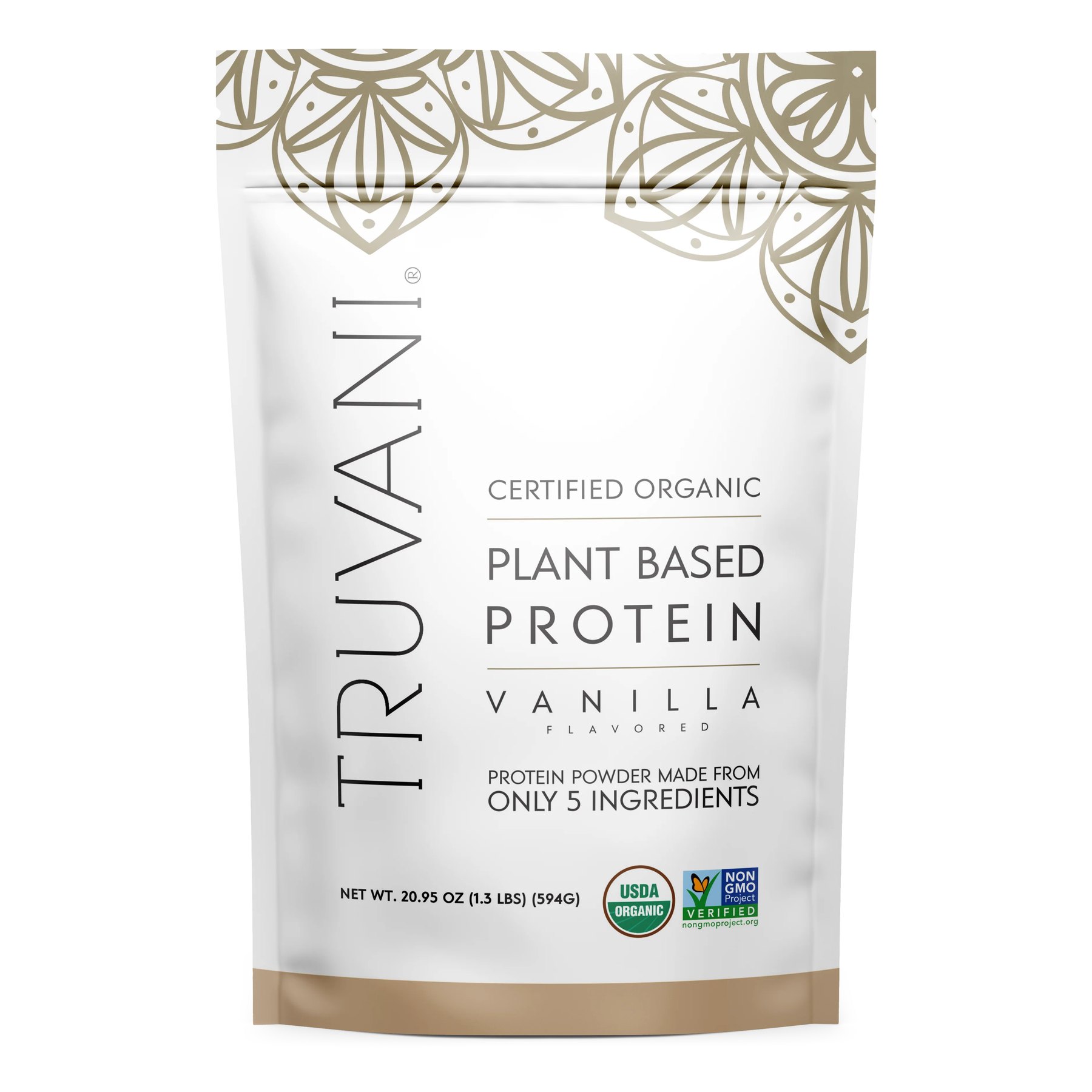
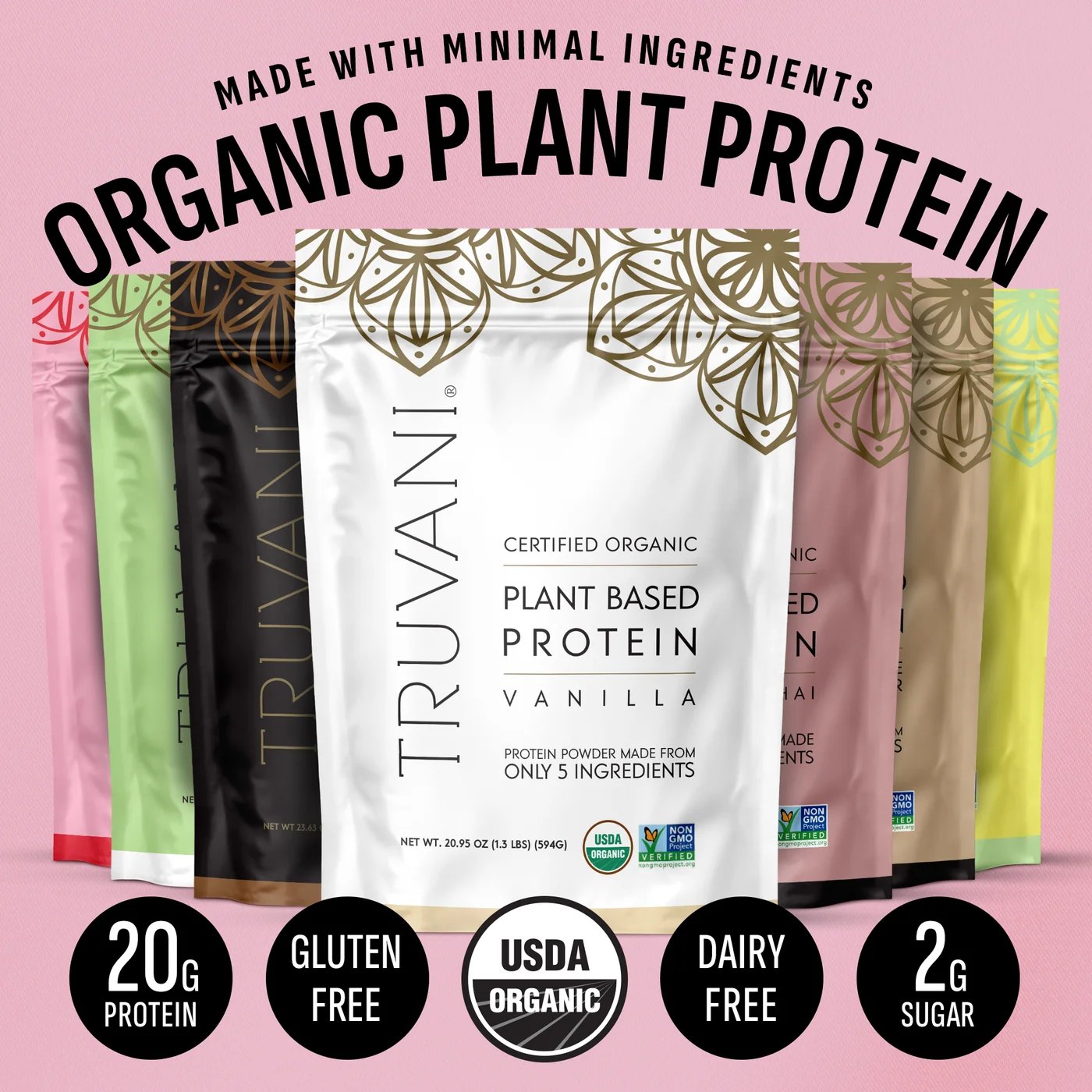
The brief provided no store table with exact names, sizes and prices, so the desk features two label positions rather than two SKUs. The first is the protein powder line as described on truvani.com, presented as real food ingredients without added chemicals. Read serving size, protein content and the full other ingredients line, and keep the lot number until the container is finished.
The second is the broader pantry approach stated on the about page, products without toxins and labels without lies, now in thousands of stores nationwide. Compare Supplement Facts, other ingredients, organic certifier and contact details across lots. The expensive version is worth it when the documents behind the label can be named and shown.

Kristen Decker
Kristen produces the interviews at Seed to Capsule: the research, the supplier maps, the follow-up calls. She asks for the name of the farm early in every conversation, and writes it down before the founder can change the subject.
More from Kristen Decker →