A salty drink mix with no sugar sounds simple until you ask where the salt comes from, how much is in the stick, and who checks it. Robb Wolf started LMNT after years on low carb whole food eating left him flat. What follows is the chain from home mixing to finished box.
Morning light in the kitchen, a scale, a bag of sodium, a glass of water that turns cloudy then clear. That is where LMNT still starts in Robb Wolf telling. He had been eating low carb whole food for years and felt something was holding him back. His coaches pointed to sodium. He began mixing his own drink because store options struck him as too high in sugar and low in electrolytes.
What began as messy home mixing became a company co-founded with Tyler Cartwright and Luis Villaseñor. The promise stayed narrow. Lots of salt, zero sugar, no colors and no fillers, built for people who sweat and for people following low carb, keto, fasting or whole food ways of eating. The brand tag is More Salt, Not Less. The sign off is Stay Salty.
Seed to Capsule follows that stick backwards. A drink mix has no farm in the usual sense. It has mineral sources, flavor suppliers, a blending and packing line, a lot and a batch record, and a label that states Supplement Facts. Wolf can name the problem and the standard. The harder questions are about proof. What is in each lot, who tests it, and what remains opaque.
You describe home mixing as messy and time consuming after your coaches named sodium as the missing link. What did that kitchen version look like, and when did you know it had to leave the kitchen?
I would say I had been on a low carb, whole food diet for years, but something was holding me back. That is the honest line. My coaches helped me with this critical missing link. Turns out, I needed to pay as much attention to my electrolytes as I did my food. I needed more salt. Period.
At home I was weighing and stirring and tasting and spilling. It was messy and time consuming and it never mixed quite right. It clumped. It settled. It tasted harsh one day and flat the next. When I dialed in the formulation I immediately felt my fitness, sleep, and brain functioning on new levels. That got my attention. We co-founded this company to fill a void in the hydration space. We needed an electrolyte drink that actually met the sodium needs of active people, low carb, keto, and carnivore adherence without any of the sugar, colors, and fillers found in popular commercial products.
Your line is that popular drinks are too high in sugar and woefully lacking in actual electrolytes. What amounts were you looking for, and why did zero sugar become a fixed rule rather than a flavor choice?
They are too high in sugar and woefully lacking in actual electrolytes. That was the gap I saw on the shelf. I wanted something I could use while fasting or eating low carb whole food without the sugar load. So we set a standard early. Lots of salt and zero sugar. Plain electrolytes without colors and fillers.
Hydration is water and electrolytes. That is how I define it. Electrolytes drive every biological function, so they are important conception to death. If the dose is too low, you are just drinking flavored water. I would rather use lots of salt than a little salt. I would rather use zero sugar than sugar. For me, health is a process. Put health in your hands. That meant a mix with everything you need and nothing you do not, a mix suited to training days and to quiet desk days when food stays simple.
You link your interest in ancestral eating to a life threatening case of ulcerative colitis. How does that history shape the way you read labels now?
I got into ancestral eating to deal with a life threatening case of ulcerative colitis. When you have been that sick, you read everything. You learn to ask what is in the product and what is left out. You learn that small inputs add up across a day.
That is why our refuses matter to me. No sugar. No colors and fillers. No low dose electrolytes. It is not about being strict for its own sake. It is about knowing what you are getting in each serving and why it is there. I keep my shelf small. I want a few things I trust and I use them for years. I want the Other Ingredients line to be short and plain. If I cannot explain why an ingredient is there, I do not want it in my house or in our box.
More Salt, Not Less reads as a slogan, but it is also a formula choice. Walk us from raw materials to finished stick. Where does the sodium come from, where is it blended, and what does a lot record show?
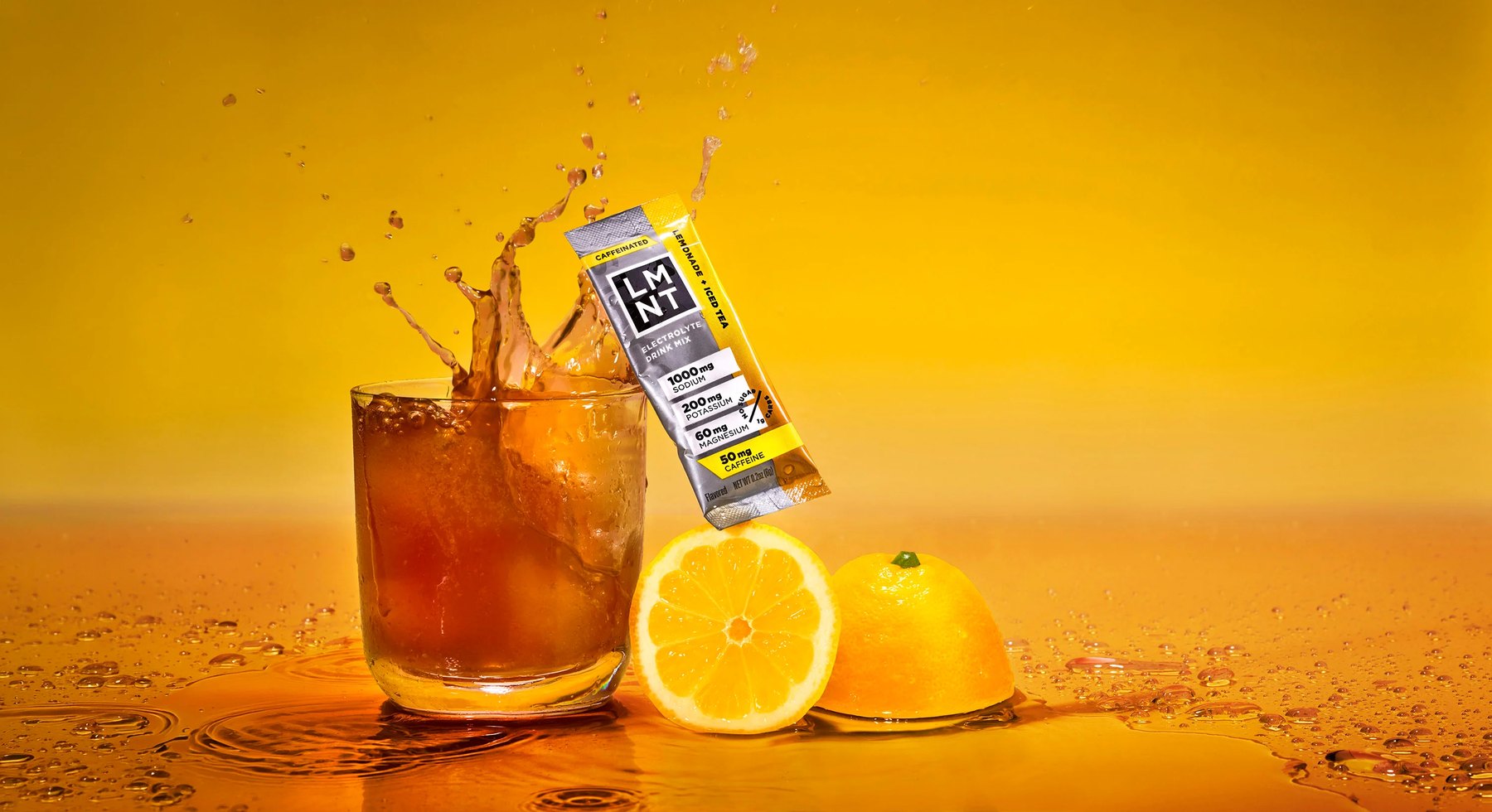
More Salt, Not Less is the formula. We start with sodium chloride plus potassium and magnesium salts, then flavor, then a zero sugar sweetener system. Those minerals come from mined or evaporated sources, not from a field you can visit with a harvest date. The flavor side is different. For our Lemonade Iced Tea we mention organic black tea harvested from century old farms in Kenya. That is a farm input with a place behind it.
Blending and packing happen with contract partners. Drink mix sticks and sparkling cans are made to deliver high sodium without sugar. Each run should have a lot number, a fill weight check, a seal check and a certificate of analysis from the supplier and from finished testing. If you pay as much attention to electrolytes as to food, you have to pay as much attention to paperwork as to taste. The lot record is where that shows, line by line and pallet by pallet.
In 2024 you sat for a live stream about maltodextrin in LMNT. For a buyer who reads the Other Ingredients line, what was the issue and what did you change or clarify?
That stream was about trust. Someone flagged maltodextrin and asked why it was anywhere near a zero sugar product. I understand the question because I ask it myself. If we say zero sugar and no fillers, people want the label to match the words.
Here is how I see it. Zero sugar on the label has a regulatory meaning tied to sugars, not to every carbohydrate carrier used in flavors in tiny amounts. But buyers do not live in regulations. They live in kitchens. They read the line and they want it plain. So we talked through where carriers can show up in flavor systems, why amounts matter, and what we were doing to keep the formula clean in the plain sense of short and explainable. Stay Salty only works if people believe the packet in their hand.
Turns out, I needed to pay as much attention to my electrolytes as I did my food.
Robb Wolf
LMNT cites a JAMA 2011 study on sodium and potassium excretion and cardiovascular risk on its home page. What does that paper show, and what do you tell customers not to take from it?
I am not your doctor and a home page is not a consult. We cite that paper because sodium guidance deserves debate and data. The study looked at urinary sodium and potassium excretion and cardiovascular risk in a large sample. It is part of why we question low salt for everyone and say more salt, not less, for active people and low carb eaters who lose more sodium.
What I tell people is to read carefully. A population study on excretion is not a prescription for your next glass. It does not set your dose. It does not replace blood work or a clinician who knows your history. Our job is to state what the label shows and what our standard is. Your job is to put health in your hands, which for me means track what you eat, track how you sweat, and talk with someone qualified before you change much.
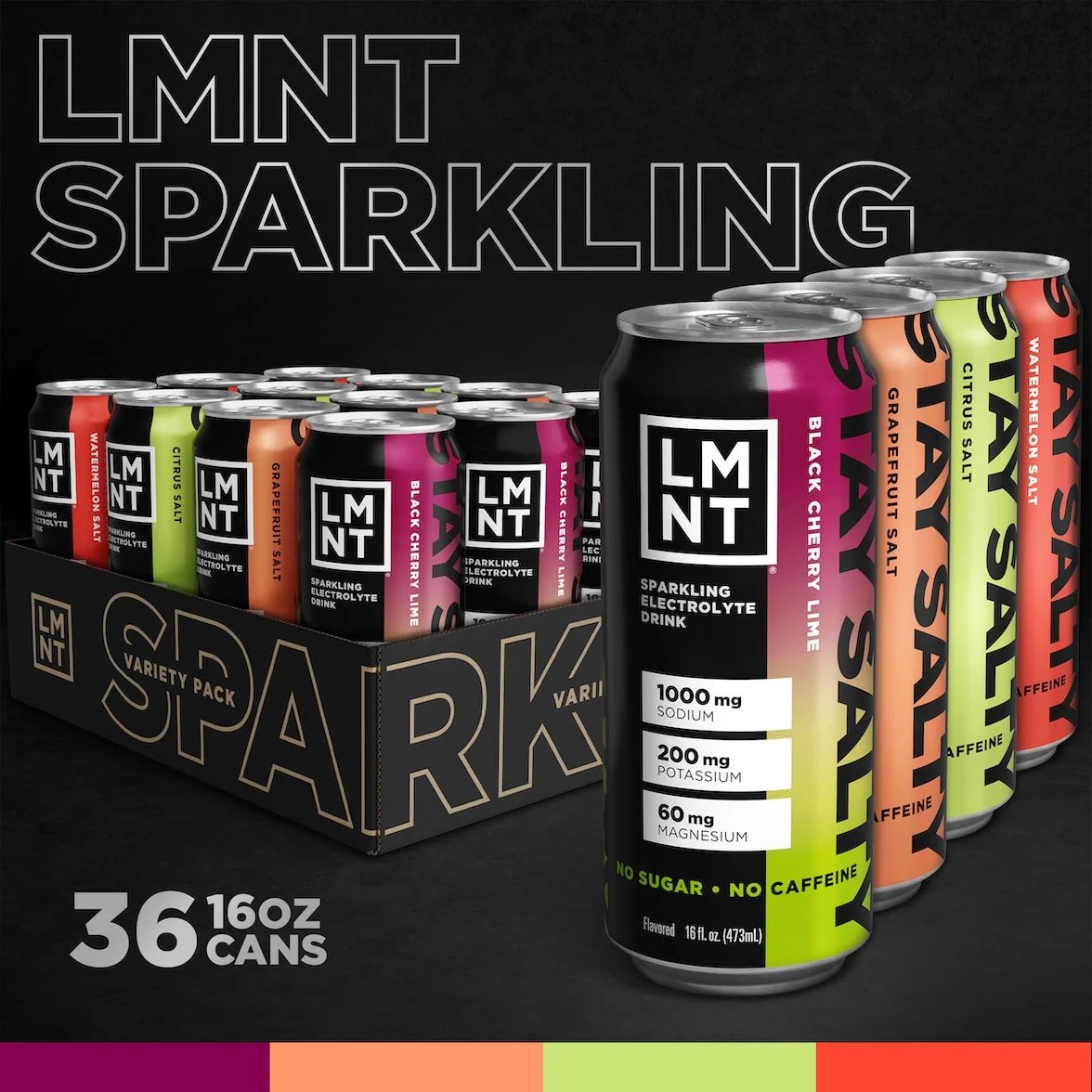
Sparkling 16oz cans sold in cases of 3 x 12 packs extend the same idea beyond sticks. What changes in sourcing and testing when you move from powder to carbonated cans?
A stick is a dry blend. A can is water plus minerals plus flavor plus carbonation, sealed under pressure. The water source matters more. Dissolved solids in the water can shift taste and stability. Carbonation changes mouthfeel, so salt perception changes too. You have to re balance flavor without adding sugar.
On the plant floor, the checks change. Fill volume, seam integrity, carbonation level, microbial checks for a wet product, and stability over shelf life. Encapsulation becomes canning. Fill weight becomes fill volume. The certificate of analysis still matters, but now it covers water quality and finished cans as well as incoming salts. That is why we say tasty matters. If it is too salty to drink, people will not drink it. If it is easy to drink, they will stay with it.
Traceability is the core of this magazine. Which steps can you name today, grower to lab, and which steps are still opaque. What would it take to show them?
I can name the standard and the customer. I can name the refusals. I can point to the Kenya tea source for one flavor because that supplier story names century old farms. I can point to lot numbers and supplier paperwork and finished testing as the proof behind each box. That is what traceable means to me. Name the grower where there is a grower. Show the paperwork where there is no field.
What is still opaque. Mineral mines change. Flavor houses blend from more than one origin. Contract lines run more than one brand. To show more, we would need origin statements for each salt lot, extract ratios or standardisation where botanicals are used, the lab name and method behind each test, and limits for heavy metals in plain numbers. That takes time and money. It also takes suppliers willing to be named. I would rather say this lot is still paper only than use words like pure or natural without a document behind them.
Closing note from the desk
What stays after this conversation is a founder who keeps the language salty and the standard narrow. Wolf returns to the same lines because they set limits. Lots of salt. Zero sugar. No colors. No fillers. No low doses. Those limits are easy to print and hard to hold across flavor houses, mineral lots and two very different pack formats.
LMNT set out to restore health through hydration, in its own words. Read plainly, it set out to sell a high sodium drink without sugar for people who sweat and for people who eat low carb. Some links trace to a named farm in Kenya. Most trace to paperwork held by suppliers and packers. The next step toward proof is to publish it lot by lot, so a careful buyer can see the source, the test and the limit.
Product spotlight
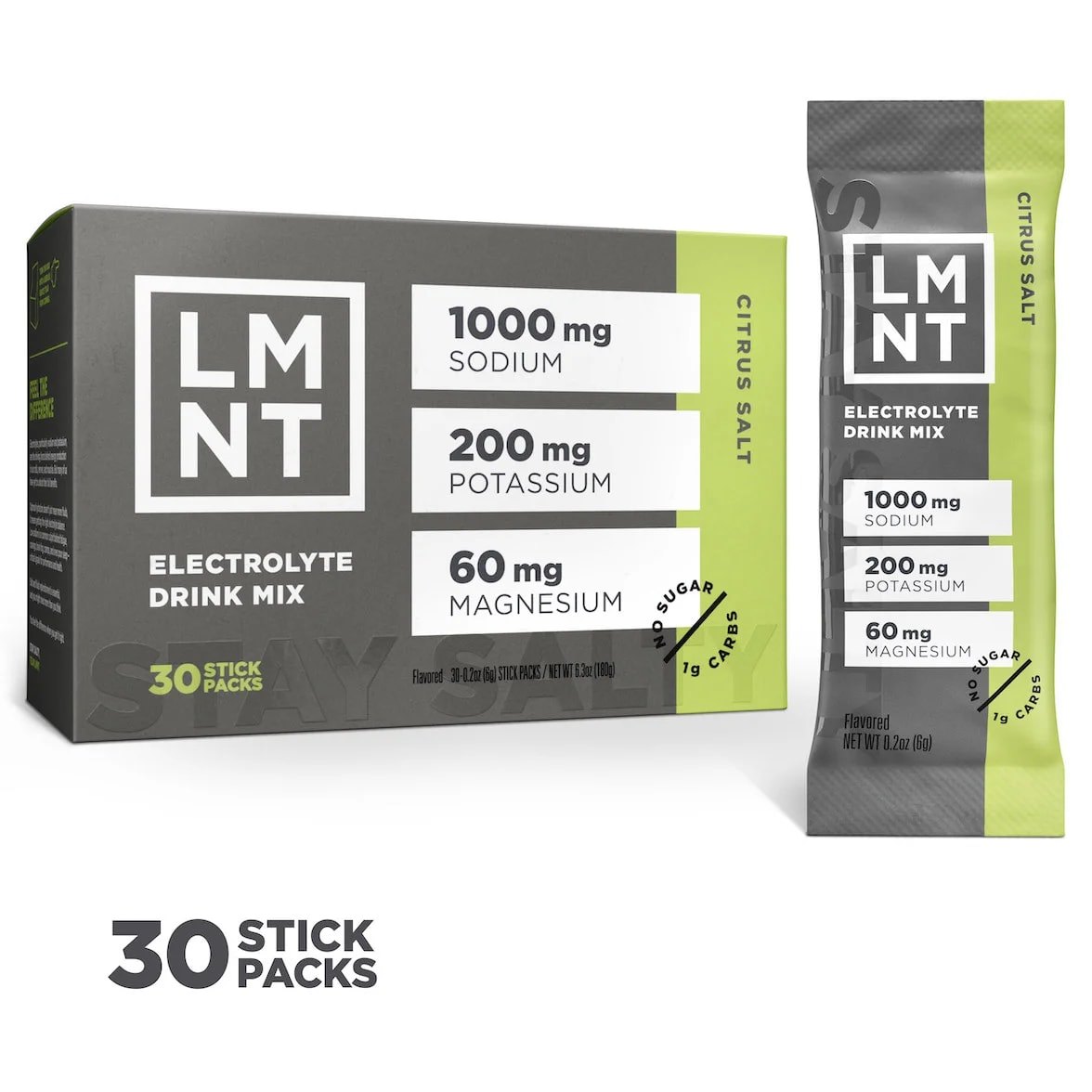
LMNT Zero-Sugar Electrolytes, 45 dollars. A tasty electrolyte drink mix with everything you need and nothing you do not, built around lots of salt and zero sugar. Mix one stick with 16 to 32 ounces of water to taste. Use around training, sweat loss or fasting windows as stated on the label.
LMNT Sparkling 16oz, 90 dollars. More Salt, Not Less now sparkling, sold in cases of 3 x 12 packs of cans. A ready to drink version of the salty hydration line for buyers who prefer cans to sticks. Serve chilled and check the facts panel for sodium per can and serving size.

Kristen Decker
Kristen produces the interviews at Seed to Capsule: the research, the supplier maps, the follow-up calls. She asks for the name of the farm early in every conversation, and writes it down before the founder can change the subject.
More from Kristen Decker →