Every capsule, traced back to the field. In this case the field is a Finnish forest, and the capsule is a cup of coffee with mushroom extract. We ask what is in it, where it grew, and what the label proves.
100 million cups is the number Four Sigmatic cites after ten years, a measure of how far a foraging childhood in Finland traveled to reach American mornings.
100 million cups is a large number for an idea that started with a child picking mushrooms in Finland. That is the figure Four Sigmatic shared when it marked ten years in 2022.
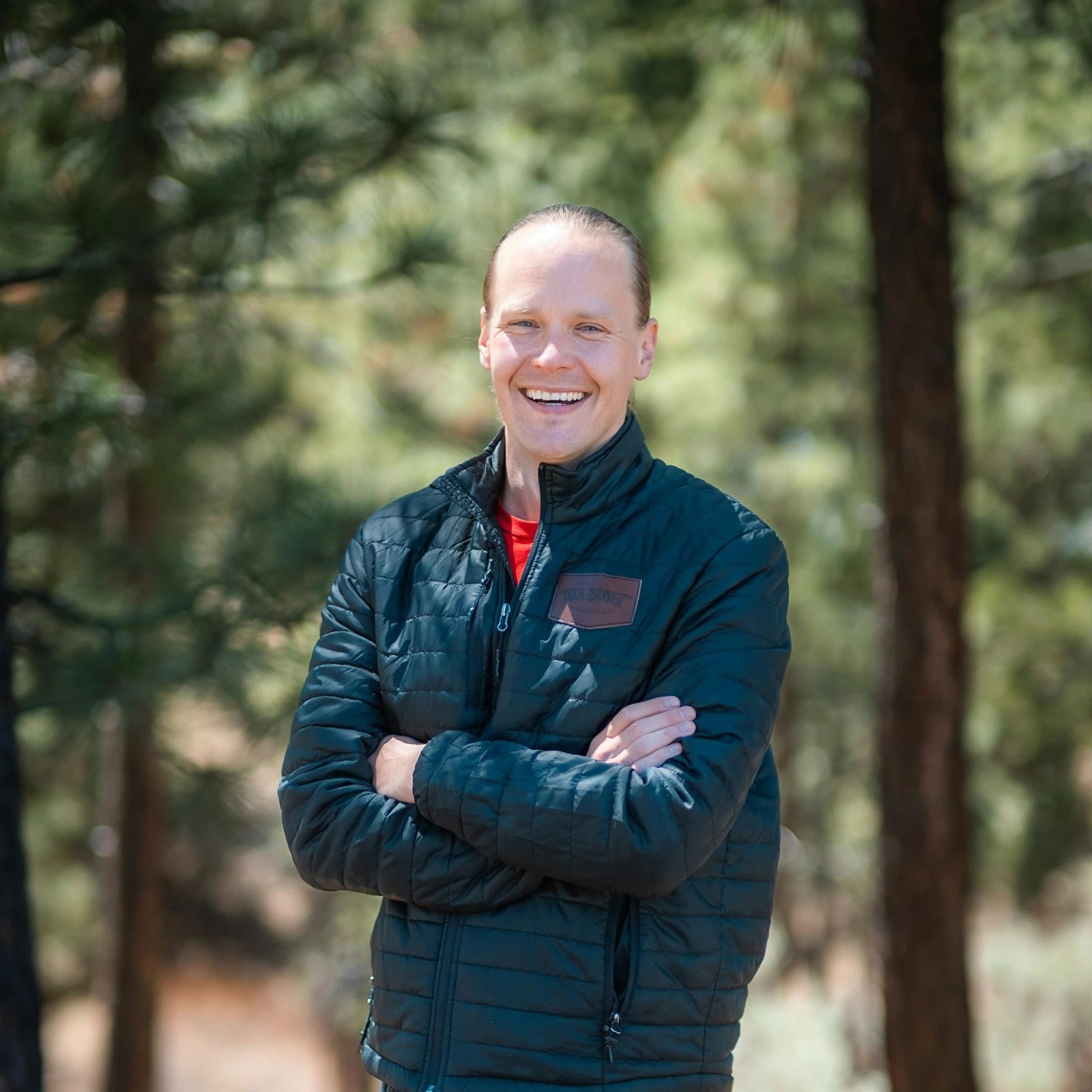
Tero Isokauppila grew up on a family farm that has been in his family for 13 generations. His father was an agronomist who worked in soil and crop management. His mother taught physiology and anatomy to nurses. At home and in the forest, the family foraged for wild mushrooms and medicinal plants. His grandparents, when coffee beans were scarce, brewed chaga in place of coffee.
What the brand is now is easy to see on a grocery shelf. Ground coffee, instant coffee, lattes, cocoa and creamers that include extracts of lion’s mane, chaga, reishi, cordyceps and turkey tail. What we noticed that others miss is the choice of carrier. Isokauppila did not start with capsules or tinctures. He put extracts into drinks people already make each day. That decision explains the sourcing, the testing and the label that follow.
Tero, you grew up on a family farm in Finland that has been around for 13 generations. What did that place teach you about where ingredients come from?
I grew up in Finland on a family farm that has been around for 13 generations. My father was an agronomist, an expert in the science of soil and crop management. My mother taught physiology and anatomy for nurses, so at our table we talked about land and bodies in the same conversation.
Growing up, we spent a lot of time in nature, foraging for wild mushrooms and medicinal plants as we learned more about how our bodies work. Finland is a place where you live with grit and live in nature. You learn the season for each species. You learn which birch stand gives chaga and which slope gives rhodiola. You carry it home, dry it, store it. That was normal life before it was a business.
Your grandparents brewed chaga when coffee beans were hard to find. How did you first understand that brew, and what did it taste like at the time?
When my Finnish grandparents did not have access to coffee beans, they turned to chaga as a substitute for an immune supporting brew. In Finland that kind of substitution was practical, not romantic. You used what the forest gave you.
I studied chemistry and nutrition myself, which led me to coaching professional athletes and other high performers in nutrition at an early age. During that coaching work I became fascinated with functional mushrooms and adaptogens for performance, including chaga and rhodiola from Finnish forests plus others I discovered abroad. What stayed with me from childhood was the form. A hot, dark, bitter brew in a cup. Years later, when I thought about how people might actually take mushrooms regularly, I kept returning to that cup.
You studied chemistry and business and completed a certificate in plant based nutrition at Cornell, then coached athletes. When did drinks replace pills in your thinking?
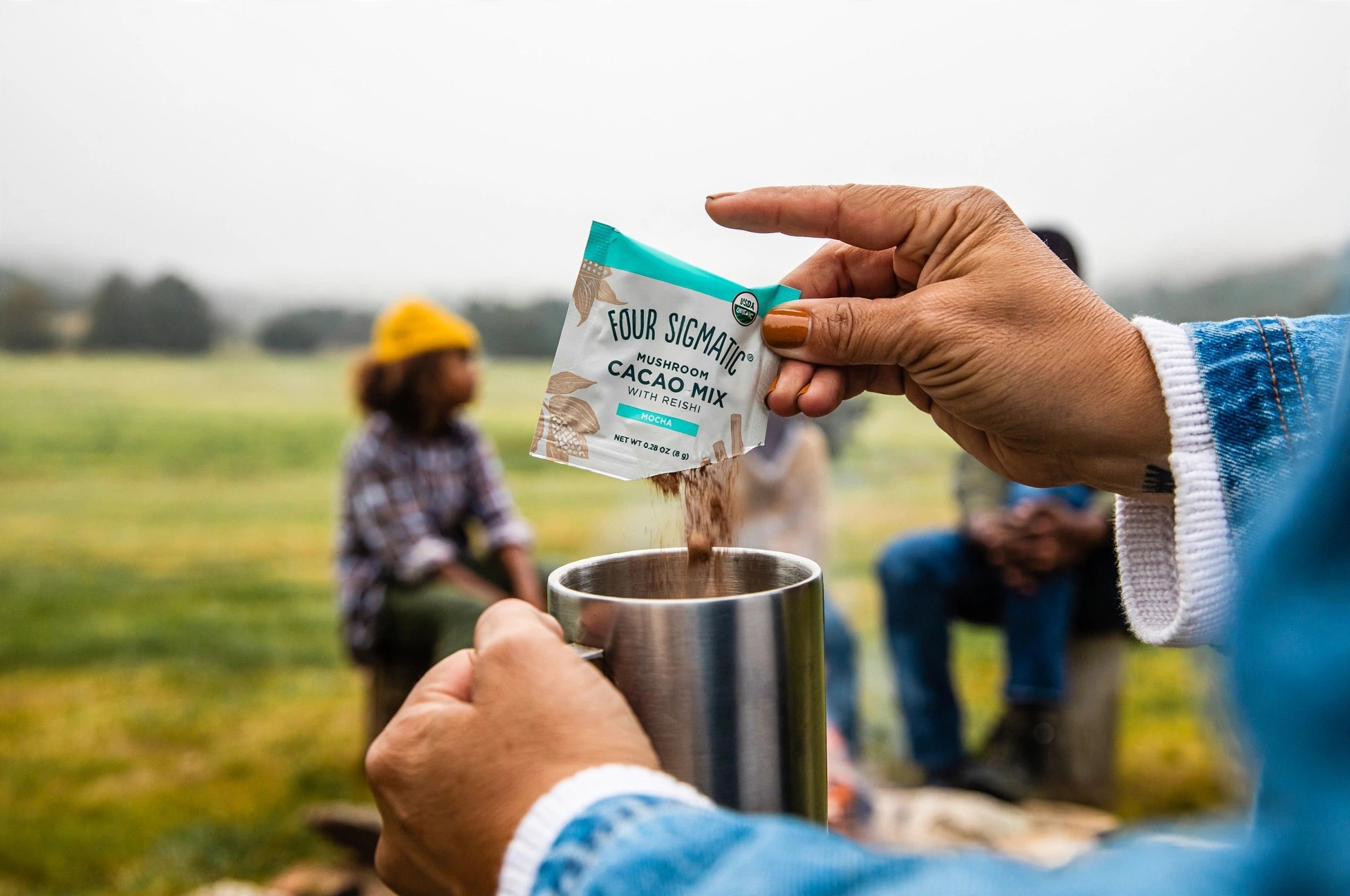
I knew that more people could enjoy the mood, energy, and cognitive benefits if they were delicious and easy to make. That sentence guided the whole company. Athletes I coached did not want another pill box. They wanted a morning routine they would keep.
When I started Four Sigmatic, I thought I had started a mushroom superfood company. That was my language at the time. Over time I learned we are actually helping our consumers with their daily challenges and mental wellness. So the question changed from which mushroom to which moment in the day. Coffee in the morning. Cocoa in the evening. Latte in the afternoon. So with a few Finnish fun-guys, we turned functional mushrooms into drinks people consume daily, like coffee.
In 2012 you founded Four Sigmatic in the United States with a small Finnish team. What did the first production runs look like, lot by lot?
In 2012, I founded Four Sigmatic with the dream of bringing Everyday Magic to lives. We started small. Instant coffee with mushroom extract, packed in single serve sachets. One lot of coffee, one lot of extract, blended and packed to a set fill weight per sachet.
First, we had to convince myco phobic Americans that mushrooms are good for you, will not get you high, and will not make your coffee taste like mud. That was our daily work. We used no psychedelic or high inducing mushrooms. Only culinary and functional species already used in foods. We kept the formula simple so the coffee still tasted like coffee. Of course, finding funding as new immigrants with no credit scores was another major challenge. We had knowledge of growers and extracts, but no local financial history. Every purchase order mattered.
Your promise is nutrient dense mushrooms made delicious and easy in daily drinks. How do you choose which species goes into which drink?
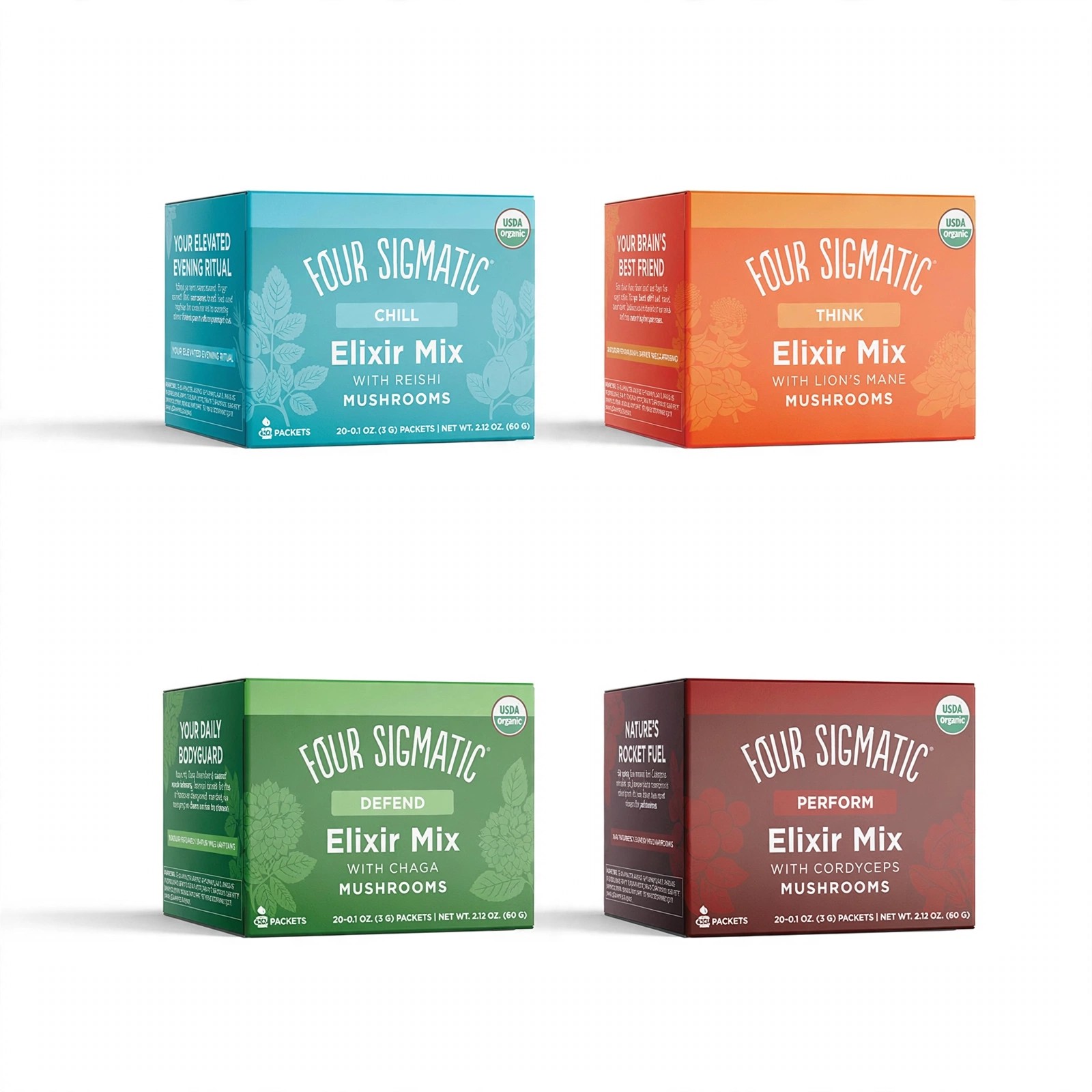
We map species to times of day, and the label states that use. Lion’s mane is used in our coffee products for focus. Chaga is used for immune support and focus. Reishi is used for calm. Cordyceps is used for energy. That is how the range reads.
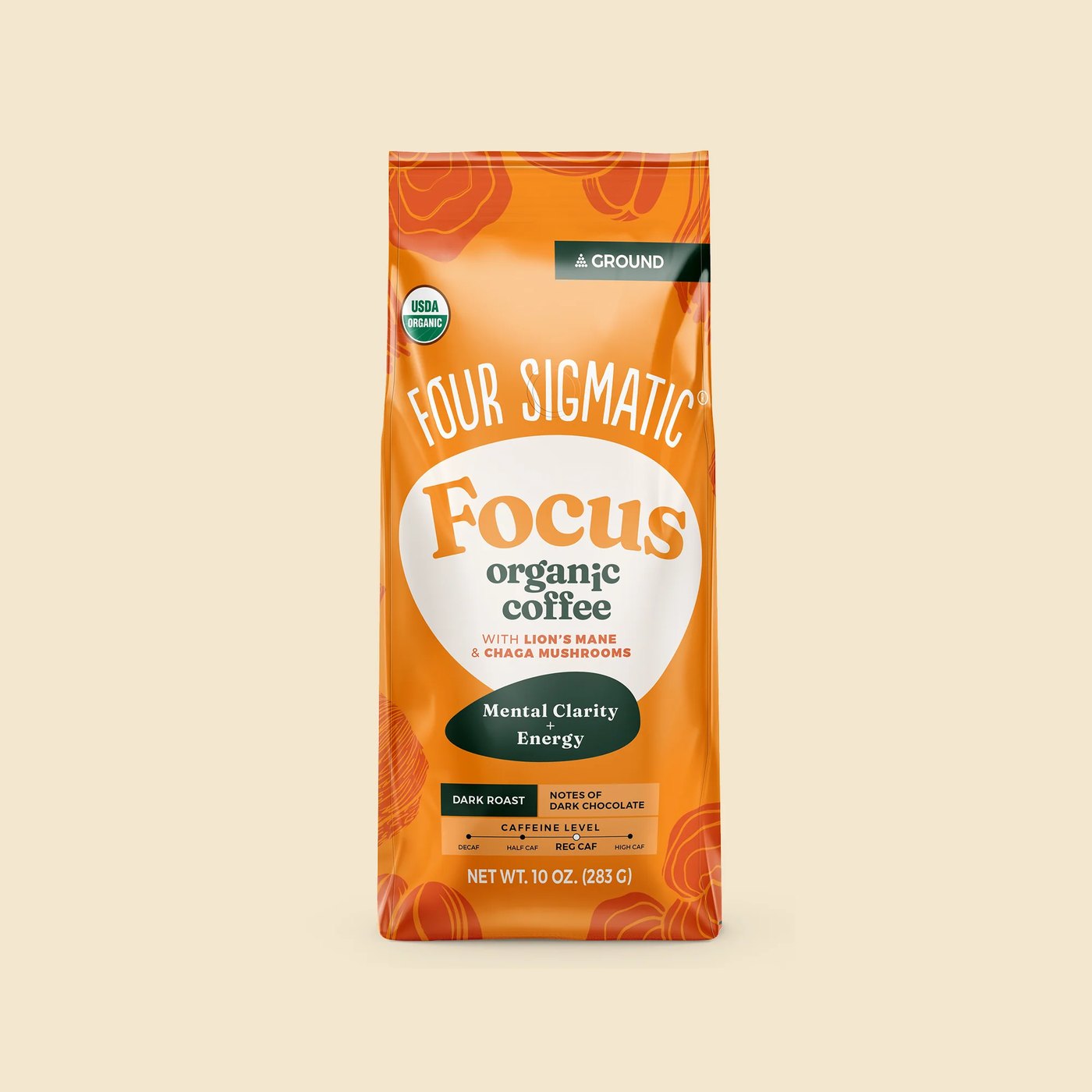
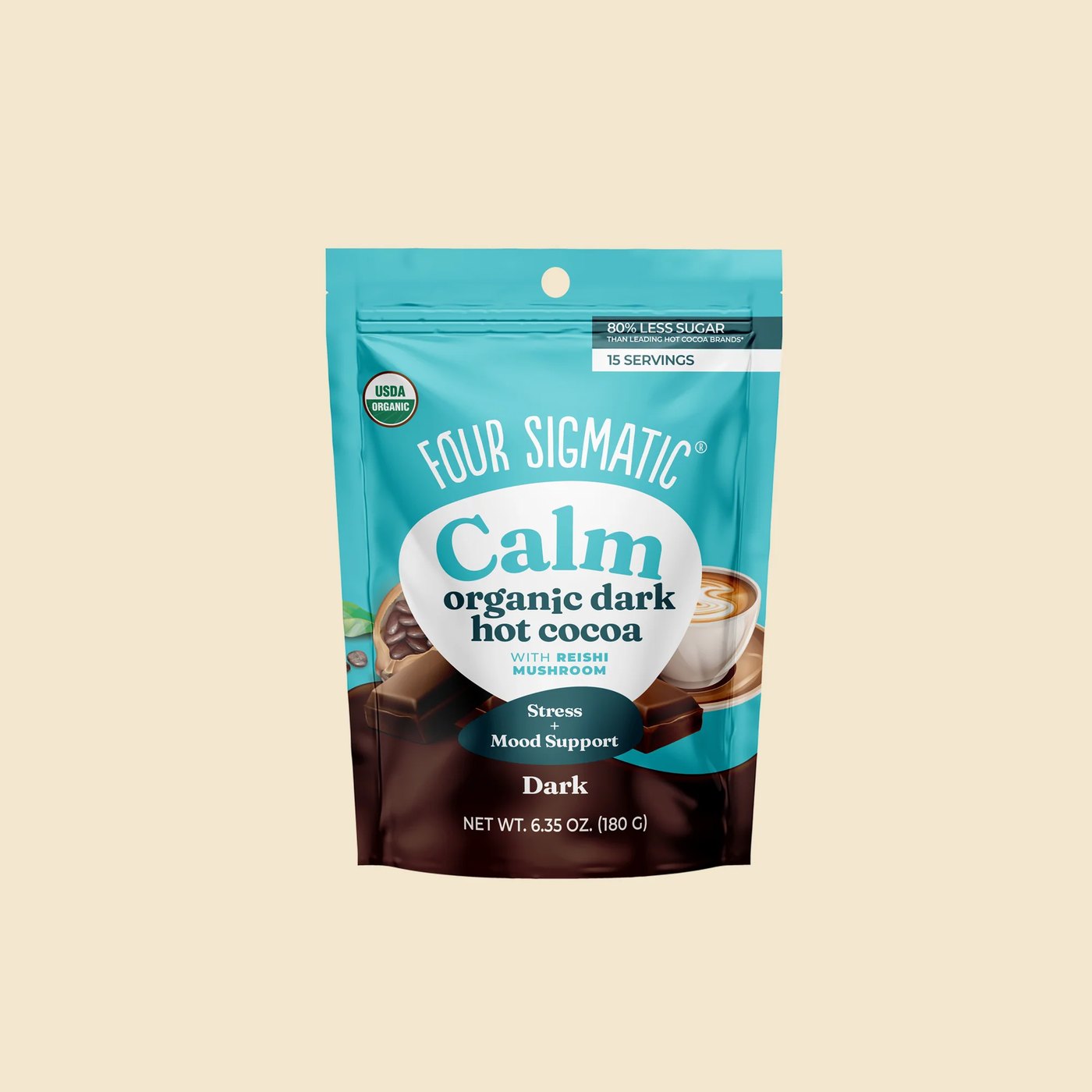
Focus Ground Coffee, our dark roast, is organic ground coffee with lion’s mane and chaga extracts. You brew it as ground coffee to get work done. Original Mushroom Coffee is organic Arabica instant coffee with mushrooms, reformulated over time for taste. Calm Dark Hot Cocoa is unrefined cacao plus reishi. You stir it into hot water or milk as hot cocoa. We refuse synthetics, fillers, or harmful chemicals in these blends. In practice that means the ingredient list stays short, and the flavor has to come from coffee, cacao, coconut milk, spices or similar foods.
So with a few Finnish fun-guys, we turned functional mushrooms into drinks people consume daily, like coffee.
Tero Isokauppila
The brief says you research and lab test ingredients. For a careful buyer reading the panel, what tests run on a typical lot and who runs them?
We research and lab test ingredients, and we make products without fillers or artificial flavors. For each incoming lot of extract, identity is checked to confirm species. Then moisture, heavy metals and microbes are tested against set limits. A certificate of analysis records the result for that lot number. Third party lab means a lab separate from the supplier confirms the result.
What I want buyers to know is what paperwork proves and what it does not prove. A certificate proves that a sample from a lot met the tested limits on the day it was tested. It does not tell you the name of the forest or the grower unless the lot file links back to harvest or cultivation records. We keep lot files so a finished bag or box can be traced to its input lots. Some steps in the chain are easier to document than others, especially when raw material passes through dryers, mills and extractors before it reaches us.
From instant sachets to ground coffee that leads on Amazon and sits in Walmart, Whole Foods, Target, GNC, Albertsons and Vitamin Shoppe. What changed in sourcing when volumes grew?
Scale changed the paperwork more than the recipe. A small run can use one dryer lot from one area. A large run needs several input lots to fill the batch, each with its own certificate, blended to the same specification. Encapsulation here is not a capsule shell. It is the sachet or bag fill, the fill weight per serving, and the seal that keeps moisture out.
By 2024 our flagship mushroom coffee was leading ground coffee on Amazon, and sold at Walmart, Whole Foods, Target, GNC, Albertsons and Vitamin Shoppe. Retailers each ask for their own documents, from facility registrations to allergen statements. A coconut milk creamer and a cacao cocoa need allergen control at the packing line, even when the mushroom extract itself contains no milk. That is why lot segregation and line clearance records matter as much as the extract ratio. The drink in the hand looks simple. The file behind it is thick.
You say you would rather serve consumers than chase celebrity endorsements, and that you plant trees rather than only offset emissions. How does that show up in the supply record?
To me, a heartfelt consumer review means more than a celebrity endorsement. We built on repeat buyers, not famous faces. That puts pressure on consistency. If lot 40 tastes different from lot 39, we hear about it quickly.
On land, we state that we plant over 40,000 trees to offset CO2 rather than just offsetting emissions. Planting is recorded by site, date and number of seedlings, with survival checks after planting. It is separate from the ingredient chain, but it reflects the same belief. I would rather build a totally sustainable business than exploit people or planet. The farm where I grew up taught that soil is a long record. You do not borrow from it without noting what you return.
If a buyer wants to trace one bag back to the field today, what can they see and what remains opaque?
What they can see is the label. It shows coffee or cacao, the named mushroom extracts, and other ingredients in order of weight. It shows serving size, servings per container, and where the product was packed. If they write to us with the lot code on the bag, we can pull the blending and packing record for that batch and the certificates for its input lots.
What remains opaque is the first mile in full detail. Dried chaga from wild harvest may combine pieces from several collectors before extraction. Cultivated lion’s mane and reishi may come from indoor growers who harvest on different days. Extractors mill and blend for uniformity, which improves consistency but blurs the single farm story. To show a named grower for every serving would take farm level segregation from harvest through drying, extraction and blending, with audits at each handoff. That is possible. It costs more and needs buyers who read those papers. Prioritize your own health. If you are not well, your company will not be well. I say that to founders, and I say it to buyers about record keeping. Start with the document you can check today.
Closing note from the desk
What stays with us after this conversation is the steadiness of the carrier. Coffee and cocoa do not need to be explained. They carry measured amounts of extract into a routine that already exists, with a short label and a lot code that can be pulled.
Four Sigmatic set out to bring what Isokauppila calls Everyday Magic to lives, which in plain terms means mushrooms in daily drinks without synthetics or fillers, tested lot by lot. The trace back to the field is partial, as the piece shows. The file is stronger at the blending and packing end than at the harvest edge, and the brand states that plainly by pointing to labels and certificates rather than farm names.
Product spotlight
Focus Ground Coffee is organic dark roast ground coffee with lion’s mane and chaga extracts, priced at 20 dollars for a 1 pack. It is a morning brew for buyers who want their mushroom extract in coffee rather than in capsules. Brew as ground coffee by your usual method and keep the bag sealed and dry to protect aroma.
Calm Dark Hot Cocoa is unrefined cacao with reishi mushroom, priced at 20 dollars for a 1 pack, with 2 pack at 40 dollars and 4 pack at 80 dollars. It is an evening style cocoa for buyers who prefer a milk or water based drink. Stir into hot water or milk until dissolved and serve warm.

Dana Kessler
Dana runs the news desk and the sourcing guides at Seed to Capsule. She files every certificate of analysis a brand sends her by lot number, and keeps a second list of the ones that never arrived.
More from Dana Kessler →