- An AutyFIT Editorial review dated 21 August 2026 re-examined bakuchiol beside retinol.
- The 2019 trial tested 0.5% bakuchiol used twice daily against 0.5% retinol used once daily across 12 weeks in 44 people.
- Wrinkle surface area and hyperpigmentation fell in both arms, while scaling and stinging were reported more often with retinol.
AutyFIT Editorial published an evidence review on 21 August 2026 that revisited bakuchiol alongside retinol. The review put the 2019 12 week head to head trial at the center and pressed for clearer statements on cartons and shelves.
For a buyer who finds nightly retinol too rough, the practical shift is modest and concrete. The most closely studied pairing showed similar change in photoageing signs with easier tolerance for bakuchiol. That finding applies to a single tested routine. It does not turn each bakuchiol serum into a retinol match.
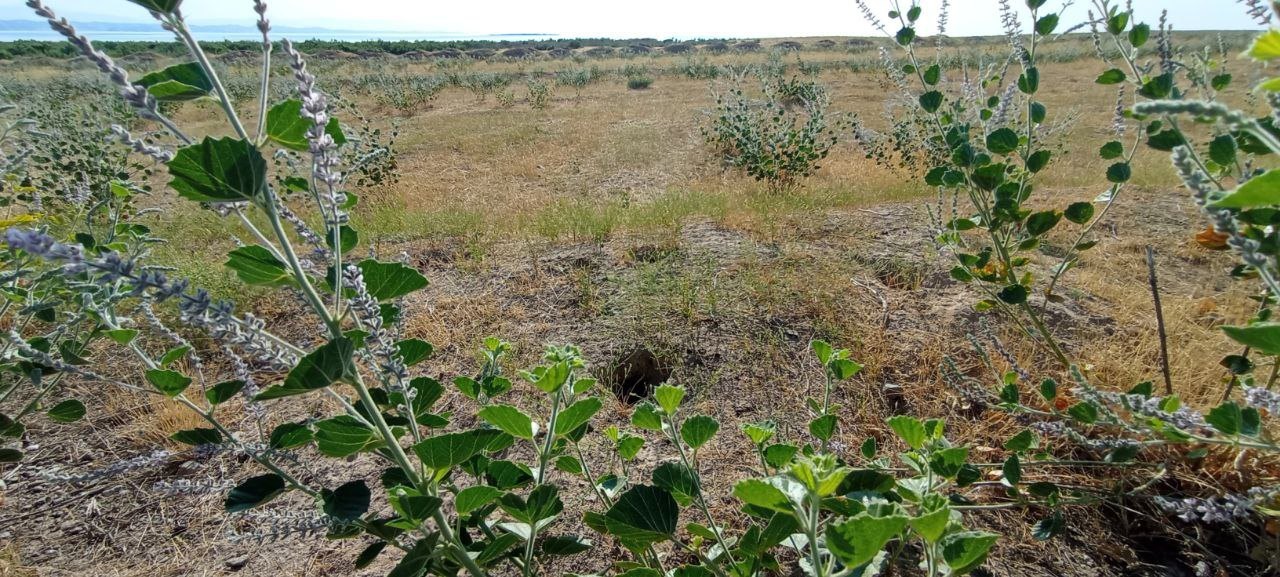
Our trail begins with the source plant itself. Bakuchiol is a meroterpene phenol from seeds and leaves of Psoralea corylifolia, also called Cullen corylifolium. A seed oil, a dilute extract and high purity bakuchiol stand as separate inputs. The 2020 Pierre Fabre study reported its bakuchiol input at around 95 percent purity.
The trial itself stayed tight and defined. Its testing was recorded on ClinicalTrials.gov as NCT03112863. It set 0.5 percent bakuchiol twice daily against 0.5 percent retinol once daily for 12 weeks among 44 participants. Both arms recorded significant falls in wrinkle surface area and hyperpigmentation, with no statistical gap between compounds for those endpoints. One summary framed the shift as 20 to 30 percent reductions in fine lines and hyperpigmentation.
Tolerance marked the split between the routines. People assigned to retinol noted more facial scaling and stinging than people assigned to bakuchiol. Chaudhuri and Bojanowski wrote in the British Journal of Dermatology in 2019 that bakuchiol matched retinol for improving photoageing and was tolerated better than retinol
The mechanism supports attention without excess. Retinol changes to retinoic acid in skin and engages retinoid receptors, while bakuchiol does not change to retinoic acid. Gene expression research from 2014 found bakuchiol switched on downstream collagen supporting pathways while holding down MMPs that degrade collagen. Later reviews follow the same trail to the source. A review in the Journal of Integrative Dermatology searched PubMed and EMBASE for bakuchiol and photoaging, kept seven articles from 2014 to 2021, and concluded bakuchiol demonstrated comparable efficacy and better tolerability than retinol when tested side by side. A 2024 comparative study in the Journal of Cosmetic Dermatology reported similar efficacy for photoaging and hyperpigmentation after 12 weeks with fewer reports of redness and scaling
What to track next is origin material and amount. The head to head tested distinct schedules, so it weighed routines rather than potency per gram. Product wording often merges cell, animal and human results into a single studies show statement, which reaches past what cosmetic trials assessed. A 2025 market analysis by Grand View Research projected the global bakuchiol market to grow at a compound annual growth rate of 7.5 percent through 2030, which could bring more formulas with less clarity on origin
For now, view bakuchiol as one kept row for tender routines, not a wholesale swap for each retinoid outcome.

Dana Kessler
Dana runs the news desk and the sourcing guides at Seed to Capsule. She files every certificate of analysis a brand sends her by lot number, and keeps a second list of the ones that never arrived.
More from Dana Kessler →